
Search results
649 results
Search results


‘Perpetua’ will give you two crops of sweet and delicious blueberries! The first fruit will appear in mid-summer, and then the plant will flower and set fruit a second time in the fall. The leaves are dark green and will turn to deep reds and greens in the winter, making it a beautiful addition to any landscape.
Height: 5 feet
Spread: 5 feet
Sunlight:

The Jaqueline Hillier is a dwarf variety of hybrid elm that is very slow growing and densely branched. Fortunately, it is highly resistant to Dutch elm disease. It has dark green foliage which emerges chartreuse in spring. The tiny serrated pointy leaves turn orange in fall. This is a relatively low maintenance shrub, and is best pruned in late winter once the threat of extreme cold has passed. It is adaptable to soil, but plant in full sun.

A truly breathtaking shrub when in bloom, clothed in snowy white flowers in a pinwheel arrangement held atop the branches in spring, as if covered in snow. Attractive horizontal branching and good fall color makes this a fantastic specimen shrub.


Pagoda Dogwood has clusters of fragrant creamy white flowers held atop the branches in late spring. It has emerald green deciduous foliage. The pointy leaves turn an outstanding burgundy in the fall. It produces navy blue berries in mid summer.


American Hazelnut is a native multi-stemmed shrub that earns its place in the landscape many times over — with fuzzy yellow catkins in early spring, lush summer foliage, excellent golden fall color, and a nutritious crop of hazelnuts in autumn that birds and wildlife prize as much as we do. Growing 9–15 feet tall and spreading generously, it naturally forms a dense, mounding thicket that makes an outstanding hedge, screening border, or naturalized planting in sun to partial shade. Fully resistant to deer, rabbits, insects, and disease, it’s one of the most carefree native shrubs available. It tolerates Black Walnut and handles erosion-prone sites with ease. A genuinely rewarding plant that gives back to the garden and to local wildlife every single season.
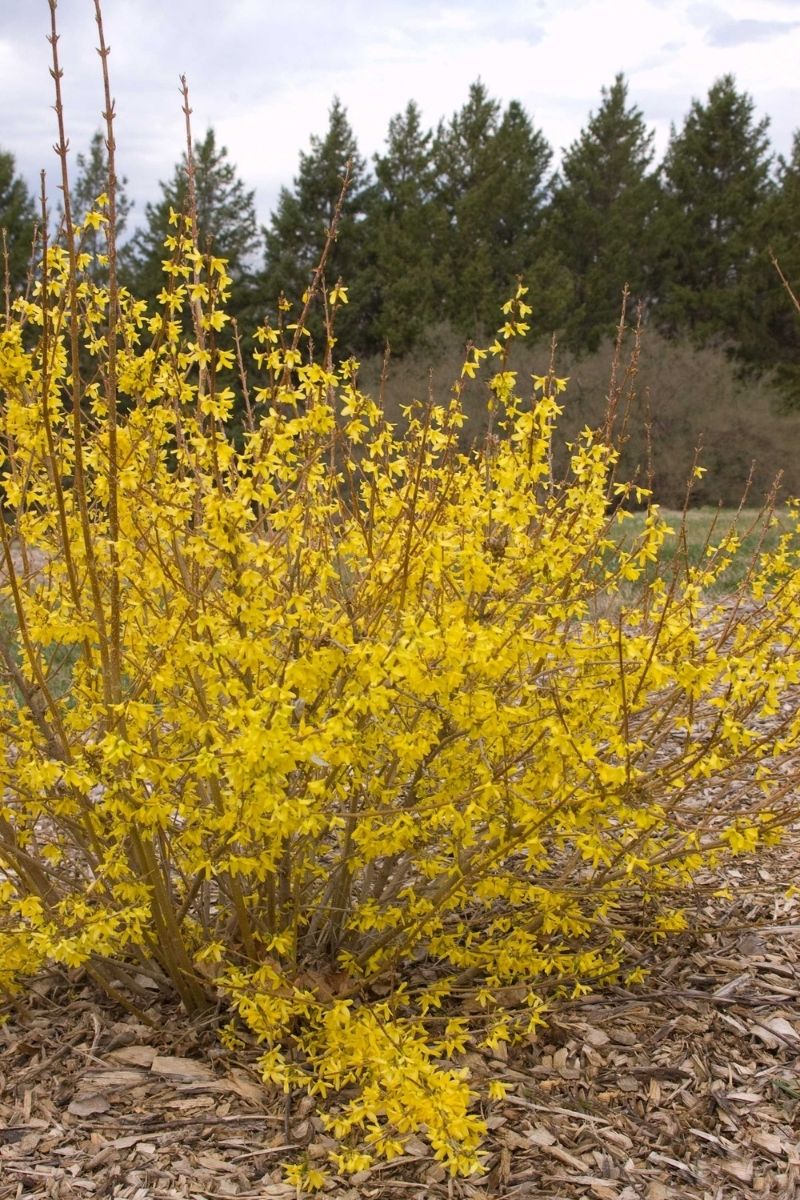
Sunrise Forsythia is one of the first true heralds of spring, bursting into a brilliant display of golden-yellow flowers along arching branches before a single leaf appears. It spreads 8–11 feet with a relaxed, graceful habit, making it a wonderful choice for informal borders, slope plantings, or a cheerful standalone accent in full sun. After the flowers fade, fresh green foliage takes over and carries through the season, wrapping up with yellow-gold tones in fall. It’s remarkably tough — deer, rabbits, insects, and disease all leave it alone — and it handles Black Walnut tolerance without issue. Cold-hardy and low-maintenance, it asks for very little once established. Few shrubs deliver spring color this reliably or with this much cheer.

A smaller version of Quick Fire, featuring large conical flower heads that start white and fade through pink to a rich rose lasting into fall; great for smaller spaces and containers


Diane Witchhazel is blanketed in stunning fragrant antique red strap-like flowers with burgundy calyces along the branches from late winter to early spring before the leaves. It has green deciduous foliage. The serrated round leaves turn an outstanding orange in the fall.

Pinktini Lilac is a refined, upright selection that produces beautifully fragrant panicles of soft pink flowers rising above lush green foliage in spring, bringing one of the season’s most beloved fragrances to a larger landscape form. Growing 15–20 feet with a graceful mounding habit, it makes a stunning specimen, informal screen, or back-of-border anchor in full sun. Butterflies flock to the blooms, and birds shelter in the dense foliage through the growing season. Lush green leaves hold cleanly through summer, providing a handsome neutral backdrop after the flowers fade. Fully resistant to deer, rabbits, insects, and disease, and tolerant of Black Walnut and cold conditions, it’s a dependable, long-lived choice for any garden. A timeless lilac for gardeners who want both fragrance and a strong landscape presence.

A beautiful shrub that blooms all summer, into fall, Maroon Swoon is great for the back of flower beds or patio pots. The plant features showy clusters of dark red trumpet-shaped flowers with creamy white anthers. This ornamental shrub with dark green foliage is a great choice for attracting wildlife including bees, butterflies, and hummingbirds.

A wonderful groundcover or border, this low growing mound of stunning deep pink blossoms is a prolific bloomer throughout the season; highly disease resistant; great for small gardens and planters

Tuxedo Weigela features showy clusters of fragrant creamy white trumpet-shaped flowers along the branches from early summer to early fall. It has dark green foliage with hints of black which emerges burgundy in spring. The serrated pointy leaves do not develop any appreciable fall color. The fruit is not ornamentally significant.
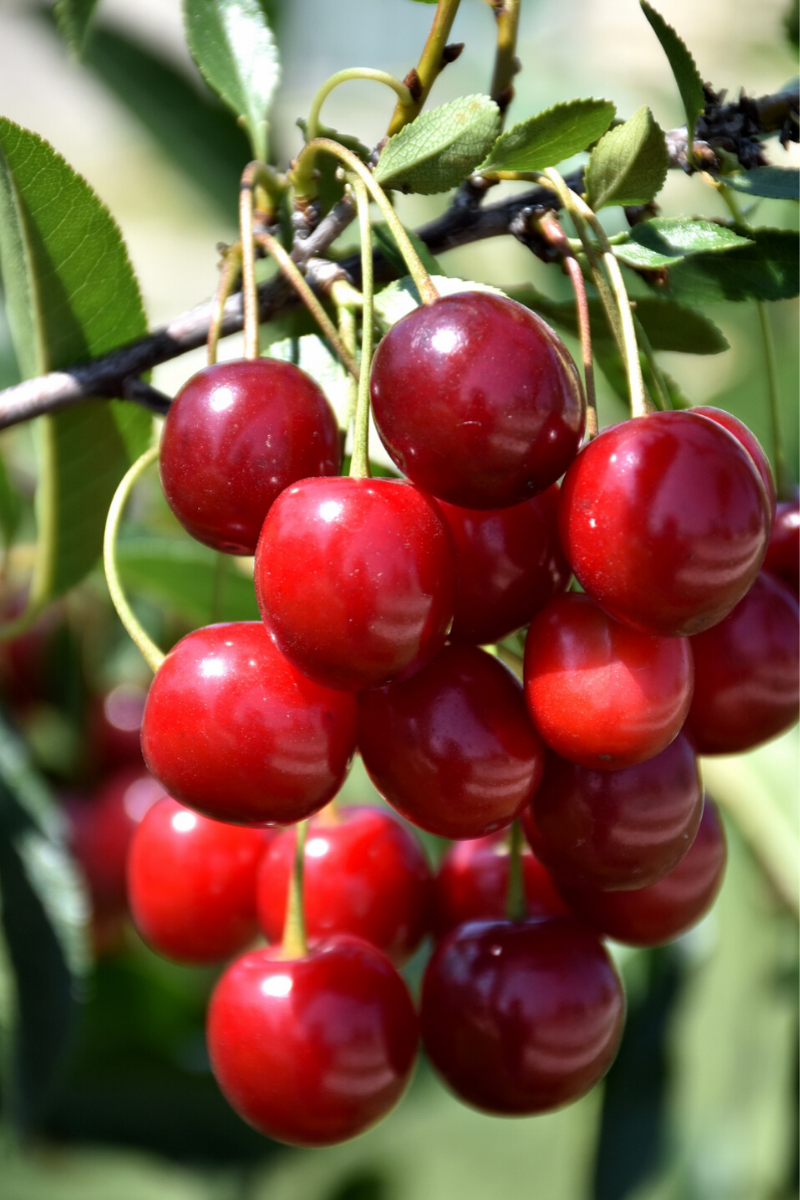
A compact, early bloomer with bright red cherries that are sweet and slightly astringent, fantastic for making jams. jellies, and pies; vigorous and hardy, it is perfect for a home garden or small orchard Sweet Cherry Pieâ„¢ Cherry is a large shrub that is typically grown for its edible qualities. It produces cherry red round fruit (technically 'drupes') which are usually ready for picking from early to mid summer. Note that the fruits have hard inedible pits inside which must be removed before eating or processing. The fruits have a sweet taste and a juicy texture. The fruit are most often used in the following ways: Baking Preserves Sweet Cherry Pieâ„¢ Cherry features showy clusters of fragrant white flowers along the branches in mid spring. It has green foliage throughout the season. The glossy oval leaves turn yellow in fall. The fruits are showy cherry red drupes carried in abundance from early to mid summer. This is a multi-stemmed deciduous shrub with a more or less rounded form. Its average texture blends into the landscape, but can be balanced by one or two finer or coarser trees or shrubs for an effective composition. This is a high maintenance plant that will require regular care and upkeep, and is best pruned in late winter once the threat of extreme cold has passed. It is a good choice for attracting birds to your yard. Gardeners should be aware of the following characteristic(s) that may warrant special consideration; Suckering Disease Aside from its primary use as an edible, Sweet Cherry Pieâ„¢ Cherry is sutiable for the following landscape applications; Accent Hedges/Screening General Garden Use Naturalizing And Woodland Gardens Orchard/Edible Landscaping This shrub is typically grown in a designated area of the yard because of its mature size and spread. It should only be grown in full sunlight. It does best in average to evenly moist conditions, but will not tolerate standing water. It is not particular as to soil type or pH. It is highly tolerant of urban pollution and will even thrive in inner city environments. This particular variety is an interspecific hybrid.


Forsythia ‘New Hampshire Gold’ was selected specifically for outstanding cold hardiness, blooming reliably even after the most brutal Michigan winters when other forsythias fail to flower. Its wide-spreading, low-arching habit makes it exceptional for naturalizing along slopes, covering banks, or creating a broad, informal sweep of golden-yellow each spring. The sprawling form fills ground efficiently without the vertical bulk of upright forsythia varieties, making it ideal for hard-to-manage areas. Deer, rabbit, pest, and disease resistant, it locks in with very little maintenance once established in a sunny location.

Weston's Innocence Rhododendron is clothed in stunning clusters of fragrant white trumpet-shaped flowers at the ends of the branches in mid spring. It has green evergreen foliage. The narrow leaves turn an outstanding purple in the fall, which persists throughout the winter.


Resembling horse-chestnut leaves, this Chinese native produces towering plumes of creamy-white flowers and makes a striking specimen plant—as featured in New York Times' recent gardening trends article highlighting large-leaf garden plants. Its impressive scale demands ample space, but even a single plant transforms any garden into a botanical focal point.
As