
Search results
959 results
Search results

A carefree, compact, early-flowering variety with vibrant blooms and ferny foliage. Big, flat clusters of small, deep brick-red flowers attract butterflies. Heat loving, waterwise, fuss-free color for sunny borders or containers. Great color and texture for cut flower arrangements, fresh or dried. An herbaceous perennial.
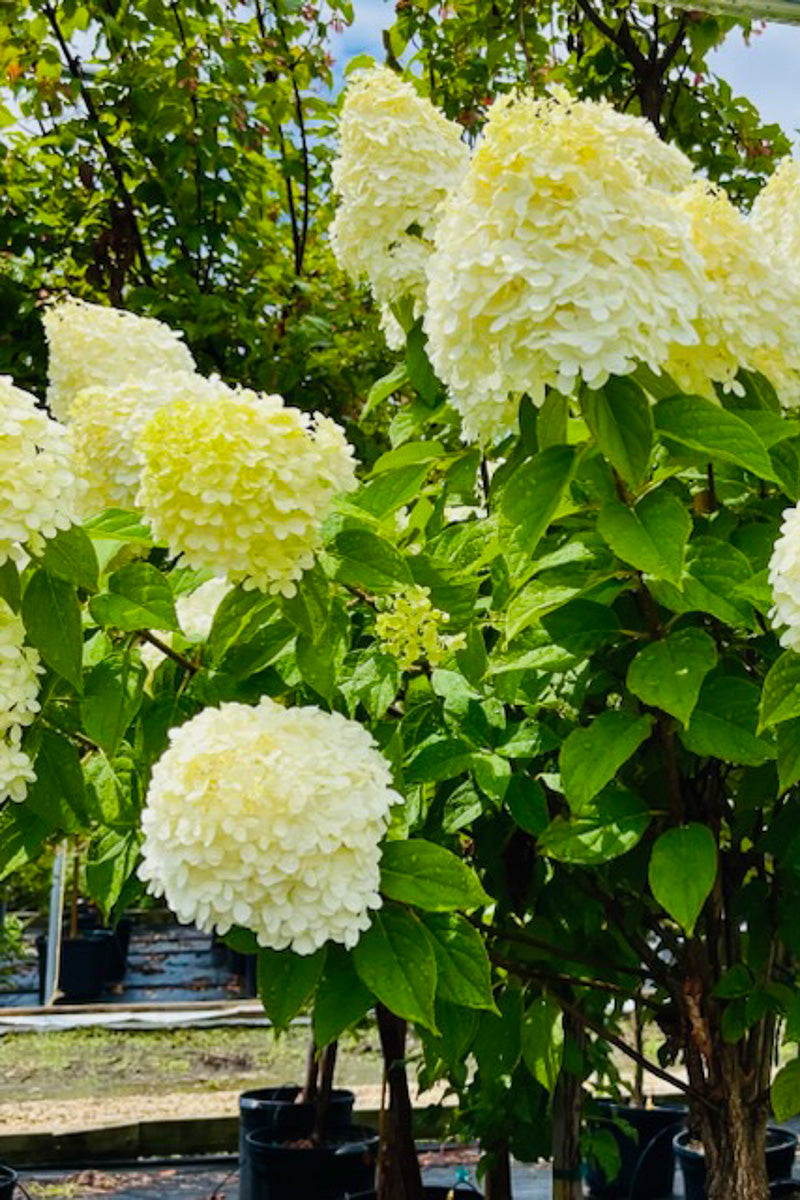

The brightly colored flowers of Limelight have a refreshing effect on the late summer garden. A large, hardy Panicle Hydrangea (cone-shaped flowers), Limelight produces big, dense, domed panicles in late summer that last through fall. The flowers emerge bright lime green, brightening to ivory white, then gradually fading to pinkish green and finally tan in winter. The multi-hued, long-lasting flowers are great for cutting and drying. Excellent as a stand-alone specimen or planted in groups for a stunning display in large areas. Panicle Hydrangea don't appreciate shade as much as other Hydrangea, and are best planted in full to partial sun and kept evenly moist. Prune lightly in late fall or early spring, removing no more than 1/3 of the stem length.
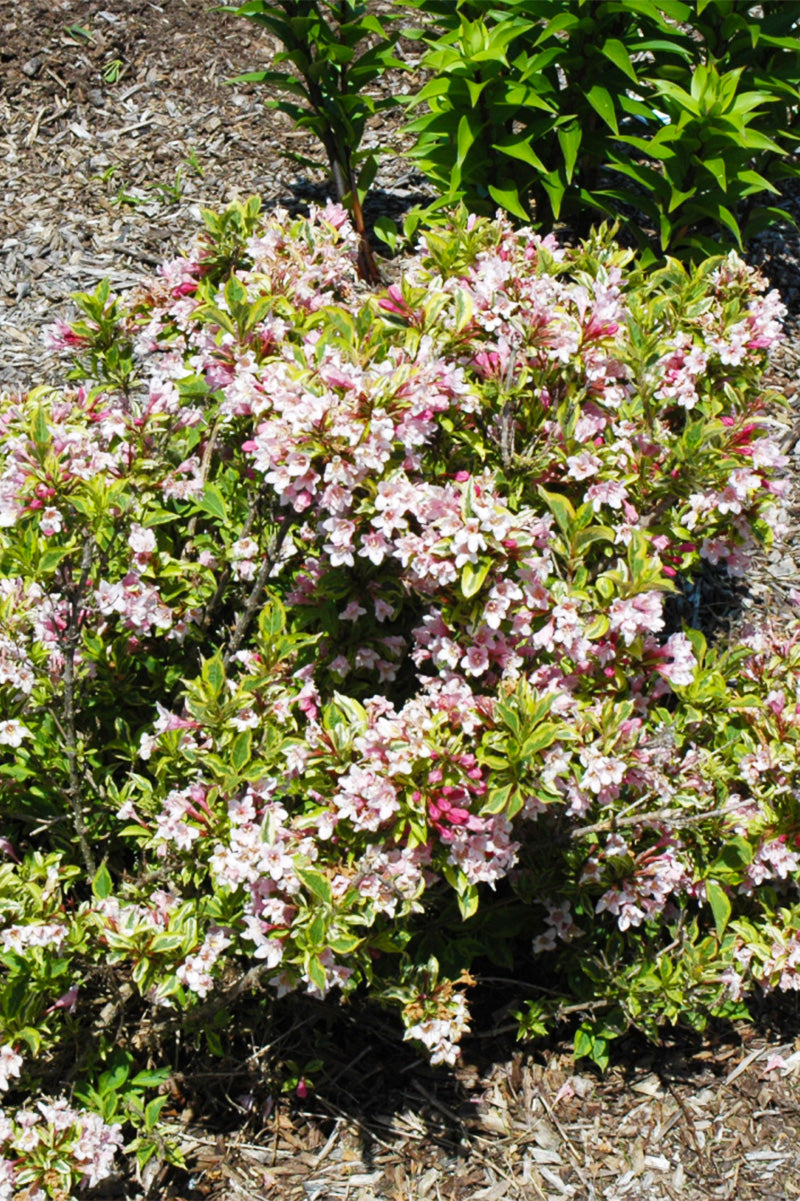
This visually stunning variety forms a low mounded shrub with variegated leaves of green and light yellow, splashed with pink. Rose pink trumpet-shaped flowers attract hummingbirds and butterflies in spring. Very showy, ideal for the mixed garden border. This shrub should only be grown in full sunlight. It prefers to grow in average to moist conditions, and shouldn't be allowed to dry out. Also note that when growing plants in outdoor containers and baskets, they may require more frequent waterings than they would in the yard or garden.

Darling dark pink flowers on a BLUEbeard! Top three reasons to grow Beyond Pink'd ® caryopteris: Brings a bright pop of pink to the late summer landscape. Attracts bees, butterflies, and hummingbirds in droves. Produces tons of blooms on a compact habit


Early and long-blooming, miniature snowballs glisten against the short mounds of blue-green foliage. A captivating edger, this pristine-white fragrant cutie is a shining star in a moonlit garden. From the Early Birdâ„¢ Series, Dianthus Frosty is a versatile perennial at home in mixed borders, containers, butterfly, heirloom and cutting gardens.
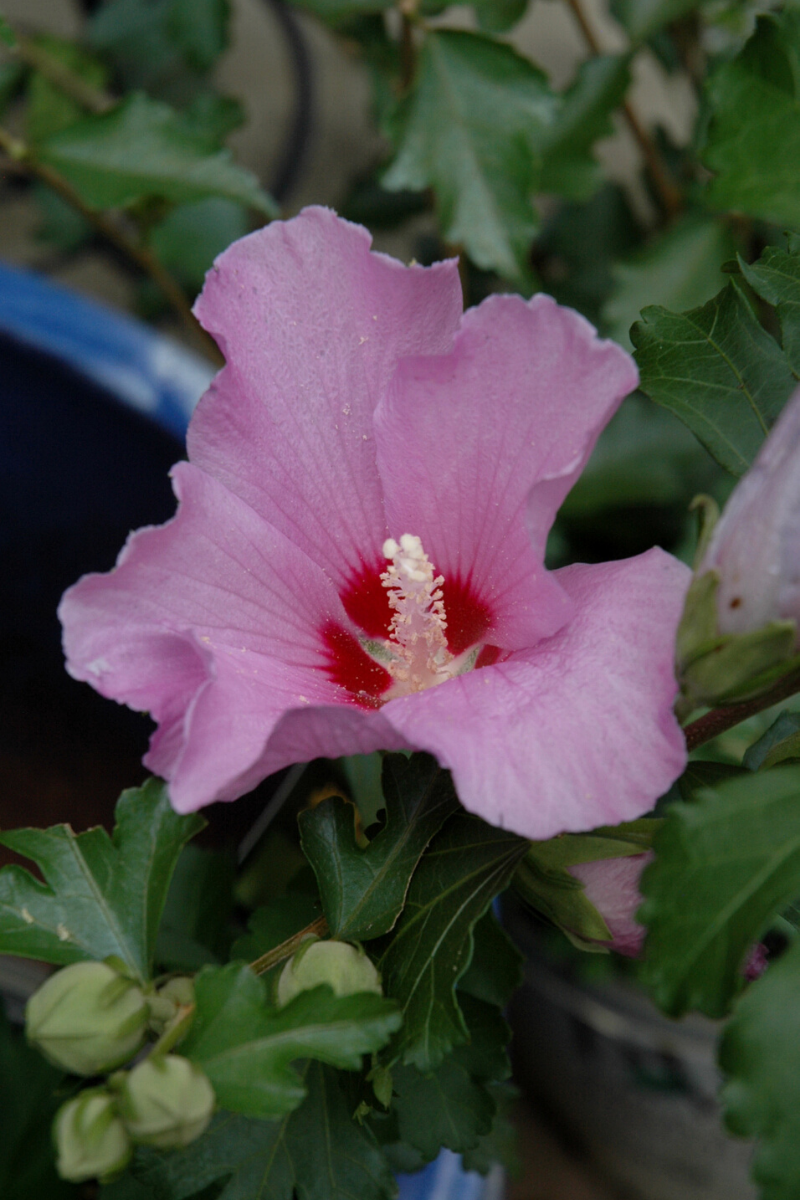
A vigorous shrub with very showy flowers in later summer; beautiful blooms are violet-pink with red centers; a very adaptable plant, but prefers full sun Violet Satin Rose of Sharon features bold violet trumpet-shaped flowers with pink overtones, red throats and white anthers along the branches from mid summer to early fall. It has dark green foliage throughout the season. The lobed leaves do not develop any appreciable fall color. The fruit is not ornamentally significant. Violet Satin Rose of Sharon is a multi-stemmed deciduous shrub with an upright spreading habit of growth. Its average texture blends into the landscape, but can be balanced by one or two finer or coarser trees or shrubs for an effective composition. This is a high maintenance shrub that will require regular care and upkeep, and is best pruned in late winter once the threat of extreme cold has passed. It is a good choice for attracting butterflies and hummingbirds to your yard, but is not particularly attractive to deer who tend to leave it alone in favor of tastier treats. Gardeners should be aware of the following characteristic(s) that may warrant special consideration; Insects Disease Violet Satin Rose of Sharon is recommended for the following landscape applications; Accent Mass Planting General Garden Use Container Planting This shrub does best in full sun to partial shade. It prefers to grow in average to moist conditions, and shouldn't be allowed to dry out. It is not particular as to soil type or pH. It is highly tolerant of urban pollution and will even thrive in inner city environments. This is a selected variety of a species not originally from North America. Violet Satin Rose of Sharon makes a fine choice for the outdoor landscape, but it is also well-suited for use in outdoor pots and containers. Its large size and upright habit of growth lend it for use as a solitary accent, or in a composition surrounded by smaller plants around the base and those that spill over the edges. Note that when grown in a container, it may not perform exactly as indicated on the tag - this is to be expected. Also note that when growing plants in outdoor containers and baskets, they may require more frequent waterings than they would in the yard or garden.


Tiffany Rose is covered in stunning fragrant pink flowers with yellow centers at the ends of the branches from early summer to early fall. The flowers are excellent for cutting. It has dark green deciduous foliage. The oval compound leaves turn yellow in fall.

Dense, glossy green foliage turns a splendid merlot color with cool winter temperatures. Clusters of delicate, bell-shaped, white summer flowers produce exceptionally large, red, ornamental berries that hold from fall through to spring. Works well as a foundation plant or groundcover. A delight in mixed holiday container plantings. Evergreen.


A bright, bubble gum pink version of The Double Knock Out ® Rose that is very stable and unfazed by the heat. Classically shaped flowers bloom from early spring to the first frost. This plant has superior drought tolerance once established.

Beautiful double pink strawberry flowers adorn this upright shrub summer through fall. Matures at 8 feet tall by 4 feet wide. Easily adapts to various soil types and tolerates drought.


Cutleaf Staghorn Sumac is primarily grown for its highly ornamental fruit. The crimson fruits are carried on showy plumes displayed in abundance from late summer to late winter. It has spikes of yellow flowers rising above the foliage from early to mid summer. It has green deciduous foliage. The deeply cut ferny pinnately compound leaves turn an outstanding scarlet in the fall.

The arching stems of Cranberry Cotoneaster are a natural fit for spilling over walls and the edges of raised beds. Stiffly arching stems clothed in small, glossy dark green leaves create a broadly spreading mound. The leaves turn shades of red and deep burgundy in fall. Tiny pink flowers in May are followed by plump, bright red berries in fall that remain showy until the birds find them! Also excellent planted in groups in front of taller plants in foundation plantings and shrub borders. Drought tolerant once established.


Season to Season® Busy Bee™ Chaste Tree features showy panicles of fragrant purple flowers with blue overtones rising above the foliage from mid summer to mid fall. It has attractive forest green foliage with grayish green undersides. The small fragrant palmate leaves are highly ornamental but do not develop any appreciable fall color. However, the fruit can be messy in the landscape and may require occasional clean-up.


Shasta Doublefile Viburnum is clothed in stunning white lacecap flowers held atop the branches in mid spring. The red fruits are held in abundance in spectacular clusters from mid summer to early fall. It has dark green deciduous foliage. The serrated pointy leaves turn an outstanding brick red in the fall.

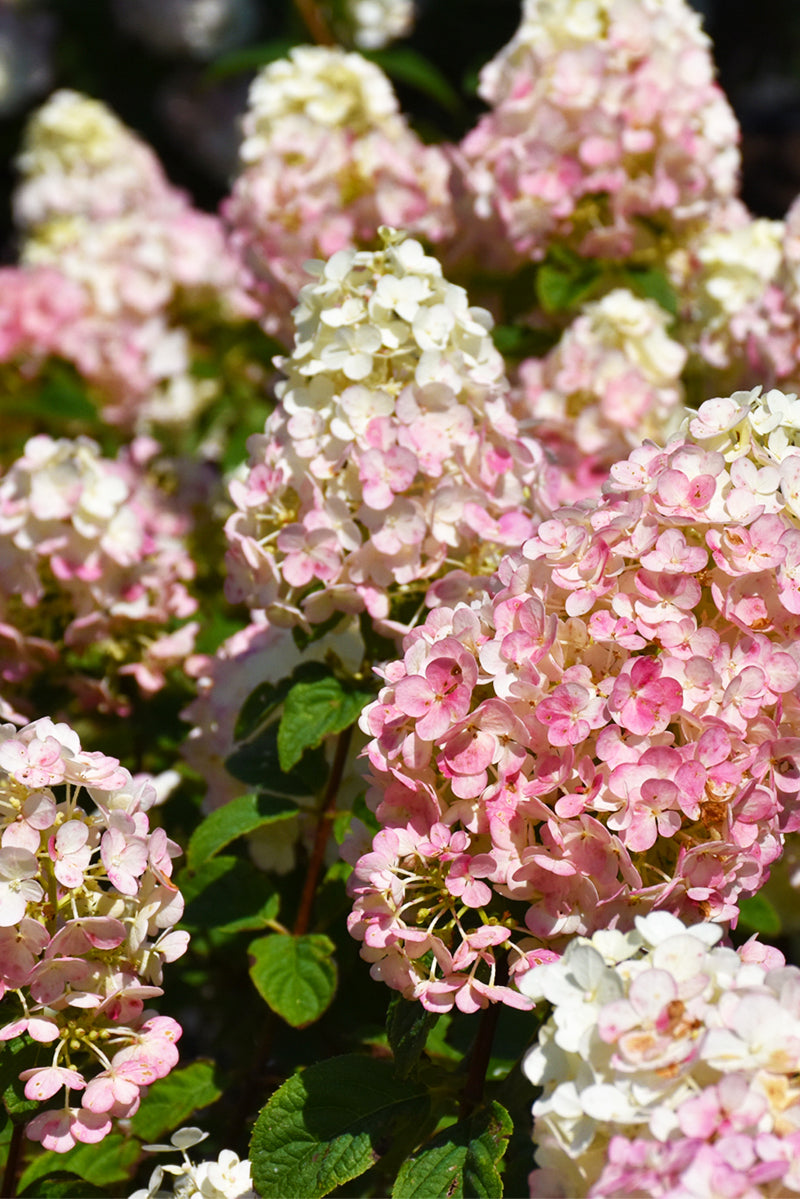
The Strawberry Sundae Hydrangea features bold conical flower heads that emerge white, change to pink, then mature to strawberry red. This compact variety is great for smaller spaces and containers. It is a high maintenance shrub that will require regular care and is best pruned late winter once the threat of extreme cold has passed.
