
Search results
966 results
Search results


NewGen® Freedom® Boxwood is primarily valued in the landscape or garden for its ornamental globe-shaped form. It has attractive dark green evergreen foliage which emerges light green in spring. The small glossy round leaves are highly ornamental and remain dark green throughout the winter.

Ames St. John's Wort is smothered in stunning gold flowers along the branches in mid summer. The flowers are excellent for cutting. It has bluish-green deciduous foliage. The narrow leaves do not develop any appreciable fall color.

A new color addition to The Knock Out ® Family of roses. The unique coral color is even stronger in hot, humid climates. It blooms from spring through fall and maintains an upright to rounded habit. Young foliage is bronze red.


Pink Dynamo™ Hydrangea features bold hot pink lacecap flowers with white overtones at the ends of the branches from late spring to late summer, which emerge from distinctive coral-pink flower buds. The flowers are excellent for cutting. It has attractive forest green-variegated deep purple foliage with hints of black which emerges brick red in spring. The serrated pointy leaves are highly ornamental but do not develop any appreciable fall color.


Pink Shira Hydrangea features bold balls of pink flowers at the ends of the branches from early summer to late fall. The flowers are excellent for cutting. It has forest green deciduous foliage. The glossy pointy leaves do not develop any appreciable fall color.


Sweetfern has dark green deciduous foliage on a plant with a spreading habit of growth. The fragrant ferny leaves turn brown in fall.


A very popular herb, this is actually a pretty shrub as well, with narrow grayish green needle-like foliage and pretty blue flowers in late spring on an upright form; leaves are great for cooking and as a garnish; wonderful to grow in a container
- Mature Height: 24 inches
- Mature Width: 24 inches
- Sunlight: Sun
- Soil Conditions: Generally Dry, Moist (Typical)
Plants are constantly growing, ever-changing, and therefore unique. The plant you receive may vary from the photo, but rest assured, holds the same glorious potential!

Pinky Winky Prime™ Panicle Hydrangea is a standout selection with large, showy cone-shaped flower panicles that open white in summer and develop a striking deep pink lower half as the season progresses, creating a beautiful two-toned bicolor effect that persists into fall. Growing 5–9 feet tall with a mounding habit, it makes an outstanding specimen, border anchor, or mass planting in full sun to partial shade. The flowers age to rich pink tones as they mature, making excellent fresh and dried cut arrangements. In autumn the foliage transitions to vivid shades of orange, red-burgundy, and copper-bronze. Resistant to deer, rabbits, and disease, and tolerant of Black Walnut and cold conditions, it’s a low-maintenance, long-season performer. A beautiful, eye-catching hydrangea with exceptional late-season color and interest.

You won't have much work to do in the garden after planting this new rose for which NATURAL DISEASE resistance is a true statement. The dark green, shiny & healthy foliage is the perfect background to showcase the many clustering buds and flowers. Of a classic red color, this dynamite of a rose has ideal pointy and very elegant buds. The red coloration doesn't go too pink or blue as the petals are falling away. A touch of lighter pink reverse light up the show of this blooming 'machine'. And that's not all. The plant's excellent vigor and the naturally self-maintained habit are other reasons why you can Take It Easy!

A dwarf compact shrub producing airy lacecap, lavender blooms in acidic soil; pink in alkaline; blooms on both old and new wood; ideal for the shrub border or foundation garden; perfect for patio containers; soil pH affects bloom color.

Invincibelle Lace® is the first smooth hydrangea featuring stunning plum-purple lacecap flowers and striking ruby-red stems that provide year-round garden interest. This reliable bloomer attracts pollinators while delivering both ornamental beauty and ecological value in a low-maintenance, informal garden setting.

ight-O-Day Hydrangea features bold white lacecap flowers with shell pink centers at the ends of the branches from early to mid summer. The flowers are excellent for cutting. It has attractive white-variegated forest green foliage with hints of grayish green. The glossy pointy leaves are highly ornamental but do not develop any appreciable fall color.


Elegant yet strong–you’ll want to sip on this beauty all season long! Reminiscent of a favorite summertime drink, this Hydrangea is bright and lively. The blooms emerge lime green and age to a refreshing bright white - a thirst-quenching contrast.


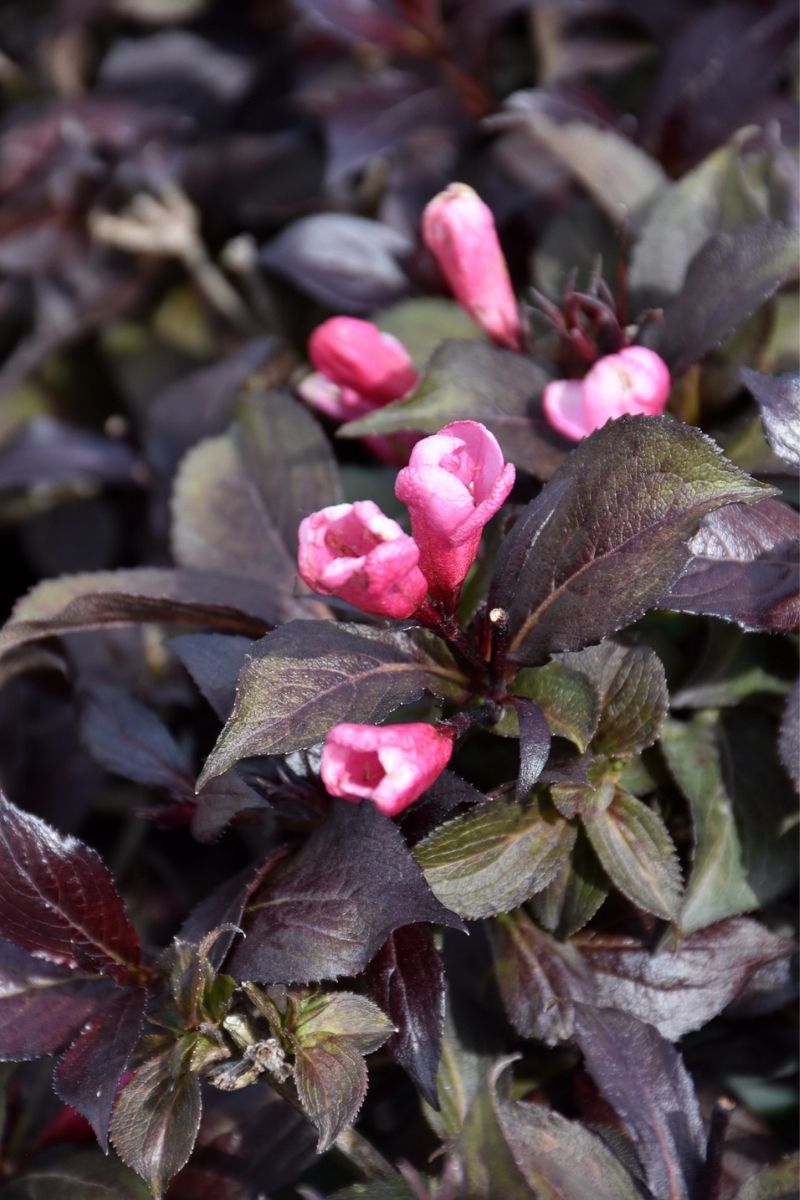


- Mature Height: 4 feet
- Mature Width: 3 feet
- Sunlight: Sun, Part Sun
- Soil Conditions: Moist (Typical)
Plants are constantly growing, ever-changing, and therefore unique. The plant you receive may vary from the photo, but rest assured, holds the same glorious potential!