
Search results
644 results
Search results


Linda Campbell Rose features showy lightly-scented red flowers with yellow eyes at the ends of the branches from early summer to mid fall. The flowers are excellent for cutting. The fruits are showy orange hips carried in abundance from early to late fall. It has dark green deciduous foliage which emerges burgundy in spring. The glossy oval compound leaves turn an outstanding scarlet in the fall. The spiny purple bark adds an interesting dimension to the landscape.

A new variety that's extremely dense and compact with showy yellow flowers streaked with orange from July until frost and fine textured foliage; tough, hardy and adaptable, rarely requires pruning, excellent in mass plantings
Mango Tango Potentilla has yellow flowers with orange centers at the ends of the branches from late spring to early fall. It has light green foliage throughout the season. The small ferny compound leaves do not develop any appreciable fall color. The fruit is not ornamentally significant.
Mango Tango Potentilla is a dense multi-stemmed deciduous shrub with a more or less rounded form. It lends an extremely fine and delicate texture to the landscape composition which should be used to full effect. This is a relatively low maintenance shrub, and is best pruned in late winter once the threat of extreme cold has passed. It is a good choice for attracting butterflies to your yard, but is not particularly attractive to deer who tend to leave it alone in favor of tastier treats. It has no significant negative characteristics.
Mango Tango Potentilla is recommended for the following landscape applications;

Striking pure white blooms with a very faint blotch adorn this vigorous and hardy variety in mid spring; considered one of the best whites, it will definitely make an impact along borders; absolutely must have well-drained, highly acidic and organic soil
Pleasant White Azalea is covered in stunning clusters of fragrant white trumpet-shaped flowers with creamy white throats at the ends of the branches in mid spring before the leaves. It has green foliage which emerges light green in spring. The narrow leaves do not develop any appreciable fall color. The fruit is not ornamentally significant.
Pleasant White Azalea is a dense multi-stemmed deciduous shrub with an upright spreading habit of growth. Its relatively coarse texture can be used to stand it apart from other landscape plants with finer foliage.
This is a relatively low maintenance shrub, and should only be pruned after flowering to avoid removing any of the current season's flowers. It has no significant negative characteristics.
Pleasant White Azalea is recommended for the following landscape applications;


Diabolo Ninebark features showy clusters of white flowers at the ends of the branches from late spring to early summer, which emerge from distinctive pink flower buds. It has attractive deep purple deciduous foliage which emerges burgundy in spring. The serrated lobed leaves are highly ornamental and turn an outstanding red in the fall. It features abundant showy red capsules from early to mid fall. The peeling tan bark adds an interesting dimension to the landscape.


Fragrant Sumac has yellow flowers along the branches from early to mid spring. It has green deciduous foliage. The serrated compound leaves turn an outstanding orange in the fall. The brick red fruits are held in clusters from late summer to late fall.

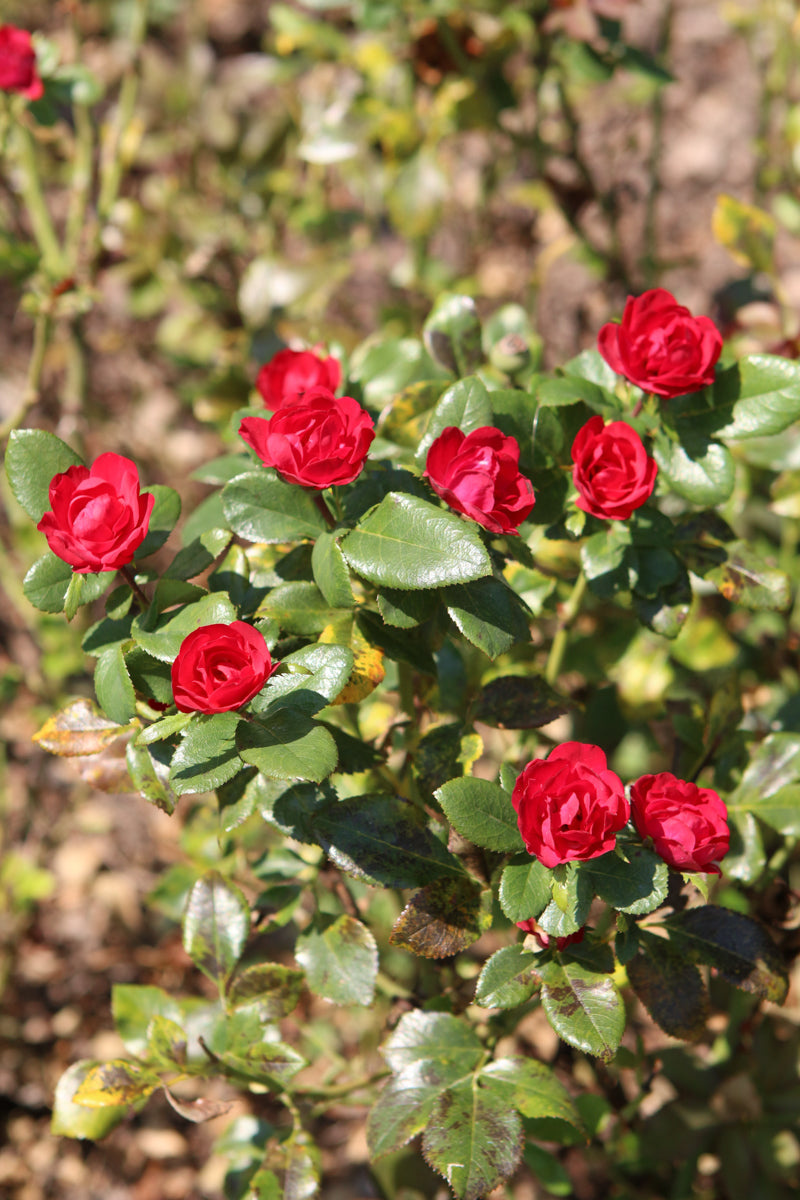
Petite Knock Out is the first true miniature in the famous family, packing all that legendary toughness into a tidy, compact plant. It bears bright red single blooms from spring through fall with no spraying or deadheading. Plant it in full sun, where its small, mounded form fits neatly into containers, edging, and the front of the border. Like its relatives, it resists deer, rabbits, insects, and disease with ease. Glossy green foliage stays clean and healthy all season. For carefree Knock Out color in a small space, Petite is perfect.
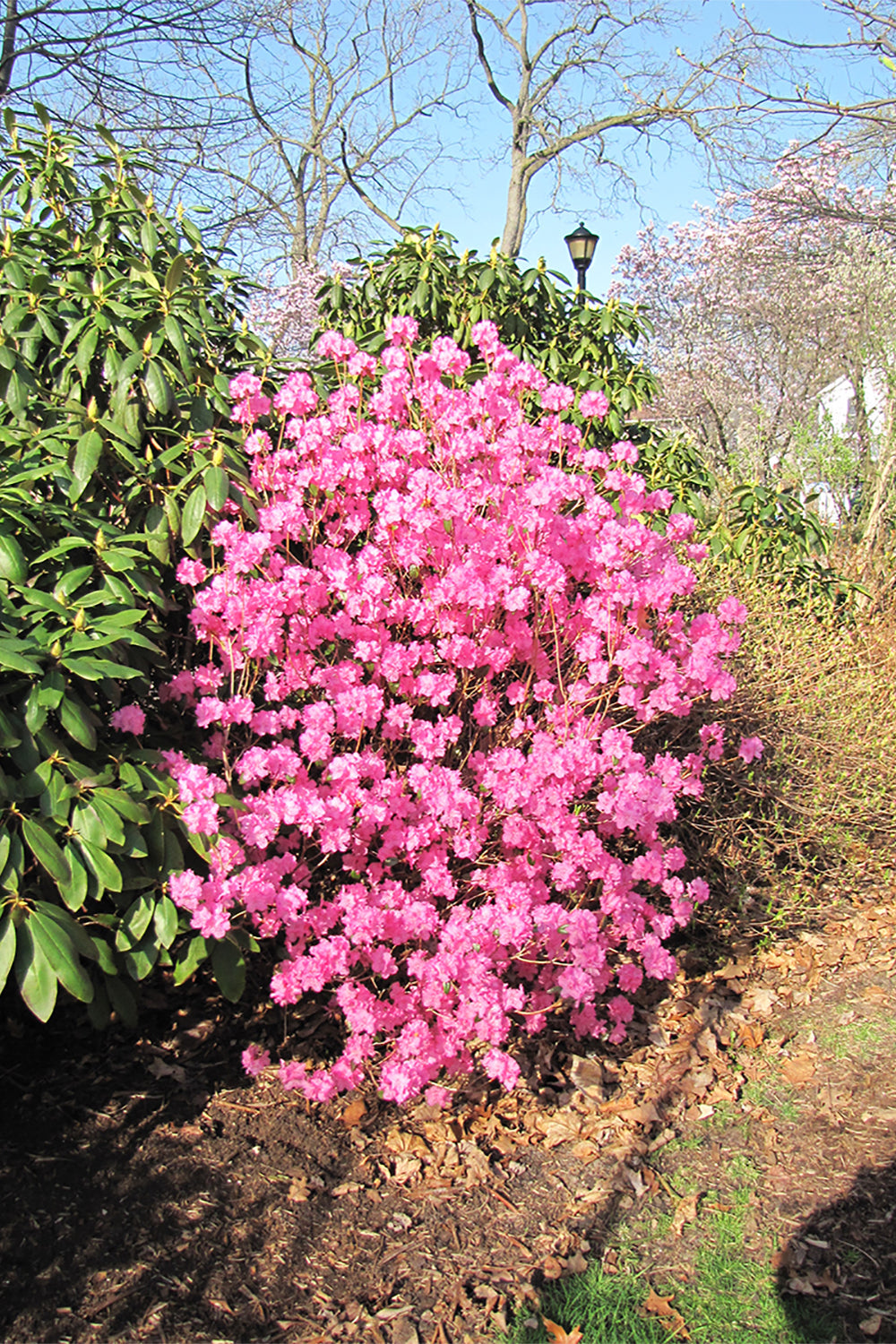

Sweet Drift® forms full clusters of sweet pink blooms from mid-spring to the first hard freeze of late fall. No cottage garden is complete without the charming romance of Sweet Drift®.

A brand new way to love roses. On your plate! The new line of Flavorette roses will transform your garden from just viewable, to edible! Each rose was bred for reliable landscape performance and excellent taste, so you’ll get the best of both worlds. With Flavorette® Honey-Apricot rose you’ll get luscious bowl-shaped, petal filled blooms continuously throughout the summertime.
Top reasons to grow Flavorette® Honey-Apricot rose?
- A fun edible plant to mix up your dishes
- Great disease resistance
- Doesn’t require deadheading to rebloom

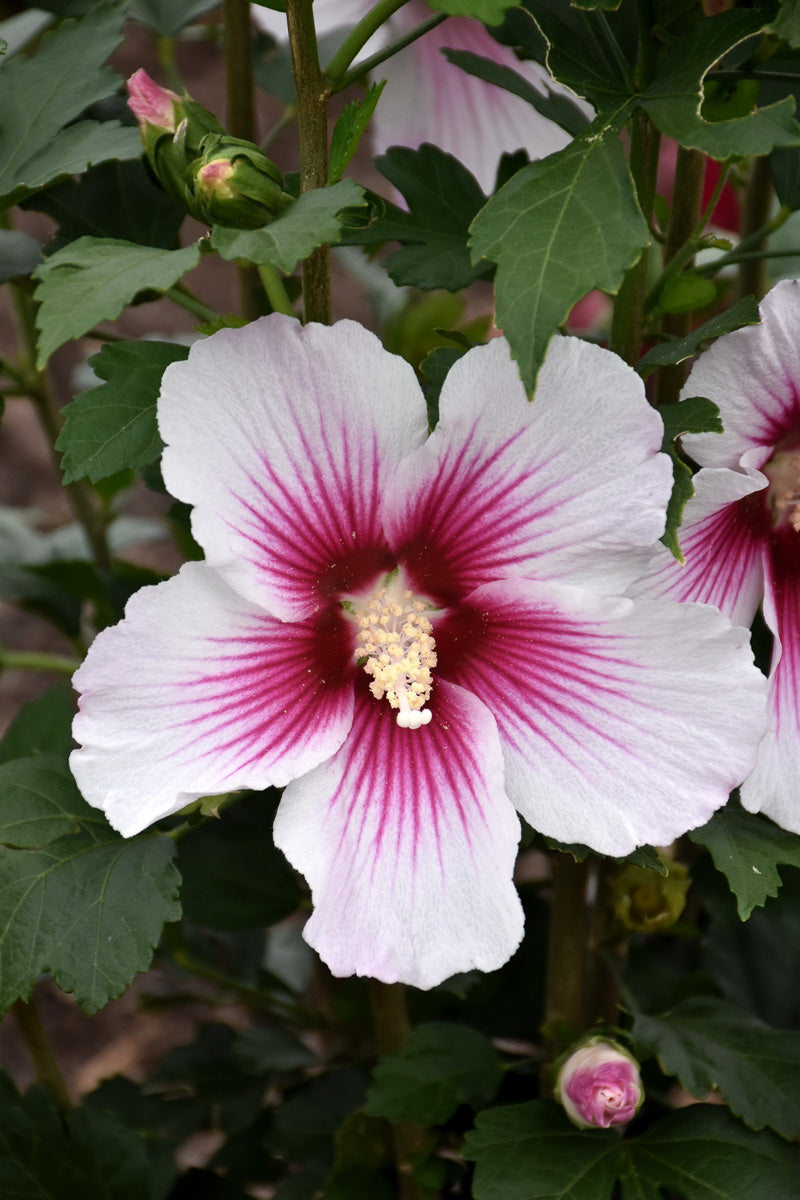
Paraplu Pink Ink® Rose of Sharon features bold white trumpet-shaped flowers with crimson throats and hot pink veins along the branches from mid summer to early fall. It has green deciduous foliage which emerges light green in spring. The lobed leaves turn yellow in fall.


Pale, pink buds open to soft white with a hint of pink at the edges. Fine-textured foliage with nice reddish-brown stems. Hardy to -15 °F. This semi-dwarf, small-leaf rhododendron has pretty tan buds that give way to those cotton-candy like flower blooms. Can be used in many scenarios including containers given its smaller size.

Pink Mist’s fragrant white flowers have a tinge of pink and bloom in late June and into July. The plant is similar to the species in growth habit and characteristics. Mildew resistant.


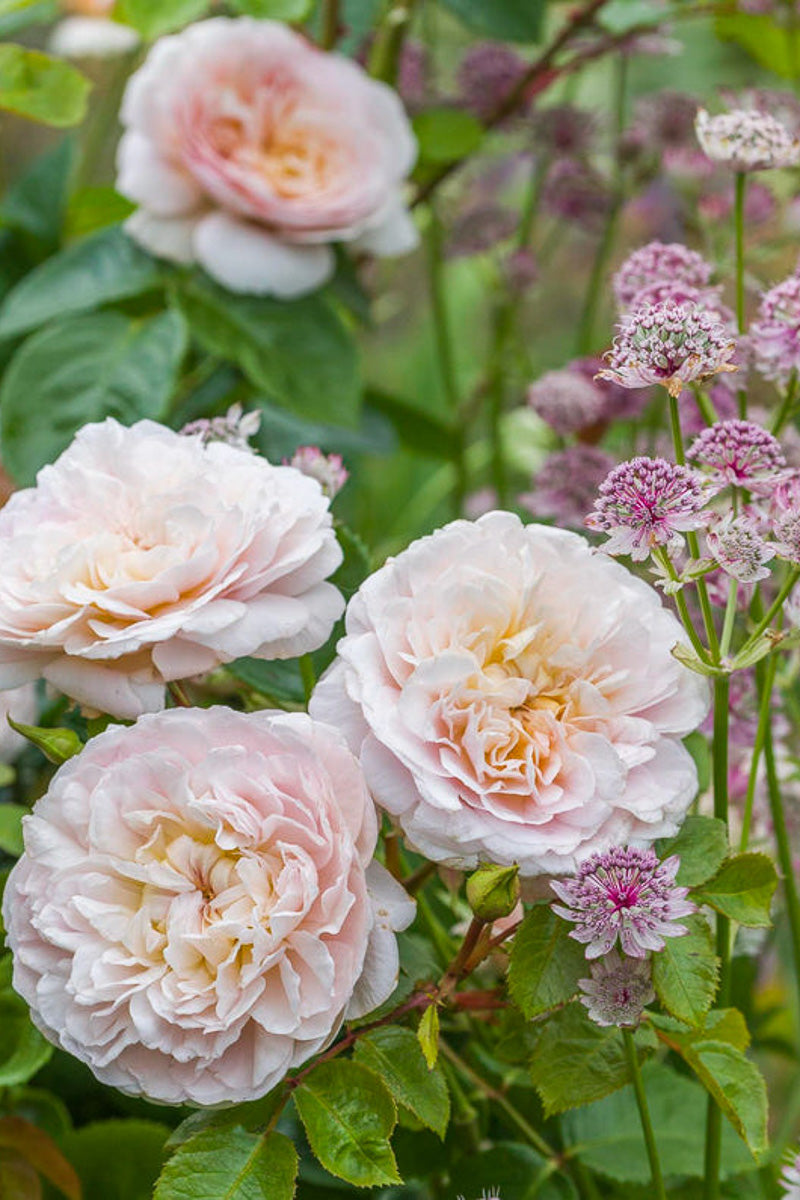


Compact, deciduous shrub selected for abundance of superior, continuous flowers with longer bloom season and little to no seed production. Lavender flowers have a pink overlay and dark red eye. Dense habit of handsome, leathery, dark green foliage creates a wonderful informal hedge or screen. Highly tolerant to air pollution and drought.

Red Pillar™ Rose of Sharon features bold rose trumpet-shaped flowers with pink overtones, creamy white throats and crimson centers along the branches from mid summer to early fall. It has dark green deciduous foliage. The lobed leaves do not develop any appreciable fall color.