
Shrubs
All of our shrubs come with a risk-free warranty, and we can plant them for you. Don't know which plants to get? Schedule a 15-min appointment with a product specialist before your visit to Chalet.
148 products
Sort by:
148 products
148 products


Bailey Compact Highbush Cranberry features showy white lacecap flowers held atop the branches in late spring. It features an abundance of magnificent scarlet berries from late summer to late winter. It has dark green deciduous foliage which emerges brick red in spring. The serrated lobed leaves turn an outstanding orange in the fall. The smooth gray bark and gold branches add an interesting dimension to the landscape.

A compact, dense native shrub that presents powdery, silver foliage that adds texture and contrast when combined with other shrubs; pretty silver catkins with red stamens in spring; best in full sun; tolerates moist soils and pruning Iceberg Alley ® Sageleaf Willow features delicate silver catkins with red overtones and yellow anthers along the branches from late winter to early spring before the leaves. The flowers are excellent for cutting. It has attractive deciduous grayish green foliage with white undersides and tinges of silver which emerges white in spring. The fuzzy pointy leaves are highly ornamental but do not develop any appreciable fall color. The fruit is not ornamentally significant. The smooth bark and white branches are extremely showy and add significant winter interest. Iceberg Alley ® Sageleaf Willow is a dense multi-stemmed deciduous shrub with a more or less rounded form. Its relatively fine texture sets it apart from other landscape plants with less refined foliage. This shrub will require occasional maintenance and upkeep, and should only be pruned in summer after the leaves have fully developed, as it may 'bleed' sap if pruned in late winter or early spring. It has no significant negative characteristics. Iceberg Alley ® Sageleaf Willow is recommended for the following landscape applications; Accent Mass Planting Hedges/Screening Naturalizing And Woodland Gardens This shrub does best in full sun to partial shade. It is quite adaptable, prefering to grow in average to wet conditions, and will even tolerate some standing water. It is not particular as to soil type or pH. It is highly tolerant of urban pollution and will even thrive in inner city environments. This is a selection of a native North American species.

This extremely hardy male holly is the ideal pollenizer for Berry Poppinsâ„¢, Berry Heavy ®, and Berry Nice ®. Plant one male for every five female plants. Densely branched growth makes an ideal background shrub. hedge or border planting. Produces no berries. Deciduous.
Full sun, Partial sun
Best with regular watering to maintain consistently moist soil.
Plants are constantly growing, ever-changing, and therefore unique. The plant you receive may vary from the photo, but rest assured, it holds the same glorious potential!

Flowers are lovely, but its foliage that anchors most plants through the season, and its foliage that makes Sunjoy Sequins barberry so unique. New growth emerges in a shimmering palette of white, pink, and mint green before maturing to emerald. This large shrub is a nice choice for a colorful hedge or eye-catching specimen, and its variegation makes it more shade tolerant than other barberries.


Tom Thumb Cotoneaster is primarily grown for its highly ornamental fruit. It features an abundance of magnificent red berries from late summer to late fall. It features tiny clusters of pink flowers along the branches in late spring. It has dark green deciduous foliage. The tiny glossy round leaves turn an outstanding brick red in the fall.

Encore Raspberry is a late-season primocane variety prized for its generous clusters of sweet, juicy red berries that ripen from midsummer through fall, extending the fresh raspberry season later than most varieties. The upright canes reach 3–5 feet tall and wide, fitting neatly into garden borders or dedicated raspberry beds in full sun. White spring flowers attract pollinators before the berries set, and birds are always eager to share in the harvest. Disease-resistant and cold-hardy, it’s a reliable, low-maintenance choice that rewards minimal care with a maximum harvest. Plant it alongside an earlier-ripening variety for a nearly continuous supply of fresh raspberries through the growing season. A rewarding addition to any edible garden.
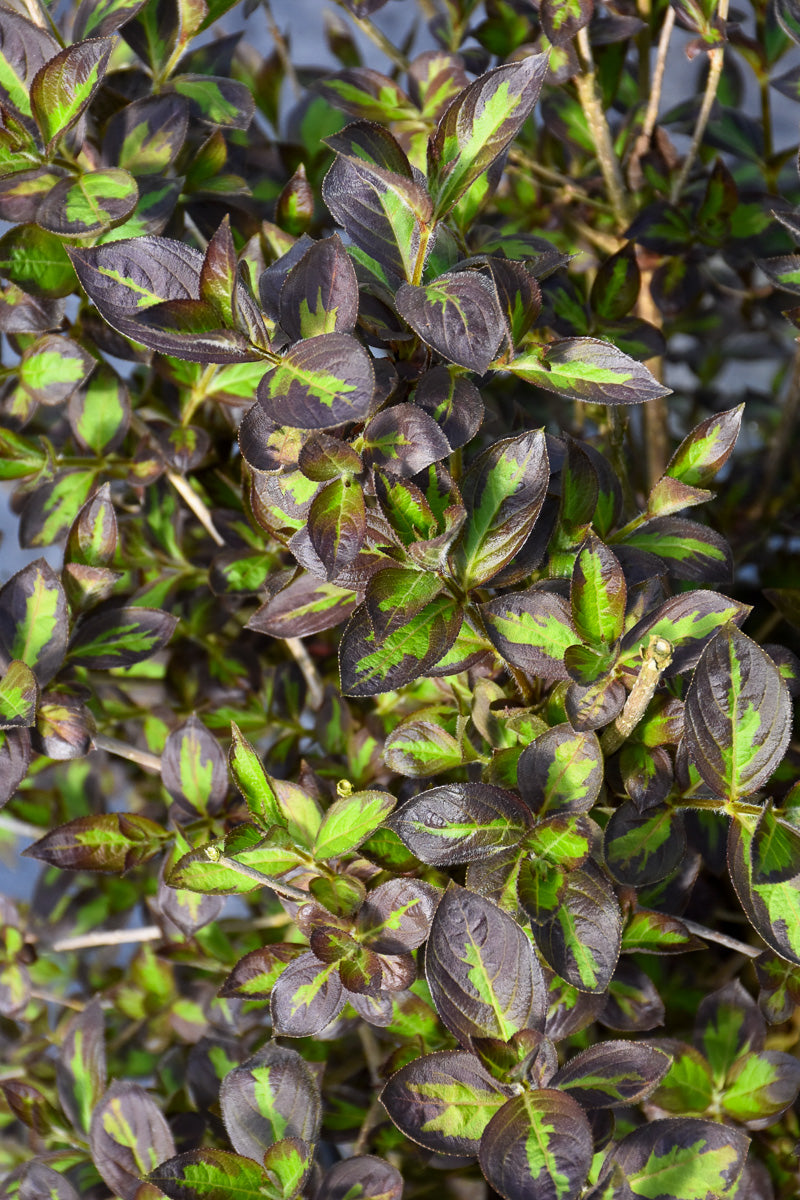
Vinho Verde® Weigela features showy clusters of pink trumpet-shaped flowers along the branches from late spring to early summer, which emerge from distinctive red flower buds. It has attractive lime green foliage edged in black with hints of burgundy. The pointy leaves are highly ornamental but do not develop any appreciable fall color.
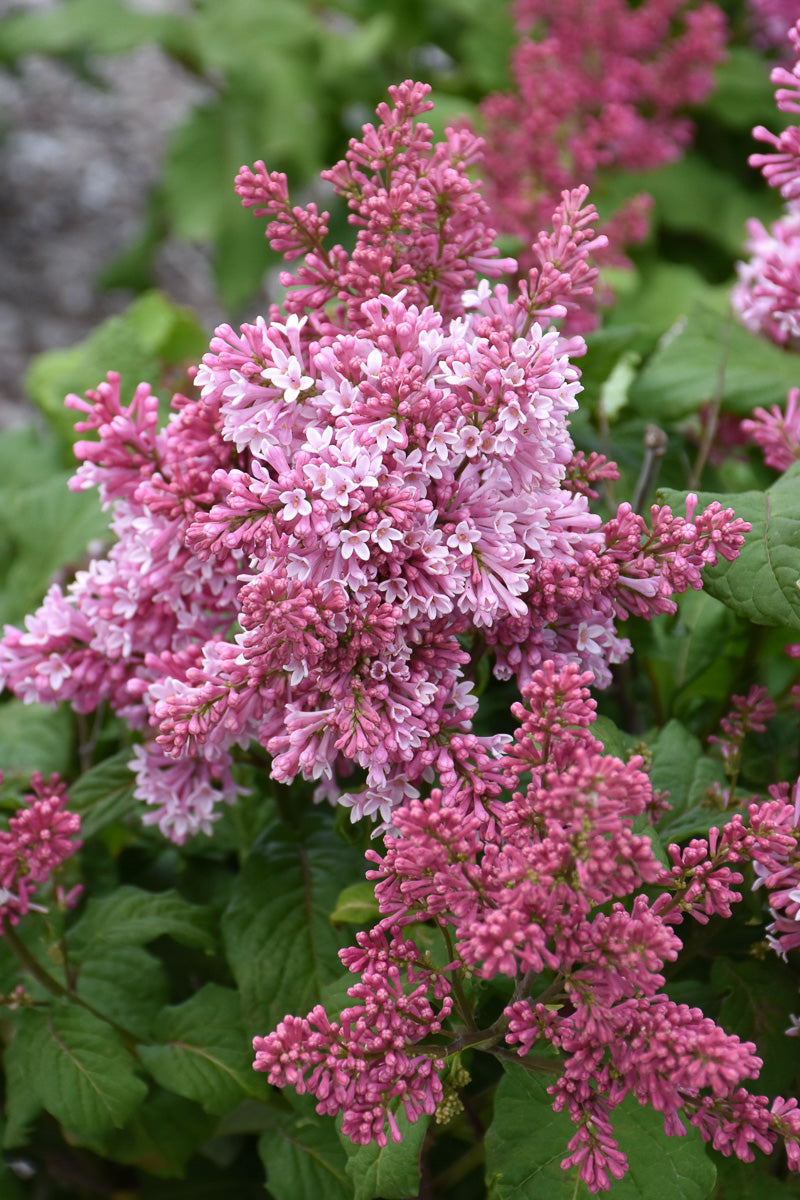
Pinktini™ Lilac features showy panicles of lightly-scented pink flowers rising above the foliage in late spring, which emerge from distinctive rose flower buds. It has forest green deciduous foliage. The pointy leaves turn buttery yellow in fall.

Nikko Dawn Deutzia is smothered in stunning racemes of lightly-scented white trumpet-shaped flowers along the branches from mid to late spring. It has attractive green foliage edged in creamy white. The small serrated pointy leaves are highly ornamental and turn an outstanding deep purple in the fall.

Steeplebush has spires of showy pink flowers and beautiful foliage that turns bright gold and auburn in fall. This native forms a colony of upright, slender, wand-like plants. Plant it three feet on center to create a low hedge. Requires a moist setting and is well suited for planting along around ponds, in rain gardens, in naturalized swale or detention areas, or included in a water garden/feature.
It prefers full sun, but light shade is ok. Faded flower clusters can be removed to encourage additional bloom. It flowers on new wood, so prune in late winter to early spring if needed.

Reliance Seedless Grape is one of the most reliable and productive home-garden grapes for northern climates, producing abundant clusters of medium-sized, sweet, juicy red-rose grapes with excellent flavor from midsummer through late summer. A vigorous climbing vine reaching 9–15 feet with support, it covers arbors, fences, and pergolas in full sun with lush deciduous foliage that turns stunning red-burgundy and copper-bronze in fall. Seedless and easy to eat fresh, Reliance grapes are also excellent for jams, juice, and wine-making. Insect-resistant and disease-resistant, it’s a dependable choice for gardeners who want a low-fuss fruiting vine. Birds are drawn to the harvest, so netting before peak ripeness is worthwhile. Tolerates Black Walnut and handles erosion-prone sites, making it a genuinely flexible and productive landscape plant.

This is a magnificent cultivar that forms a stately mounded shrub with rich green glossy foliage; regal red trumpet-shaped flowers rebloom all season and attract hummingbirds; very, very showy, ideal for the mixed garden border


As with all barberries, Lemon Glow® is extremely adaptable but best in any well-drained soil location. Water regularly after planting and fertilize in spring before new growth begins.


Autumn Inferno® Cotoneaster is primarily grown for its highly ornamental fruit. It features an abundance of magnificent scarlet berries from late summer to late fall. It has attractive dark green evergreen foliage. The small glossy oval leaves are highly ornamental and turn outstanding shades of scarlet, yellow and orange in the fall, which persists throughout the winter. It features tiny clusters of shell pink flowers along the branches in late spring.

WorryFree® Crimson Cutie® Japanese Barberry has attractive deep purple-variegated burgundy foliage on a plant with a round habit of growth. The small oval leaves are highly ornamental and turn an outstanding dark red in the fall. It features tiny clusters of yellow flowers hanging below the branches in mid spring. The fruits are showy scarlet drupes displayed from early to late fall.


Gold Mound Spirea earns its name with a season-long show of brilliant golden-yellow foliage that lights up borders and mixed plantings from spring through fall. At just 24–36 inches tall and 3–5 feet wide, this tidy mounding shrub is perfectly scaled for edging beds or anchoring a mass planting in full sun. Soft pink flowers appear in summer, hovering above the glowing foliage in a charming contrast. Fall brings a warm golden finish before the leaves drop, extending the interest well into autumn. Resistant to deer, insects, and disease, it’s a dependable performer that handles tough spots without complaint. It tolerates Black Walnut, making it a flexible choice for challenging garden sites. A go-to shrub for a burst of low-maintenance color all season long.

Green Mound Alpine Currant has rich green deciduous foliage on a plant with a mounded habit of growth. The lobed leaves turn yellow in fall.
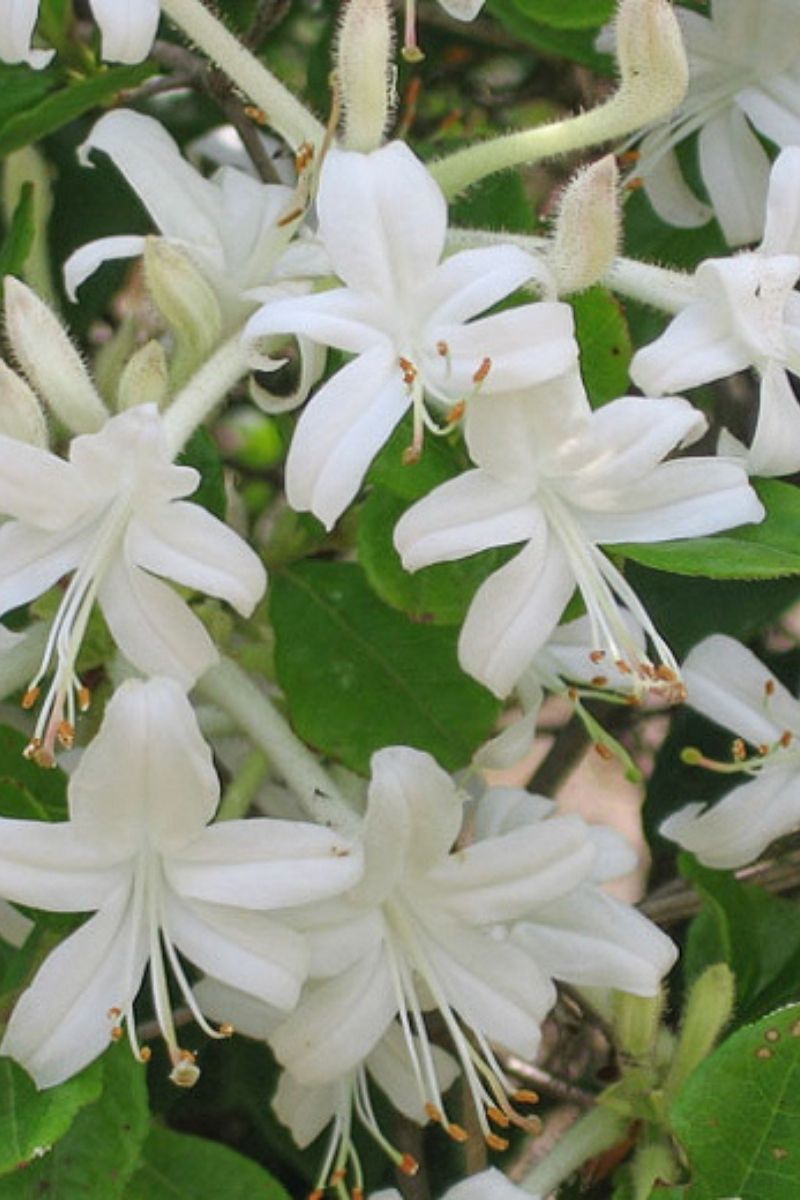
Prized for its strongly-scented flowers and beautiful fall foliage Swamp Azalea is a very appealing native to the swamps of the eastern United States, from Maine to Alabama, and westward to Texas. This bushy, medium-sized, deciduous shrub bears funnel-shaped, white flowers, often tinged pink, with long slender tubes. Held in small clusters of 3-12 flowers, they bloom profusely after the leaves emerge, in early summer and exude a strong clove-like perfume. The foliage of lustrous, elliptic, dark green leaves turns brilliant shades of yellow, orange and purple in fall, for a great colorful show. Exceptionally cold-hardy, this late season Azalea can withstand temperatures as low as to -20 °F (-29 °C). A wonderful landscape plant that deserves a place near a patio, deck or living area, where its delightful fragrance can be enjoyed.

Northern Bayberry is a rugged native shrub prized for the clusters of waxy, aromatic gray-blue berries that cling to branches all winter and have been used for centuries to make fragrant candles. Exceptionally adaptable, it thrives in poor, sandy, and salty soils where most shrubs struggle, making it a go-to for coastal plantings, windswept slopes, and erosion control. The aromatic semi-evergreen foliage holds late into fall before giving way to persistent berry clusters that cedar waxwings, yellow-rumped warblers, and other birds rely on for cold-season fuel. Deer, rabbit, pest, and disease resistant — tolerant of salt, Black Walnut root competition, and difficult ground — it spreads into effective colonies and earns its keep in hedges, mass plantings, and naturalized areas.
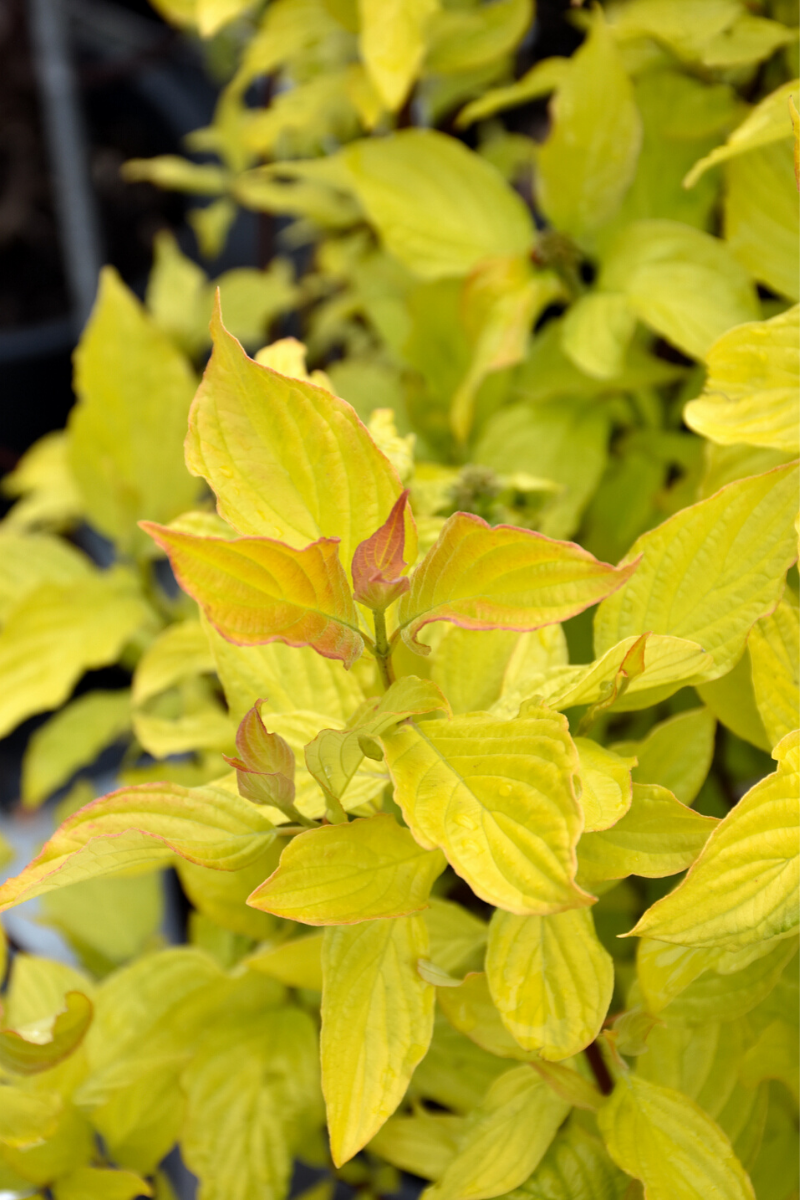
Neon Burst Dogwood earns its name with a dazzling season-long foliage display that brings electric chartreuse color to the garden even when the shrub isn’t in bloom. It’s a true multi-season performer with white spring flowers, brilliant fall color in shades of gold, red, and deep purple, and showy scarlet stems that command attention throughout winter when the garden needs it most. Growing 15–20 feet with a graceful vase-shaped form, it makes a striking specimen in partial shade with moderate water needs. Butterflies are drawn to the spring flowers, and birds appreciate the small fruit that follows. Cold-hardy and adaptable, it’s a straightforward, rewarding shrub for anyone seeking year-round interest. Give it a prominent spot where all four seasons can be fully appreciated.

A standout shrub producing bright yellow foliage all summer long, maturing to golden tones in fall; very showy, great as a color contrast in the landscape; plant on slopes, in beds, or as a border
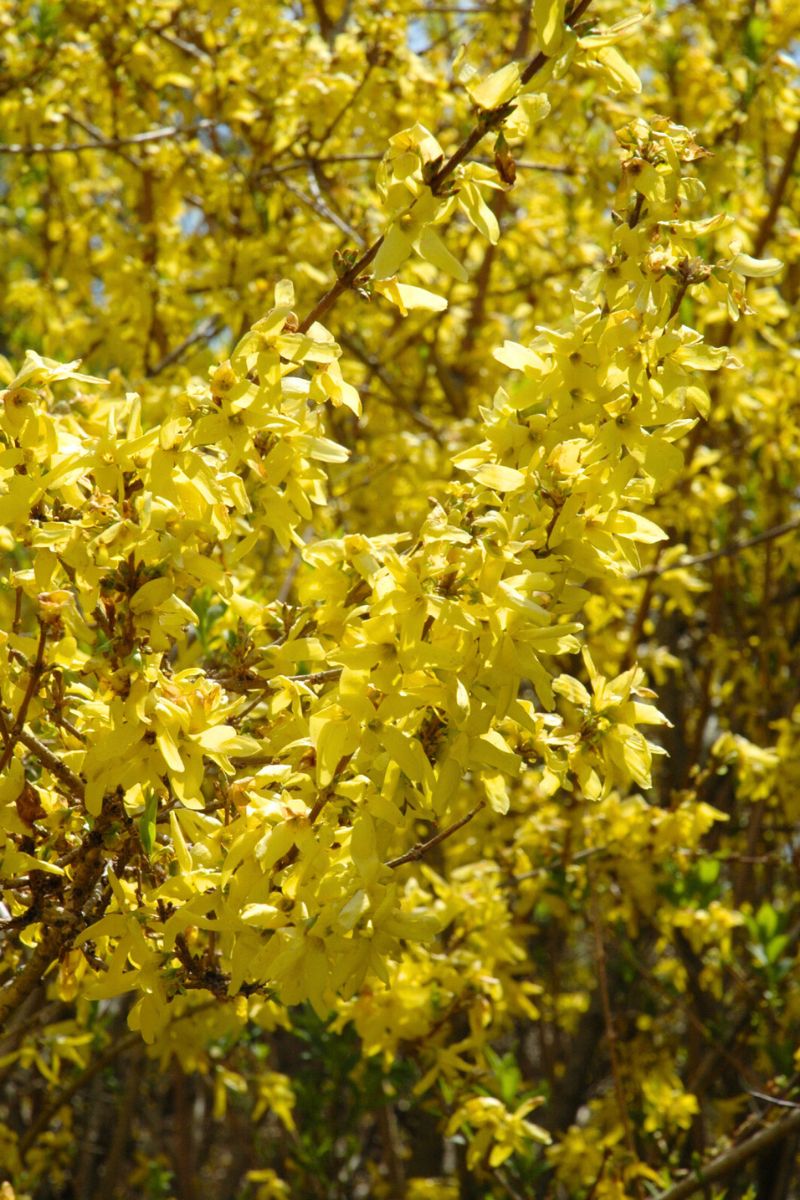
Spring Glory Forsythia is smothered in stunning lemon yellow bell-shaped flowers along the branches in early spring before the leaves. The flowers are excellent for cutting. It has forest green deciduous foliage. The serrated pointy leaves do not develop any appreciable fall color.
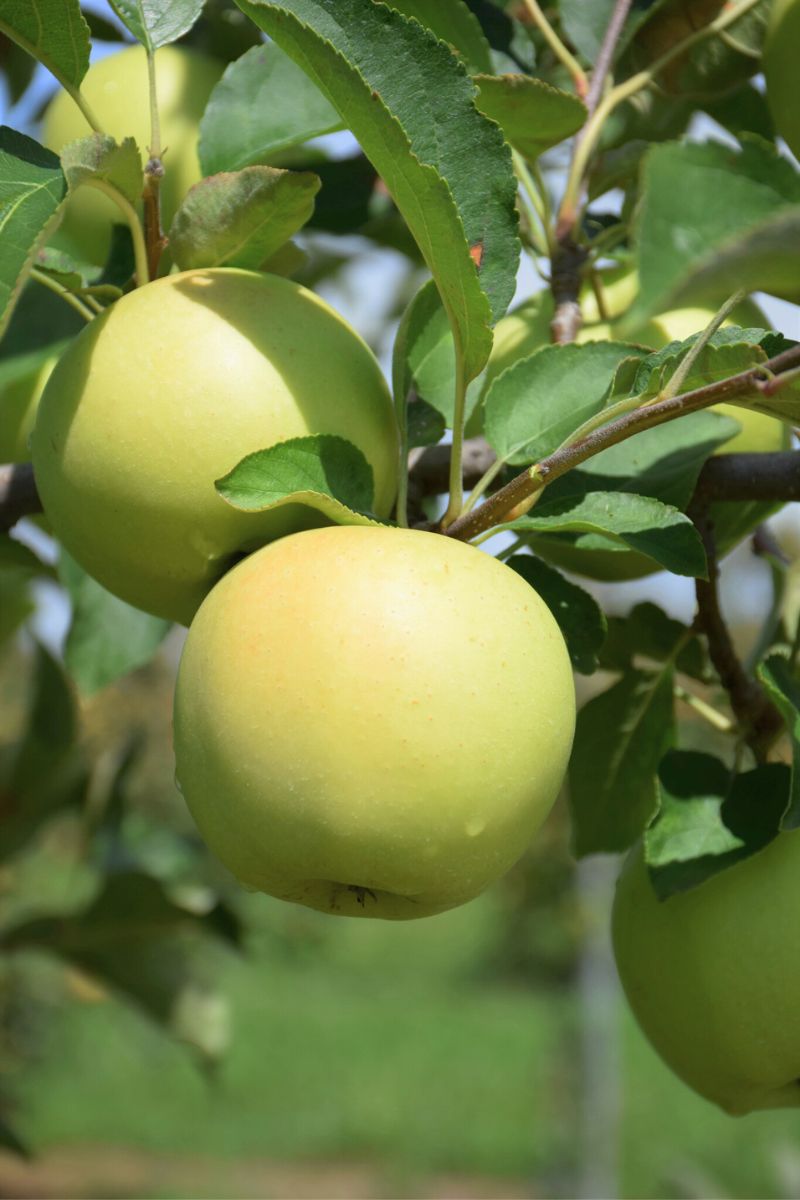
Yellow Delicious Apple is a small tree that is typically grown for its edible qualities. It produces large chartreuse round apples (which are botanically known as 'pomes') with yellow overtones and white flesh which are usually ready for picking from early to mid fall. The apples have a sweet taste and a crisp texture.
The apples are most often used in the following ways:

A male deciduous holly with an upright and dense growth habit, ideal for pollinating female fruit-bearing varieties; suckers into colonies; prefers moist to wet highly acidic soils, good for problem areas; excellent when massed
Jim Dandy Winterberry has dark green foliage throughout the season. The pointy leaves do not develop any appreciable fall color. Neither the flowers nor the fruit are ornamentally significant.
Jim Dandy Winterberry is a dense multi-stemmed deciduous shrub with a shapely oval form. Its average texture blends into the landscape, but can be balanced by one or two finer or coarser trees or shrubs for an effective composition.
This shrub will require occasional maintenance and upkeep, and is best pruned in late winter once the threat of extreme cold has passed. It has no significant negative characteristics.
Jim Dandy Winterberry is recommended for the following landscape applications;


Yuki Kabuki® Deutzia is covered in stunning racemes of pink cup-shaped flowers with white overtones at the ends of the branches from mid to late spring. It has dark green deciduous foliage. The serrated pointy leaves turn outstanding shades of burgundy and purple in the fall.


Violet Uprising™ Lilac is a new introduction (2020) selected for its upright habit and heavy flowering habit. Typically, taller than broad, this selection is an exceptional choice for hedging in a sunny location. The intoxicatingly fragrant violet flowers are lighter in color than Miss Kim Lilac and larger, averaging 12 inches long and 6 inches across.
Showing 81/148
Next
Have questions?
Shopping Consultation
Now you can book an in-person appointment with one of our product experts who'll help you find everything you need prefect for your home and garden, including outdoor and indoor plants, garden essentials, furniture, home décor, pet food and accessories, apparel, bath + body, and much more.


