
Seeds
Shop our big selection of edible and flowering seeds online or in store. Shop our collection of seed starting supplies.
Not sure how to start growing seeds? Schedule a 15-min appointment with a product specialist before your visit to Chalet.
38 products
Sort by:
38 products
38 products


The Rainbow Carrot (Daucus carota) is a vibrant, colorful variety of the classic carrot, offering a mix of orange, yellow, red, purple, and white roots. This heirloom vegetable is popular among home gardeners and chefs alike for its unique colors, sweet flavor, and nutritional benefits. Rainbow carrots not only add visual appeal to dishes but also offer a range of antioxidants, vitamins, and nutrients, making them a healthy and attractive addition to any garden or kitchen. Known for their crisp texture and earthy-sweet taste, rainbow carrots are easy to grow from seed and thrive in cool-season gardens. Their diverse colors each indicate unique phytochemicals with various health benefits.
- Plant Type: Biennial (grown as an annual)
- Genus: Daucus
- Species: Daucus carota
- Plant Height/Width: 6-12 inches tall / 6-8 inches wide
- Season: Spring and Fall
- Exposure: Full sun to partial shade
- Difficulty: Moderate


Basket of Kisses is the perfect everbearing sweetheart that produces cascades of sweet, bite-sized berries all season long - just like receiving little kisses from your garden. This charming variety is absolutely perfect for hanging baskets, containers, and romantic garden corners where its trailing habit creates beautiful strawberry waterfalls. With continuous production from spring to frost and incredibly sweet flavor, you'll be stealing kisses from your plants all season long. Whether you're a beginner or experienced gardener, these magical seeds will grow into the most rewarding relationship you'll have in your garden.
- Plant Type: Perennial
- Variety: Basket of Kisses
- Species: Fragaria × ananassa
- Plant Height/Width: 6-8 inches tall / 12-18 inches wide (trailing)
- Season: Spring to Fall
- Seed Count: 100
- Difficulty: Intermediate (patience required for seed starting)


The Sensitive Plant, also known as Mimosa pudica, is a fascinating tropical plant well-known for its unique ability to react to touch. Its fern-like leaves fold inward and droop when disturbed, earning it nicknames like “Touch-Me-Not” and “Shy Plant.” Native to South and Central America, this plant is prized not just for its reactive foliage but also for its delicate pink pom-pom flowers and ease of care. While often grown as a novelty houseplant, it also thrives outdoors in warm climates as a low-growing ornamental. Mimosa pudica is more than just a botanical curiosity—it’s a beautiful, interactive plant that brings a touch of wonder to any space. With its delicate, touch-sensitive foliage and soft pink flowers, it provides both visual appeal and an educational experience for gardeners of all ages.
- Plant Type: Perennial (grown as an annual in cooler climates)
- Genus: Mimosa
- Species: Mimosa pudica
- Plant Height/Width: 12-18 inches tall / 12-24 inches wide
- Season: Spring to Summer
- Exposure: Full sun to partial shade
- Difficulty: Moderate


Pansies are charming, easy-to-grow flowers that brighten up gardens with their bold colors and delicate appearance. By following proper planting, watering, and maintenance techniques, gardeners can enjoy seasonal blooms in both spring and fall. While they require some patience to grow from seeds, the result is rewarding with long-lasting floral displays. Whether used for garden borders, container planting, or edible garnishes, pansies are a versatile and delightful addition to any landscape.
- Plant Type: Annual or short-lived perennial
- Genus: Viola
- Plant Height/Width: 6–9 inches tall, 9–12 inches wide
- Season: Cool-season bloomer (spring, fall, and winter in mild climates)
- Exposure: Full sun to partial shade
- Difficulty: Easy to grow


The Giant Moonflower, scientifically known as Ipomoea alba, is a tropical, vining flowering plant that belongs to the same family as morning glories (Convolvulaceae). What sets the moonflower apart is its large, fragrant white blooms that open at dusk, making it a captivating addition to evening and moonlit gardens. With its large, luminous blooms and fast-growing vines, it's perfect for arbors, trellises, and fences where it can put on its nightly performance. Though it requires warm weather and full sun, it's relatively low-maintenance once established.
- Plant Type: Annual Vine
- Genus: Ipomoea
- Species: Ipomoea alba
- Plant Height/Width: 10-15 feet tall / 6-10 feet wide
- Season: Summer to Fall
- Exposure: Full Sun
- Difficulty: Easy


Chamomile is a well-known herb that belongs to the Asteraceae family and is widely used for its medicinal, aromatic, and ornamental qualities. Chamomile is recognized for its small, daisy-like white flowers with yellow centers and its distinctive apple-like fragrance. Chamomile has been used for centuries in traditional herbal medicine, primarily for its calming and anti-inflammatory properties. It is easy to grow from seed and is an excellent addition to herb gardens, flower beds, and container gardens.
- Plant Type: Annual
- Genus: Chamaemelum
- Species: Nobile
- Plant Height/Width: 10-16" high
- Season: Blooms summer and into fall
- Exposure: Full sun or partial shade
- Difficulty: Easy
- Attribute: Attract Pollinators

Blue Sage (Salvia farinacea), also known as Mealycup Sage, is a striking perennial plant known for its vibrant blue to violet flowers and aromatic foliage. It thrives in a variety of climates and is commonly used in ornamental gardens, pollinator-friendly landscapes, and xeriscaping projects. Blue Sage is a stunning, easy-to-grow plant that brings beauty, fragrance, and pollinators to the garden.
- Plant Type: Annual
- Genus: Salvia
- Species: Farinacea
- Plant Height/Width: 18-24"
- Season: Blooms summer to frost
- Exposure: Sun to part shade
- Difficulty: Easy


Immortelle (Xeranthemum annum), true to its name, brings everlasting enchantment to your garden! These charming paper-textured flowers bloom in romantic shades of white, pink, rose, and purple, creating a delicate, ethereal display that looks like nature's own origami. What makes these blooms truly magical is their ability to retain their beauty indefinitely - they're literally born dried! Perfect for gardeners who love both fresh summer color AND year-round dried arrangements, Immortelle offers the best of both worlds.
- Plant Type: Annual
- Genus: Xeranthemum
- Species: Annuum
- Plant Height/Width: 18"-24"
- Season: Blooms June - Sept
- Exposure: Full sun
- Difficulty: Easy


Flax blue flowers (Linum perenne), also known as perennial flax, are delicate and graceful wildflowers that add charm to gardens and landscapes. With their sky-blue petals and slender stems, these plants create a stunning display, especially when grown in clusters. Blue flax is known for its resilience, drought tolerance, and ability to thrive in various climates. Blue flax is easy to grow from seeds, making it an ideal choice for beginner gardeners. It attracts pollinators, stabilizes soil, and provides visual interest throughout the growing season.
- Plant Type: Perennial
- Genus: Linum
- Species: Perenne
- Plant Height/Width: 18-30"
- Season: Blooms spring to summer
- Exposure: Full sun
- Attributes: Attract Pollinators


Dahlia flowers are a versatile and visually stunning addition to any garden, providing long-lasting blooms, pollinator benefits, and vibrant floral displays. While traditionally grown from tubers, starting dahlias from seed allows for unique and diverse flowers each season.
- Plant Type: Perennial zones 8 and up. Annual zones 8 and down
- Genus: Dahlia
- Species: Pinnata
- Plant Height/Width: 14"-18"
- Season: Midsummer through the first frost
- Exposure: Full sun partial shade
- Difficulty: Easy


Watermelon (Citrullus lanatus) is a popular, warm-season fruit known for its juicy, sweet flesh and refreshing taste. The watermelon has become a staple in gardens and farms worldwide. With proper care, these sprawling vines produce large, delicious fruits in a variety of colors and sizes. These delicious, refreshing, and easy-to-grow fruits that thrive in warm climates. Their sprawling vines require space, but with proper care, they yield sweet, hydrating fruits perfect for summer.
- Plant Type: Annual
- Genus: Citrullus
- Species: Lanatus
- Plant Height/Width: Low growing but need lots of space… think 20 sq feet.
- Exposure: Full Sun
- Difficulty: Easy


Verbena (Verbena spp.) is a genus of flowering plants known for its vibrant, long-lasting blooms and ability to thrive in warm climates. These drought-tolerant, low-maintenance perennials and annuals are commonly found in garden beds, borders, and containers. Their ability to attract pollinators such as butterflies and bees makes them an excellent choice for eco-friendly gardening.
- Plant Type: Annual
- Genus: Verbena
- Species: Hybrida
- Plant Height/Width: up to 12"
- Season: Blooms May - October
- Exposure: Full Sun
- Difficulty: Easy


Monterey Cypress grow into bold, fast-growing evergreen trees from the species Cupressus macrocarpa. Native to the foggy coasts of California, these trees adapt surprisingly well to inland climates and offer year-round greenery with feathery foliage and a signature cypress silhouette. Perfect for windbreaks, privacy screens, or dramatic standalone features, Monterey Cypress matures quickly and tolerates a wide range of soils—though it prefers well-draining conditions.
- Plant Type: Evergreen tree
- Genus: Cupressus
- Species: Cupressus macrocarpa
- Plant Height/Width: 40-70 feet tall / 20-30 feet wide
- Season: Year-round
- Exposure: Full Sun
- Difficulty: Moderate

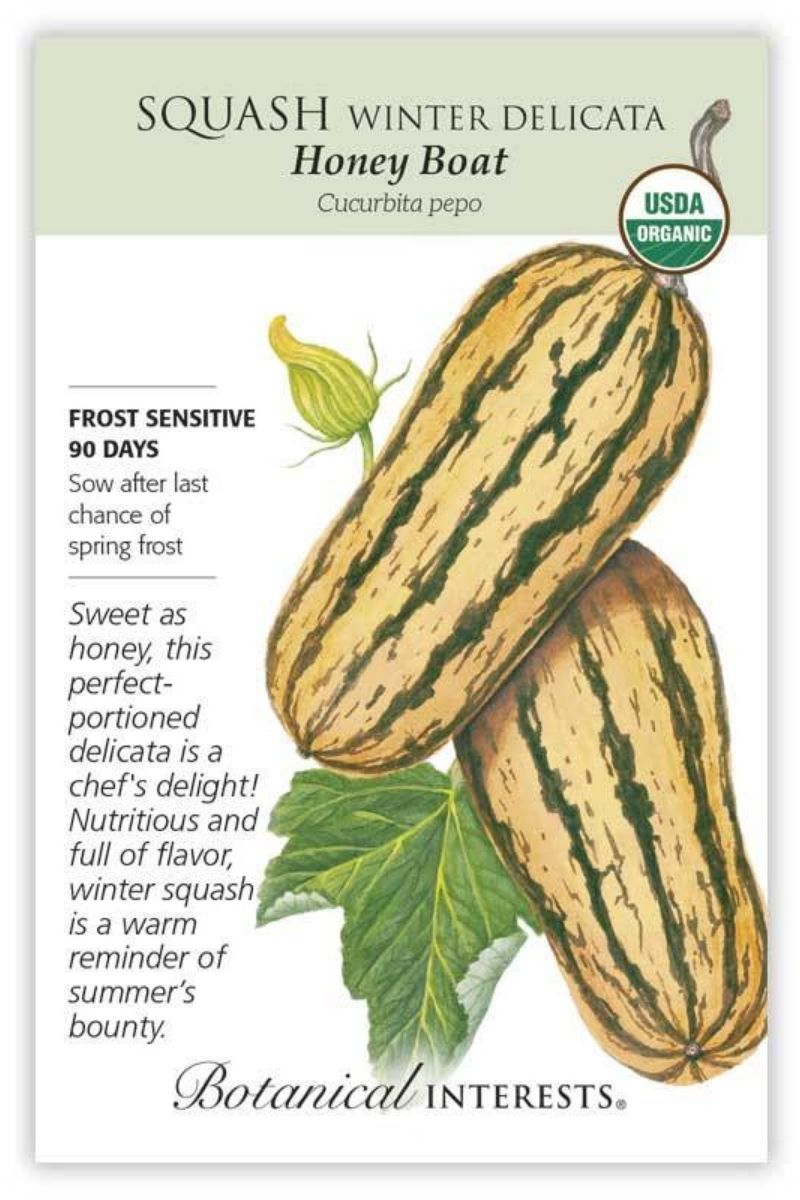
Pumpkin squash is a versatile and popular member of the gourd family, known for its vibrant orange color, sweet flavor, and diverse uses in both culinary and decorative applications. It's a nutrient-rich vegetable that can be incorporated into a wide range of recipes, from soups and stews to baked goods and desserts. In addition to its culinary benefits, pumpkin squash is valued for its health properties, including high levels of vitamins A and C, fiber, and antioxidants. With proper planting, care, and maintenance, you can enjoy abundant, healthy pumpkins throughout the fall season.
- Plant Type: Annual
- Genus: Cucurbita
- Species: Cucurbita
- Plant Height/Width: Takes up a lot of space!
- Season: About 100 days to a mature turban squash.
- Exposure: Full sun
- Difficulty: Easy


Funky squash is a term used to describe unique, visually interesting varieties of squash that stand out due to their unusual shapes, colors, and textures. These varieties may include heirloom, hybrid, or ornamental squashes, ranging from warty and ridged types to bright, multi-colored forms. They are popular among gardeners for their novelty, as well as their culinary and decorative appeal.
- Plant Type: Annual
- Genus: Cucurbita
- Species: sp.
- Plant Height/Width: Low growing vine
- Season: Low growing vine
- Exposure: Full Sun
- Difficulty: Easy

The Spider Flower (Cleome hassleriana), known for its delicate, spider-like blooms, is a stunning annual that adds height and charm to gardens. Native to South America, this plant is loved for its tall, airy structure, vibrant colors, and long-lasting blooms. The flowers attract pollinators such as bees, butterflies, and hummingbirds, making them an excellent choice for wildlife-friendly gardens. The Spider Flower is a stunning, easy-to-grow annual that adds height, color, and pollinator appeal to any garden. With its unique, spider-like blooms, it thrives in full sun and well-drained soil, making it low-maintenance and drought-tolerant once established.
- Plant Type: Annual (self-seeder)
- Genus: Cleome
- Species: Spinosa
- Plant Height/Width: 36-60' TALL
- Season: Blooms late spring to first frost
- Exposure: Full Sun
- Difficulty: Easy


Morning Glory is a fast-growing, stunning vine that enhances any garden with its vibrant trumpet-shaped blooms and lush foliage. Whether used for trellis decoration, erosion control, or pollinator attraction, this versatile plant is an easy addition to sunny landscapes.
- Plant Type: Annual (self-seeder)
- Genus: Ipomoea
- Species: Purpurea
- Season: Blooms summer into fall
- Exposure: Full sun to partial Shade


Hollyhocks are towering, majestic flowers known for their dramatic height, colorful blooms, and old-fashioned charm. These biennial or short-lived perennial plants can grow up to 8 feet tall, making them ideal for cottage gardens, borders, and backdrops. Hollyhocks are pollinator-friendly, attracting bees, butterflies, and hummingbirds. They thrive in full sun and well-drained soil, and though they are relatively easy to grow, they are susceptible to rust disease. Proper care and maintenance can ensure that these flowers bloom from mid-summer to early fall, creating a beautiful and nostalgic display in the garden.
- Plant Type: Biennial
- Genus: Alcea
- Species: Rosea
- Plant Height/Width: 6-8 feet tall, 1-2 feet wide
- Season: Blooms June - August
- Exposure: Full sun to part shade
- Difficulty: Easy
- Attribute: Attract Pollinators

Gazanias are prized for their ability to bloom profusely from late spring through fall, adding bursts of color to any landscape. Their striking flowers open in full sun and close during cloudy weather or at night. These easy-to-grow plants require minimal maintenance, making them an excellent choice for both novice and experienced gardeners.
- Plant Type: Annual
- Genus: Gazania
- Species: Sp.
- Plant Height/Width: Groundcover
- Season: Blooms summer into fall
- Exposure: Full Sun
- Difficulty: Easy


French Marigolds are vibrant, easy-to-grow annual flowers known for their bright blooms and pest-repellent properties. They come in shades of yellow, orange, red, and bi-color varieties, adding cheerful color to flower beds, containers, and vegetable gardens. Beyond their beauty, French Marigolds are valued for their ability to deter pests, making them an excellent companion plant for vegetables and herbs.
- Plant Type: Annual
- Genus: Tagetes
- Species: Patula
- Plant Height/Width: Up to 12"
- Season: Summer
- Exposure: Full sun
- Difficulty: Easy
- Attributes: Deter pests & attract pollinators


Evening Primrose is a striking biennial plant known for its delicate yellow blooms that open in the evening and attract nocturnal pollinators like moths and bees. This hardy and drought-resistant wildflower thrives in a variety of conditions, making it a valuable addition to both ornamental and naturalized landscapes. Apart from its aesthetic appeal, Evening Primrose has been used in traditional medicine and herbal remedies, particularly for its oil, which is rich in gamma-linolenic acid (GLA) and is believed to offer various health benefits.
- Plant Type: Biennial
- Genus: Oenothera
- Species: Biennis
- Plant Height/Width: up to 48"
- Season: Fall and Spring
- Exposure: Full sun
- Difficulty: Easy
- Attributes: Attract Pollinators


The Blue Cornflower (Centaurea cyanus), also known as Bachelor’s Button, is a charming and hardy annual flower known for its brilliant blue petals and delicate, ruffled appearance. Historically, the blue cornflower was a symbol of romance and used as a traditional boutonnière. Today, it remains a popular choice for wildflower gardens, pollinator habitats, and floral arrangements. These low-maintenance, resilient flower that adds striking blue hues to gardens and floral arrangements. Its ability to attract pollinators, resist drought, and self-seed makes it a favorite among gardeners.
- Plant Type: Annual
- Genus: Centaurea
- Species: Cyranus
- Plant Height/Width: 12–48 in. tall, 10–12 in. wide
- Season: Bloom time spring summer
- Exposure: Sun
- Difficulty: Super Easy

Once cured, hard-shelled gourds, such as Corsican, will last indefinitely and can be painted, carved, cut, or drilled as you would do with wood for dozens of craft projects. Carve them, leave the natural color, or paint these 6"–10" round and 3½"–5" deep gourds any color you want. Gourds may be sown 24" apart if trellised.
When to Sow Outside: RECOMMENDED. 2 to 4 weeks after your average last frost date, and when soil temperature is at least 60°F, ideally 70°F.
When to Start Inside: 2 to 4 weeks before your average last frost date, recommended for areas with short growing seasons. Sow in biodegradable pots that can be planted directly in the ground.
Days to Emerge: 5 – 10 days
Seed Depth: 1"
Seed Spacing: 2–3 seeds per mound
Thinning: When several leaves, thin to 1 per mound

Once properly cured, hard-shelled gourds, such as 'Birdhouse', can last for decades and can be painted, carved, cut, or drilled as you would do with wood, for hundreds of craft projects. 'Birdhouse' gourd of course makes a great birdhouse—leave natural or paint any color you want. Grow 10'–16' vines on the ground or up a very sturdy trellis to produce mature gourds in 80 to 140 days. Also attracts hummingbirds!
When to Sow Outside: RECOMMENDED. 2 to 4 weeks after your average last frost date, and when soil temperature is at least 60°F, ideally 70°F.
When to Start Inside: 2 to 4 weeks before your average last frost date, recommended for areas with short growing seasons. Sow in biodegradable pots that can be planted directly in the ground.
Days to Emerge: 5 – 10 days
Seed Depth: 1"
Seed Spacing: 4 seeds per mound
Thinning: When 3" tall, thin to 3 per mound

Not only Irish eyes will smile at this unusual plant. Its bright green bells with their tiny white "clappers" are always a conversation piece. Turns straw-colored when dry—a very valuable, long-lasting dried flower. The strain in this packet was selected for its superior cut and/or dried flower use. Reseeds, often producing new plants the following year from self-sown seeds.
When to Sow Outside: RECOMMEDED. 2 to 4 weeks before your average last frost date for chilling period. Seeds will germinate when soil temperature is above 50°F.
When to Start Inside: 6 to 8 weeks before your average last frost date. Sow in 3" biodegradable pots; roots sensitive to disturbance.
Days to Emerge: 15–35 days
Seed Depth: Press into surface
Seed Spacing: A group of 3 seeds every 12"
Thinning: When 2" tall, thin to 1 plant every 12"

One of the most popular hollyhocks of all time, 'Chater's Double' was named after the English horticulturist, Chater of Essex, who developed this variety in 1880s. Colors include golden-yellow, rose, maroon, salmon-pink, scarlet, and white. Flowers have a long bloom period and are edible! Fairly drought tolerant but performs best with ample moisture and rich soil.
When to Sow Outside: RECOMMENDED. 1 to 2 weeks after your average last frost date, or 2 months before your average first fall frost date.
When to Start Inside: 6 to 8 weeks before your average last frost date. Roots are sensitive to disturbance; sow in biodegradable pots that can be planted in the ground.
Days to Emerge: 10–14 days
Seed Depth: Press into surface
Seed Spacing: A group of 3 seeds every 24"–36"
Thinning: When 3" tall, thin to 1 every 24"–36"
Showing 28/38
Next
Have questions?
Shopping Consultation
Now you can book an in-person appointment with one of our product experts who'll help you find everything you need prefect for your home and garden, including outdoor and indoor plants, garden essentials, furniture, home décor, pet food and accessories, apparel, bath + body, and much more.
You Recently Browsed ...


