
Shrubs (for programming)
781 products
Sort by:
781 products
781 products

A striking, compact dwarf variety with showy flat-topped clusters of creamy white flowers in spring followed by masses of bluish-black berries; lustrous leaves turn a bright raspberry red fall color, rugged and adaptable


Dart's Gold Ninebark features showy clusters of white flowers at the ends of the branches from late spring to early summer. It has attractive chartreuse deciduous foliage which emerges gold in spring. The serrated lobed leaves are highly ornamental and turn an outstanding orange in the fall. It produces red capsules from early to mid fall. The peeling tan bark adds an interesting dimension to the landscape.

Experience vibrant and luscious gardens in the Chicago area with the Viburnum, Aurora. This beautiful plant offers ornamental benefits with its stunning clusters of pink and white aromatic flowers. Its resilience in harsh winter weather makes it a perfect addition to any garden. It is a cultivar of the Korean Spice Viburnum.
Mature Height: 4’ to 6’; can reach 8’ in optimum conditions
Mature Width: 4’ to 6’
Sunlight: Full sun to part shade
Soil: Well drained
Hardiness Zone: 4 - 7


Gold Mound Spirea earns its name with a season-long show of brilliant golden-yellow foliage that lights up borders and mixed plantings from spring through fall. At just 24–36 inches tall and 3–5 feet wide, this tidy mounding shrub is perfectly scaled for edging beds or anchoring a mass planting in full sun. Soft pink flowers appear in summer, hovering above the glowing foliage in a charming contrast. Fall brings a warm golden finish before the leaves drop, extending the interest well into autumn. Resistant to deer, insects, and disease, it’s a dependable performer that handles tough spots without complaint. It tolerates Black Walnut, making it a flexible choice for challenging garden sites. A go-to shrub for a burst of low-maintenance color all season long.

Forsythia ‘Lynwood Gold’ is the definitive herald of Michigan spring, draping every arching branch in brilliant golden-yellow blossoms before a single leaf appears. Its vigorous, fountaining habit makes it a showstopper along borders and fence lines, delivering an annual curtain of color that signals the end of winter with unmistakable flair. Deer, rabbit, pest, and disease resistant, it rewards minimal care with dependable season-after-season performance in full sun. Hardy through the coldest winters and tolerant of Black Walnut root competition, ‘Lynwood Gold’ is a proven Great Lakes landscape stalwart.

Tall, upright, early blooming lilac with double rose-pink buds that open to fragrant, pale-pink double blooms contrasted by dark green heart-shaped foliage. Used as a hedge or screen plant. Prefers a moist, well-drained soil. Drought tolerant once established.

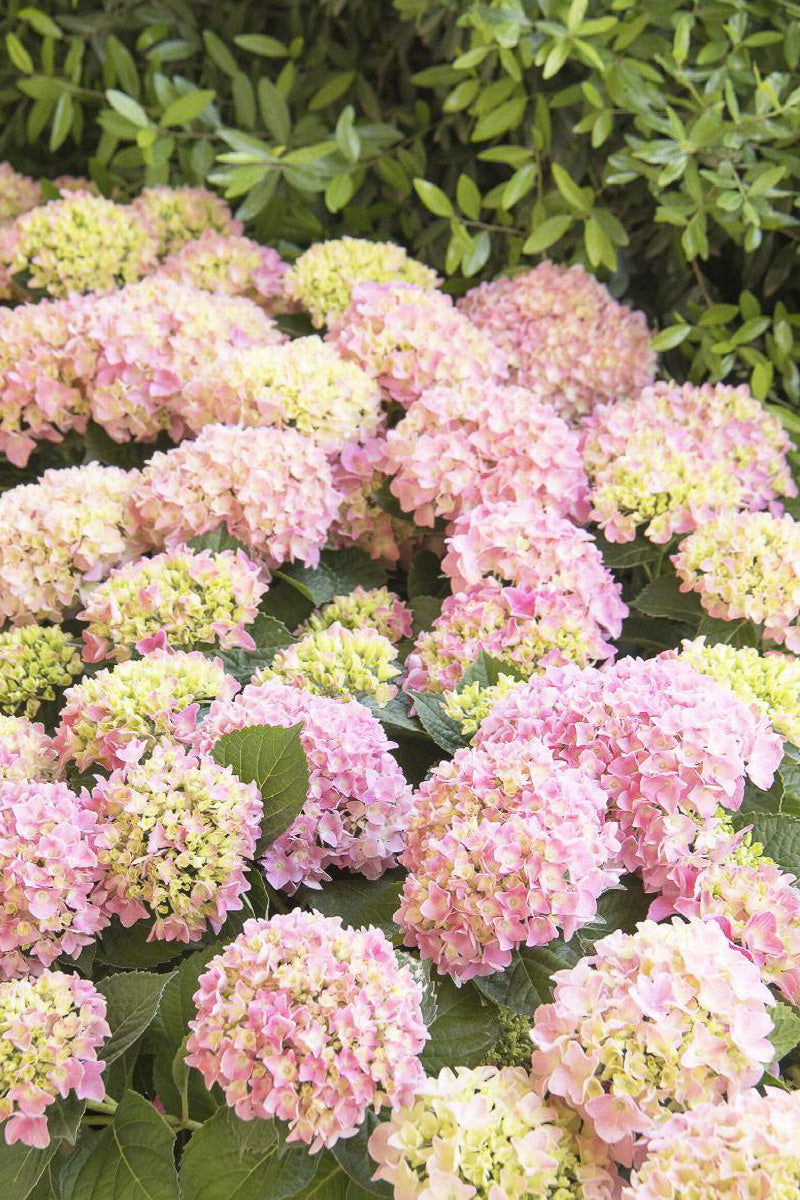
A hardy, compact, repeat blooming machine with big, pink, mophead flowers, extra-dark green leaves, and a neat, mounded form. Perfect for foundations and borders. Harvest blooms for long-lasting cut floral arrangements. Deciduous.

An attractive, re-blooming shrub featuring deep pink-red lacecap flowers with creamy centers, that turn more blue in acid soil; re-blooms on new and old wood; deep green leaves turn burgundy in fall

Japanese Climbing Hydrangea Roseum brings elegance to shaded structures that few vines can match, clinging naturally to walls, fences, and tree trunks as it climbs to impressive heights. Fragrant white flower clusters grace the vine through the summer months, creating a soft, romantic display against its lush green foliage. In autumn the leaves shift to warm shades of yellow-gold and copper-bronze before dropping. The distinctive peeling bark adds year-round texture and winter interest even after the foliage is gone. This slow-to-establish but long-lived climber is highly resistant to deer, rabbits, insects, and disease, and tolerates Black Walnut. Best in partial shade with consistent moisture, it thrives in challenging spots where many other vines struggle. Plant it knowing it will reward patience with decades of beauty.


Meadowlark is a big, robust Forsythia with very hardy flower buds. Arching branches are smothered in bright yellow flowers in April, before the leaves emerge. Dark green, trouble-free leaves may turn burgundy and yellow in fall. Give this rapid grower plenty of space to develop naturally, as it doesn't look its best when sheared. The long stems are great for forcing. Great in mixed shrub borders for its sensational early spring flowers.

Bonus Blueberry is a medium-sized shrub that is commonly grown for its edible qualities. It produces clusters of blue round berries which are usually ready for picking in mid summer. The berries have a sweet taste and a juicy texture.
The berries are most often used in the following ways:

Wedgewood Blue Lilac features showy panicles of fragrant sky blue flowers rising above the foliage in mid spring, which emerge from distinctive purple flower buds. The flowers are excellent for cutting. It has bluish-green deciduous foliage. The heart-shaped leaves do not develop any appreciable fall color.

Honeycrisp Apple has earned its reputation as one of the most beloved apple varieties in the world, combining an extraordinary crisp, juicy texture with a perfectly balanced sweet-tart flavor that makes every bite an event. White spring blossoms are a beautiful ornamental display, and the vase-shaped tree reaches 20–30 feet at maturity in full sun. Fruit ripens from early to midfall, and the gorgeous red apples are outstanding for fresh eating — though they preserve, bake, and juice beautifully as well. Rich burgundy and gold fall foliage adds seasonal color after harvest. Cold-hardy and reliable, Honeycrisp is a natural fit for Midwestern home orchards. For best fruit production, plant with a compatible pollinator variety nearby.


Snippet® Dark Pink Reblooming Weigela features showy clusters of hot pink trumpet-shaped flowers with white anthers along the branches from late spring to mid fall, which emerge from distinctive crimson flower buds. It has green deciduous foliage. The glossy pointy leaves do not develop any appreciable fall color.

Reliance Seedless Grape is one of the most reliable and productive home-garden grapes for northern climates, producing abundant clusters of medium-sized, sweet, juicy red-rose grapes with excellent flavor from midsummer through late summer. A vigorous climbing vine reaching 9–15 feet with support, it covers arbors, fences, and pergolas in full sun with lush deciduous foliage that turns stunning red-burgundy and copper-bronze in fall. Seedless and easy to eat fresh, Reliance grapes are also excellent for jams, juice, and wine-making. Insect-resistant and disease-resistant, it’s a dependable choice for gardeners who want a low-fuss fruiting vine. Birds are drawn to the harvest, so netting before peak ripeness is worthwhile. Tolerates Black Walnut and handles erosion-prone sites, making it a genuinely flexible and productive landscape plant.

A neat, ball-shaped and mounded shrub which features blue-green foliage, small yellow flowers in spring and red berries in fall; excellent choice for use in groups or as a natural hedge because of its consistent shape; easy to grow and very adaptable


Viburnum cassinoides is commonly called witherod viburnum. Withe (from Old English) means flexible twig and rod means slender shoot or stem. It is native primarily to northeastern North America (hence the occasional common name of northern witherod) where it is typically found in low woods, fields, swamps, marshes, pond peripheries and bogs.
SMNVCDD’, sold under the trade name of LIL DITTY, is a new dwarf cultivar characterized by its vigorous compact growth habit. It is a product of a planned breeding program with parents of Viburnum nudum var. cassinoides, developed for uniform and compact plants. Its upright, mounding and outwardly spreading plant habit branches freely. Numerous fragrant creamy white puffball flowers bloom in late spring followed by masses of small round green berries that turn to pink, red and finally black by autumn.
Mature Height: 1’ to 2’
Mature Width: 1’ to 2’
Sun: Full sun to Part shade
Soil: Prefers moist loam
Hardiness Zone: 3 to 8
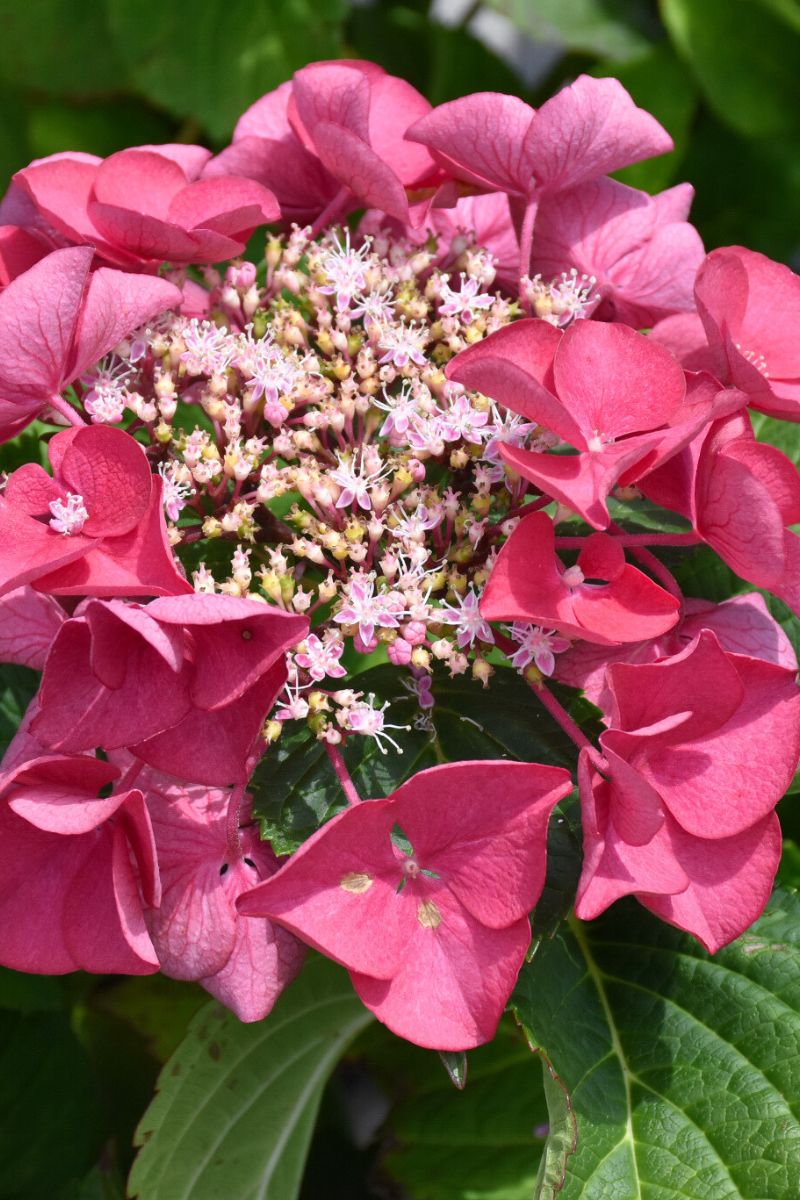
Cherry Explosion™ Hydrangea features bold cherry red lacecap flowers with shell pink centers at the ends of the branches from mid spring to mid fall. The flowers are excellent for cutting. It has dark green deciduous foliage. The glossy pointy leaves turn burgundy in fall.

Love the color pink? Get plenty of it with this strong performing hydrangea. It blooms in mid to late summer, and has a beautiful colorway from the moment it blooms to the day it finally dries, without ever going murky or dull. You won't have to deadhead either, the dried flower heads are a beautiful accent in the winter garden. You'll find it's easy to care for, as it's a cultivar of our native arborescens and produces nice clean foliage in North American gardens. It's great in a hedge, a long-lasting perennial accent and a delight in a large patio pot.
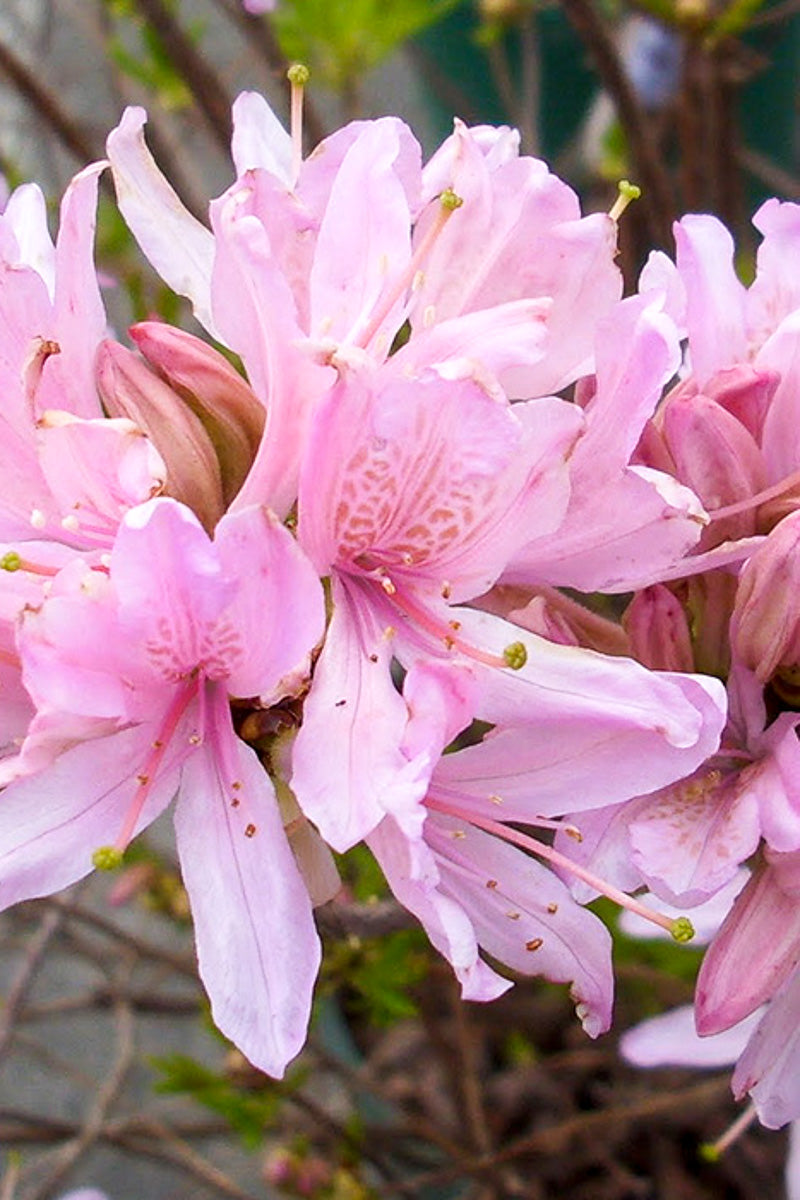
‘Western Lights’ was developed from the Northern Lights™ ‘Orchid Lights’ azalea, producing larger flowers and more vigorous foliage. ‘Western Lights’ trumpet shaped lavender-pink blossoms offer a showy display for shaded areas. Its lush green foliage turns maroon in the fall, offering a bit of seasonal interest for the landscape. This compact deciduous shrub is fragrant and attracts a variety of pollinators including hummingbirds, butterflies, and birds.

A revolutionary new blackberry variety! The best of eastern and western blackberry genetics have been crossed to create Twilight, a new distinctive, hardy, thornless, semi-erect blackberry variety out of Oregon State. It is fairly early ripening for a semi-erect blackberry, and it produces large sized, very firm berries with durable, glossy midnight purple skin and a distinguished crisp textured "pop" when eaten! Less bleeding and handles better than other blackberry cultivars.

Pussywillow is a beloved harbinger of spring, producing the iconic soft, silver-gray catkins that appear on bare branches before the leaves emerge and signal winter’s end like nothing else in the garden. Growing 9–15 feet with graceful, weeping branches, it makes a beautiful focal point near water features, rain gardens, or naturalized areas in full sun. Fresh green foliage follows the catkins and holds through summer, turning warm gold and copper-bronze in fall. The cut branches are prized for spring arrangements — snip a few before the catkins fully open and bring them indoors. A native-region plant that supports birds and wildlife, it tolerates wet soils, erosion-prone sites, and Black Walnut with ease. A truly special shrub that connects us to the season’s first stirrings of life.
Showing 448/781
Next
Have questions?
Shopping Consultation
Now you can book an in-person appointment with one of our product experts who'll help you find everything you need prefect for your home and garden, including outdoor and indoor plants, garden essentials, furniture, home décor, pet food and accessories, apparel, bath + body, and much more.
You Recently Browsed ...


