
Plants for Pollinator Gardens
Take part in sustainable gardening by adding pollinator-friendly plants to your garden. In addition to plants, we offer a wide range of items that attract and protect pollinators. Shop here.
35 products
Sort by:
35 products
35 products


Raspberry Smoothie Rose of Sharon delivers a generous flush of semi-double blooms in rich raspberry tones from midsummer through fall, just when the garden needs a burst of late-season color. Its upright habit keeps it tidy and polished — growing 3–5 feet tall and spreading 5–8 feet wide, it’s well-proportioned for hedges, borders, or layered shrub plantings in full sun. Butterflies, hummingbirds, and bees are reliably drawn to the flowers through the long bloom season. Deep green foliage holds cleanly through summer without developing appreciable fall color. Resistant to deer and rabbits, it’s a dependable choice for gardens where browsing pressure is a concern. Tolerates Black Walnut and cold conditions, making it a versatile performer for Midwestern landscapes.


Aphrodite Rose of Sharon features bold pink trumpet-shaped flowers with dark red throats along the branches from mid summer to early fall. It has green deciduous foliage. The lobed leaves do not develop any appreciable fall color.

Kodiak ® Red diervilla is a native flowering shrub that looks great while shrugging off shade and problem soils. New growth emerges in spring with a deep burgundy tone, and turns vivid red in fall. During summer, leaves have a red edge and clusters of small yellow flowers appear all season. It's a simple but beautiful way to add low-maintenance color to parts of your yard that have been difficult to landscape.

This non-invasive variety of a native honeysuckle is a durable shrub with fantastic foliage and long-lasting yellow flower clusters. Grows in a dense, spreading mound. New leaves emerge orange, mature to green, then turn an incredible glowing orange-red in fall. Starting in May, clusters of yellow flowers at the branch tips bloom for many weeks and attract scores of butterflies, hummingbirds and pollinators. Adaptable to different conditions, including shade, although flowering will be diminished. Stunning planted in groups in foundations, shrub borders and natural settings.
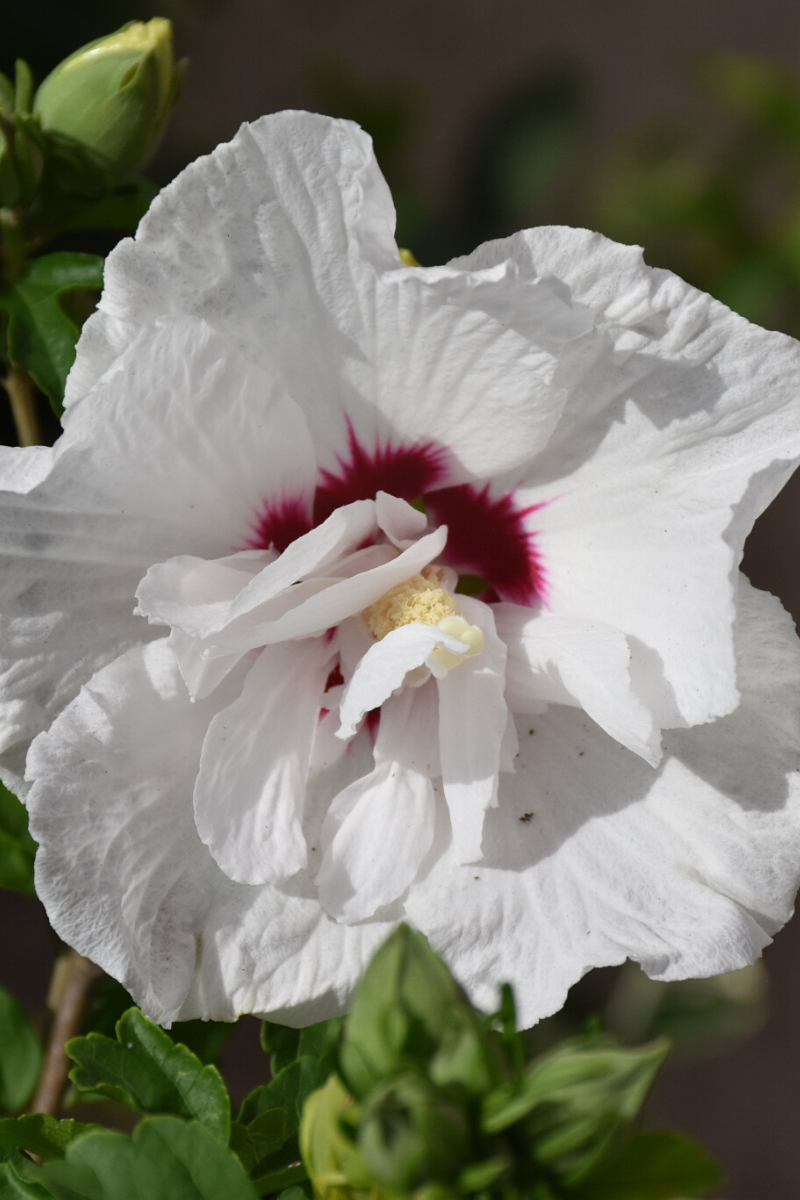
Bali Rose of Sharon is a stunning late-summer shrub that bears bold, semi-double white flowers with dramatic deep red throats from midsummer through early fall, creating an eye-catching display when much of the summer garden has peaked. Growing 5–9 feet tall with an upright habit and spreading 8–11 feet wide, it serves beautifully as a hedge, accent specimen, or mass planting in sun to partial shade. The large, showy blooms attract butterflies and hummingbirds in abundance, making it a standout for wildlife-friendly gardens. Green foliage transitions to warm red-burgundy and copper-bronze tones in fall, extending the season’s interest. Resistant to deer, rabbits, insects, and disease, it’s a reliable, low-maintenance shrub that cold-hardy gardens can count on. Train it as a small tree standard for a truly elegant landscape focal point.

Outstanding semi-double blooms are soft pink with a deep red center. A tall, stiffly upright shrub with vase shape habit. Has extremely showy flowers throughout summer.This is a high maintenance shrub that will require regular care and upkeep. It's best pruned in late winter once the threat of extreme cold has passed. A great choice for attracting butterflies and hummingbirds to your yard, but is not particularly attractive to deer who tend to leave it alone in favor of tastier treats.
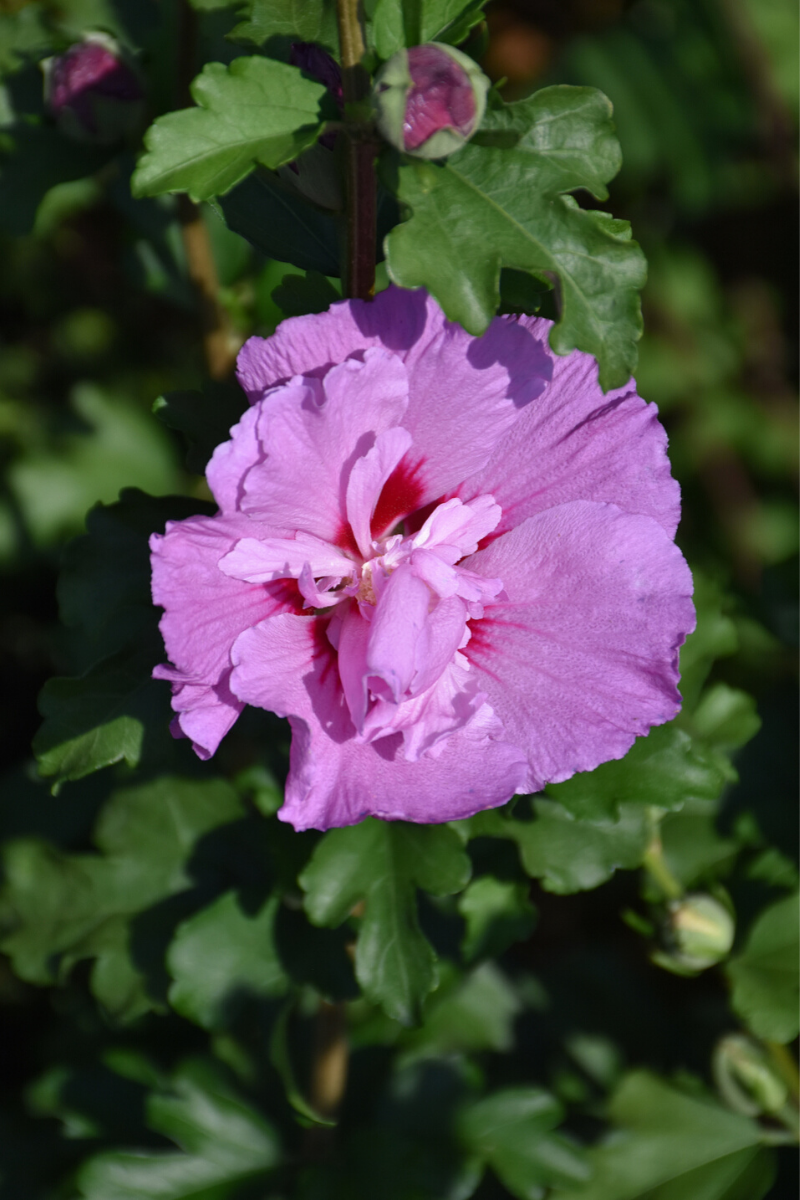
Tahiti Rose of Sharon: tall, showy shrub with vibrant, fuchsia flowers; thrives in full sun; attracts butterflies and hummingbirds; resistant to deer; suitable for a variety of landscapes. Perfect for pot or landscape use, Tahiti Rose of Sharon grows well in full sun to partial shade, average to moist soil, and tolerates urban pollution. It's also a great "thriller" plant in container gardens.

An extremely vigorous vine, excellent for quick screening, almost invasive; highly interesting purple flowers and oddly shaped fruit, often lost in the foliage; large leaves provide good shade for pergolas or arbors. Dutchman's Pipe features unusual light green tubular flowers along the branches in mid spring. It has dark green foliage throughout the season.

This non-invasive variety of a native honeysuckle is a durable shrub with striking foliage and long-lasting yellow flower clusters. Grows in a dense, spreading mound. New leaves emerge burgundy black, maturing to purplish green in summer, then back to rich purple in fall. Starting in May, clusters of yellow flowers at the branch tips bloom for many weeks and attract scores of butterflies, hummingbirds and pollinators. Adaptable to different conditions, including dry shade, although flowering will be diminished. Stunning planted in groups in foundations, shrub borders and natural settings.

A variegated mock orange that has splashed white on dark green leaves. The flowers are 2 inches across and are pure white. Makes a nice change from the typical mock oranges.
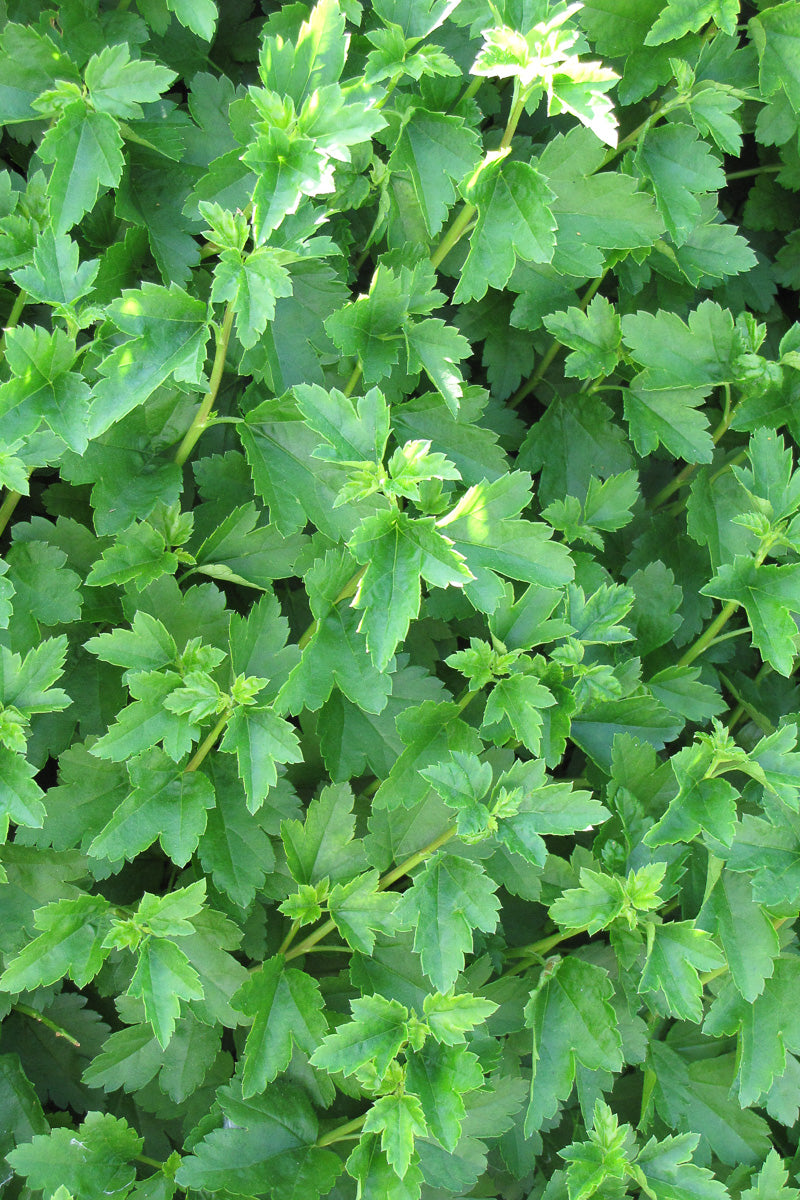


Alpine Currant has rich green deciduous foliage on a plant with a round habit of growth. The lobed leaves turn yellow in fall. It produces red berries from late spring to early summer.


Pagoda Dogwood has clusters of fragrant creamy white flowers held atop the branches in late spring. It has emerald green deciduous foliage. The pointy leaves turn an outstanding burgundy in the fall. It produces navy blue berries in mid summer.

This compact, sterile variety produces neat mounds of aromatic gray-green foliage, above which masses of lavender blue flower spikes rise in a visual feast; long blooming from late spring through summer; great for borders

Swamp Milkweed has fuchsia flat-top flowers with rose overtones at the ends of the stems from mid summer to early fall. The flowers are excellent for cutting. Its narrow leaves remain grayish green in color throughout the season.

This easy to grow, adaptable Nativar (variety of a Native Plant) is a magnet for the Monarch butterfly, bees and beneficial insects! Clouds of fragrant white flower clusters in August cover an upright mound of dark green foliage. Mingles well with moist soil-lovers such as Aster, Joe Pye Weed and Cardinal Flower. Keep in mind that Monarch caterpillars will munch on the leaves! For best results keep soil moist during dry spells.

Rosin Plant is a true prairie original, prized by gardeners who love a landscape with authentic native character. A Midwest prairie native, it forms sturdy, upright clumps of bold green foliage that hold their presence from spring through summer. It settles in happily in full sun with average moisture and, once rooted, stands up to heat and lean soil with classic prairie resilience. Deer and rabbits typically leave it alone, making it an easygoing choice for naturalized plantings and restoration-style gardens. Use it as a structural accent among grasses and other natives, where its upright form lends height and backbone to the planting. It’s a wonderful way to bring a piece of the tallgrass prairie home.

Steeplebush has spires of showy pink flowers and beautiful foliage that turns bright gold and auburn in fall. This native forms a colony of upright, slender, wand-like plants. Plant it three feet on center to create a low hedge. Requires a moist setting and is well suited for planting along around ponds, in rain gardens, in naturalized swale or detention areas, or included in a water garden/feature.
It prefers full sun, but light shade is ok. Faded flower clusters can be removed to encourage additional bloom. It flowers on new wood, so prune in late winter to early spring if needed.

Magic Carpet Spirea features showy clusters of hot pink flowers at the ends of the branches from late spring to early summer. It has attractive yellow deciduous foliage which emerges tomato-orange in spring. The small serrated pointy leaves are highly ornamental and turn an outstanding scarlet in the fall.

Upscale™ Lavender Taffeta Beebalm has masses of beautiful clusters of fragrant lavender flowers with purple overtones at the ends of the stems from mid summer to early fall, which are most effective when planted in groupings. The flowers are excellent for cutting. Its fragrant pointy leaves remain dark green in color throughout the season.

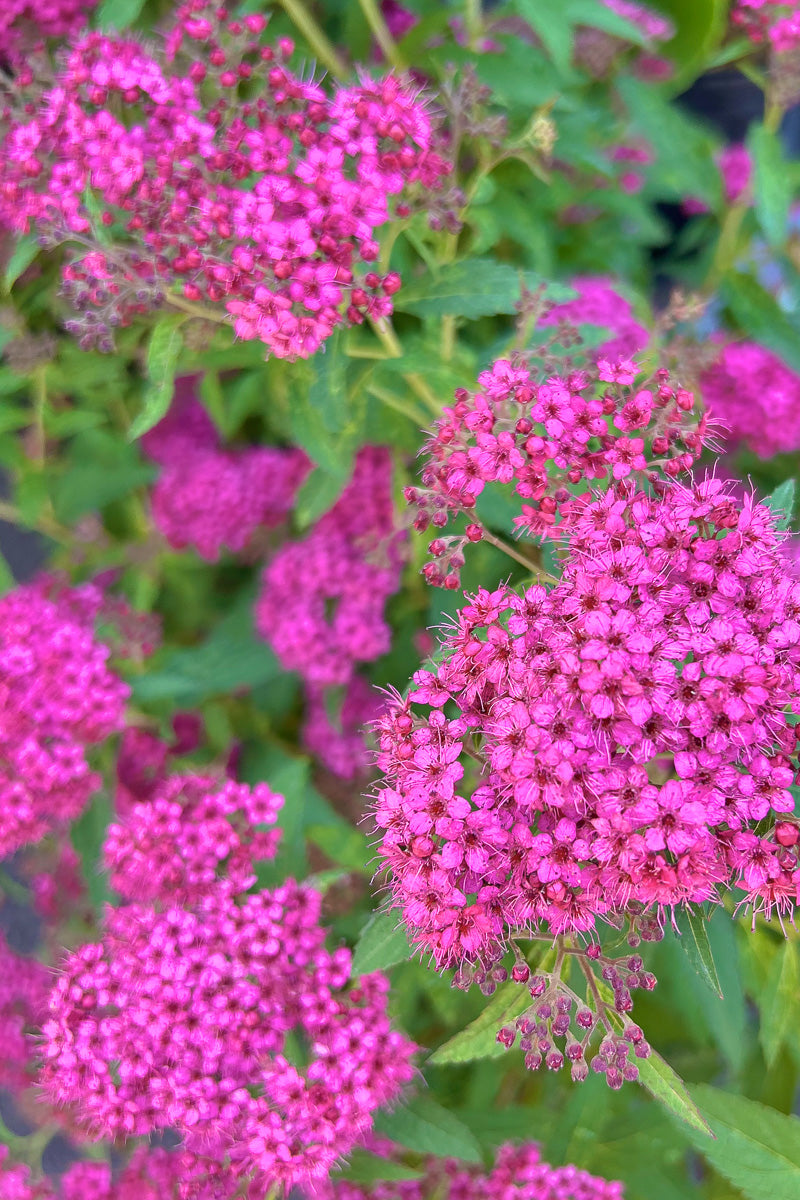

Neon Flash Spirea is covered in stunning clusters of cherry red flowers at the ends of the branches from late spring to early summer. Then in fall, it turns to a beautiful purplish color. It has attractive forest green deciduous foliage which emerges red in spring. The small serrated pointy leaves are highly ornamental and turn an outstanding coppery-bronze in the fall.

An unusual garden shrub in that it features highly attractive flat-topped flowers in combinations of red, pink and white all on the same plant, held above the foliage in early summer; upright and mounded, makes an ideal color accent or garden detail shrub
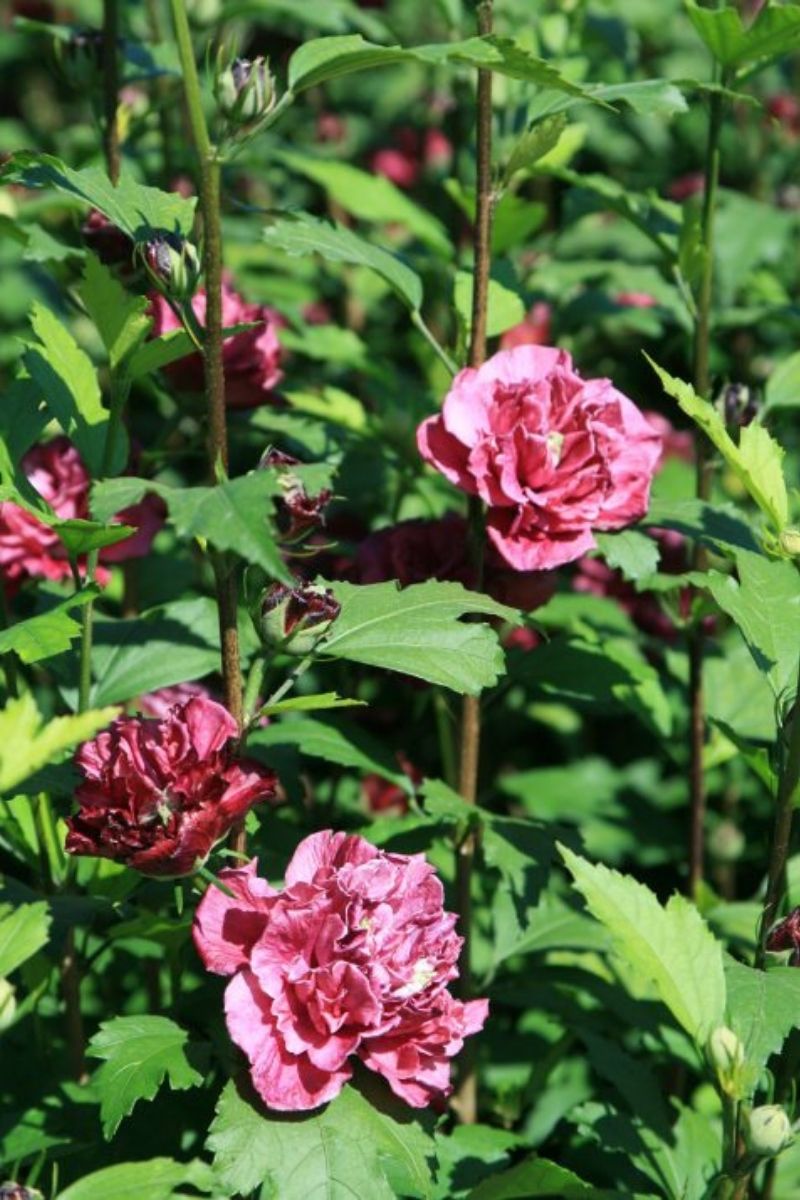
For eight weeks in summer, French Cabaret Red has clusters of three to five richly saturated red double flowers that resemble carnations. Deep red flower buds open to 2†diameter pompom flowers. Upright and vigorous growth habit.


Cheyenne Spirit Coneflower has masses of beautiful lightly-scented orange daisy flowers with red overtones and coppery-bronze eyes at the ends of the stems from mid summer to mid fall, which are most effective when planted in groupings. The flowers are excellent for cutting. Its pointy leaves remain green in color throughout the season.

PowWow White Coneflower has masses of beautiful lightly-scented white daisy flowers with coppery-bronze eyes at the ends of the stems from mid summer to early fall, which are most effective when planted in groupings. The flowers are excellent for cutting. Its pointy leaves remain green in color throughout the season.

Grand Cascade Butterfly Bush features showy panicles of fragrant lavender flowers with purple overtones at the ends of the branches from mid summer to early fall. The flowers are excellent for cutting. It has grayish green deciduous foliage. The narrow leaves do not develop any appreciable fall color. Light lavender purple flower panicles are enormous at 12-14" long and 4" thick. Their passive coloring and texture makes a wonderful backdrop for perennials, and you'll love the butterflies, bees, and hummingbirds that flock to their honey-scented blossoms.
Showing 27/35
Next
Have questions?
Shopping Consultation
Now you can book an in-person appointment with one of our product experts who'll help you find everything you need prefect for your home and garden, including outdoor and indoor plants, garden essentials, furniture, home décor, pet food and accessories, apparel, bath + body, and much more.


