
Fruit Trees
Buy One Get One Free on all Fruit Trees.
32 products
Sort by:
32 products
32 products


A stunning variety with beautiful foliage and white-pink bell-shaped flowers in spring, clusters of blue berries in summer and a turquoise tint in fall, it has features for every season. It is very fussy about its soil conditions and must have sandy, acidic soils to ensure success

Heritage Red Raspberry is one of the most dependable and productive varieties available, delivering two generous harvests in a single season — a moderate crop in early summer and a heavier, more flavorful crop in fall. Bright red berries have outstanding aroma and sweetness, making them a joy to eat fresh and perfect for freezing, canning, and pies. Growing 3–5 feet tall with an upright habit, Heritage fits neatly into borders, vegetable gardens, or dedicated fruiting beds in full sun with moderate water. Disease-resistant canes are tough and reliable season after season, and birds will appreciate the harvest as much as you do. Its virtually everbearing nature makes it especially rewarding for gardeners who want a long picking window. A proven classic that’s earned its place in home gardens for generations.


‘Perpetua’ will give you two crops of sweet and delicious blueberries! The first fruit will appear in mid-summer, and then the plant will flower and set fruit a second time in the fall. The leaves are dark green and will turn to deep reds and greens in the winter, making it a beautiful addition to any landscape.
Height: 5 feet
Spread: 5 feet
Sunlight:
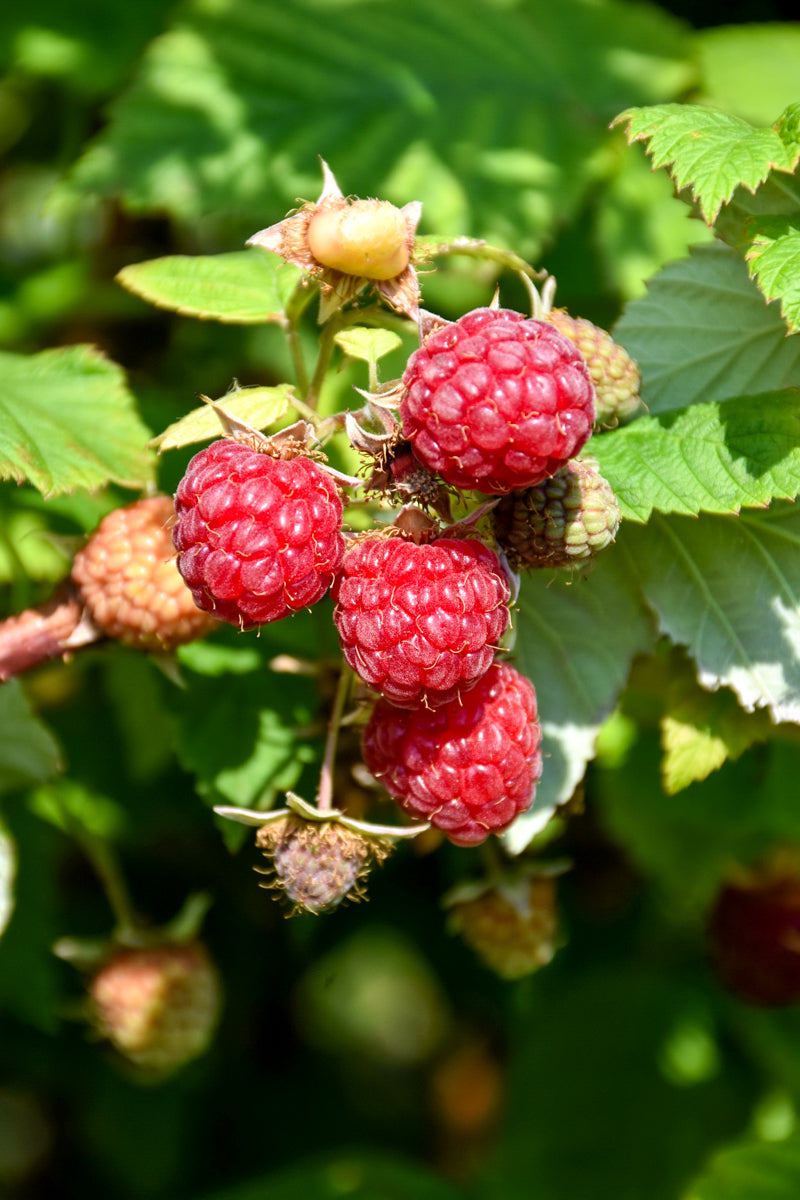
Boyne Raspberry is a cold-hardy, early-bearing variety that delivers reliable crops of medium-sized, sweet, juicy red berries beginning in early to midsummer. Named after a river in Manitoba, it was bred for exceptional winter hardiness — a natural choice for northern gardens where other varieties struggle to thrive. The upright-trailing canes grow 3–5 feet tall and produce best with light support and full sun exposure. Disease-resistant and proven over decades of performance, Boyne is a no-fuss fruiting shrub that rewards gardeners with a dependable summer harvest year after year. White spring flowers bring pollinators and butterflies before the fruit sets. A true workhorse variety for anyone serious about growing raspberries in cold climates.

Bing Cherry is perhaps the most iconic sweet cherry in the world, beloved for its large, heart-shaped, dark mahogany-red fruit with a rich, intensely sweet flavor and firm, satisfying texture. White spring blossoms are a spectacular ornamental display before the fruit sets, and the graceful vase-shaped tree grows 15–20 feet tall in full sun. Cherries typically ripen in early to midsummer and are outstanding for fresh eating as well as cooking, baking, preserves, and canning. Birds are enthusiastic competitors for the harvest — netting the tree as fruit ripens is worthwhile. Cold-hardy and adaptable, Bing Cherry brings the romance of a classic orchard tree to the home landscape. For the best crop, plant alongside a compatible pollinator variety such as Stella or Rainier.

The Elberta Peach is considered to be one of the more active peach trees, and can produce up to 150 pounds of peaches in one season. In addition to its peaches, it blooms each spring with an abundance of vibrant pink and purple flowers, followed by its harvest season around early to mid-July. Its tender sweet freestone peaches can be enjoyed a variety of different ways, and are exceptionally delicious in cobblers and pies.

Honeycrisp Apple has earned its reputation as one of the most beloved apple varieties in the world, combining an extraordinary crisp, juicy texture with a perfectly balanced sweet-tart flavor that makes every bite an event. White spring blossoms are a beautiful ornamental display, and the vase-shaped tree reaches 20–30 feet at maturity in full sun. Fruit ripens from early to midfall, and the gorgeous red apples are outstanding for fresh eating — though they preserve, bake, and juice beautifully as well. Rich burgundy and gold fall foliage adds seasonal color after harvest. Cold-hardy and reliable, Honeycrisp is a natural fit for Midwestern home orchards. For best fruit production, plant with a compatible pollinator variety nearby.


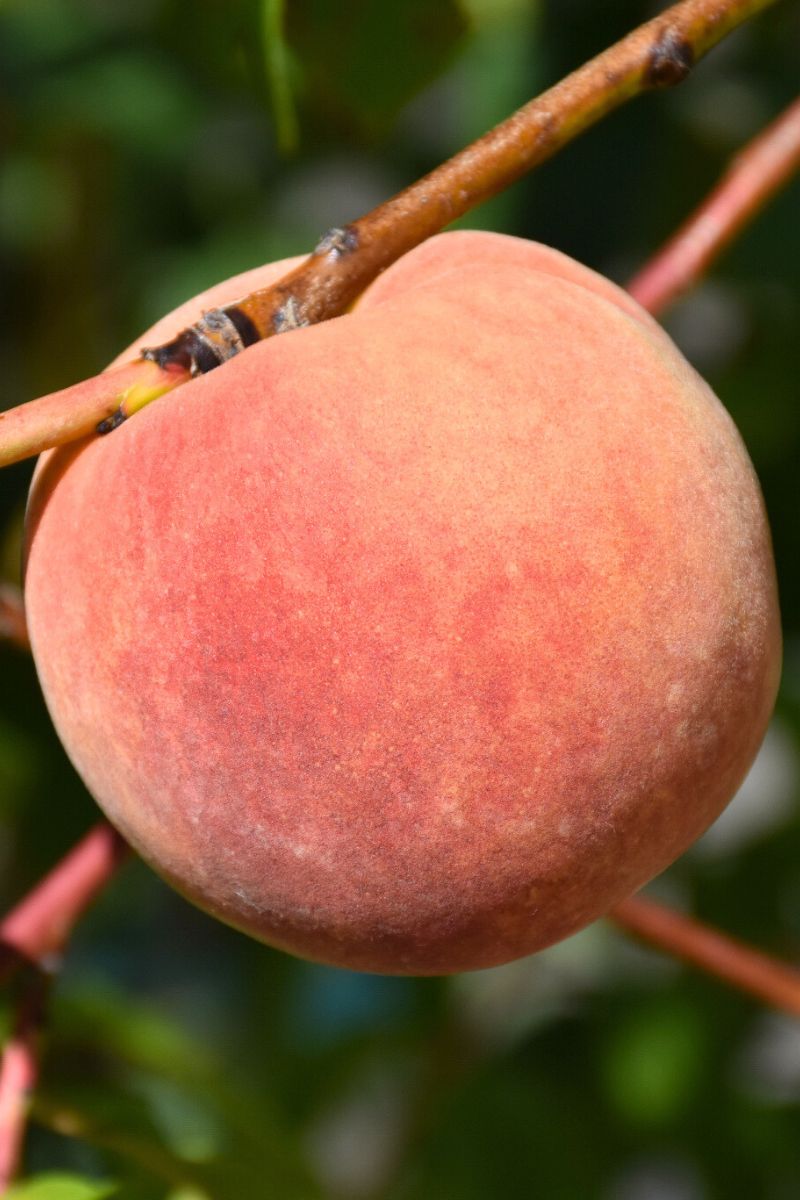
Red Haven Peach is a beloved Midwestern classic, prized for its firm, sweet, semi-freestone yellow flesh with a beautiful red blush that makes it one of the most attractive peaches at harvest. Fragrant pink blossoms in spring are ornamentally stunning before the fruit sets, and the tree grows 15–20 feet with a graceful vase-shaped habit in a sunny location. Fruit typically ripens in midsummer and is exceptional eaten fresh, frozen, baked into pies, or canned for the pantry. Moderate water needs and cold tolerance make it well-suited for the Midwest, where it has been a reliable backyard favorite for generations. Birds are drawn to the harvest, adding wildlife interest through the summer season. A classic, versatile peach that rewards with abundant, beautiful fruit year after year.
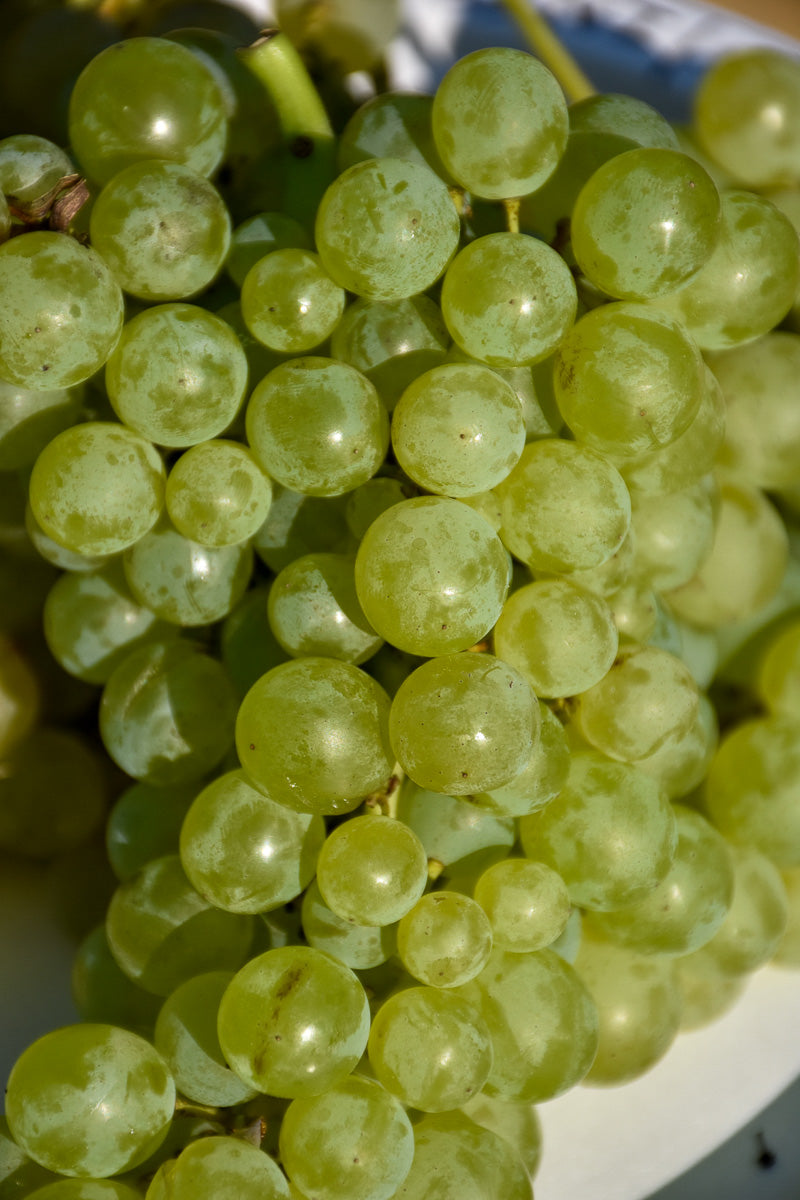
Himrod Grape is a woody vine that is commonly grown for its edible qualities. It produces large clusters of green round fruit with gold overtones which are usually ready for picking from mid to late summer. The seedless fruits have a sweet taste.
The fruit are most often used in the following ways:

Cherry Combo is a grafted multi-variety cherry tree that brings the joy of a home orchard to a single, beautiful specimen, with two or more compatible cherry varieties sharing one trunk for cross-pollination and an extended harvest season. Pink spring blossoms open in abundance, making it ornamentally striking before the fruit even sets, and birds will flock to it through the summer harvest. Growing 15–20 feet with an elegant vase-shaped form, it makes a graceful focal point in a sunny yard or orchard planting. Having multiple varieties on one tree means a longer, more staggered picking window, maximizing your fresh-cherry season. Cold-hardy and adaptable, it thrives with moderate water and full sun exposure. The perfect choice for home gardeners who want fresh-picked cherries without planting multiple trees.


Encore Raspberry is a late-season primocane variety prized for its generous clusters of sweet, juicy red berries that ripen from midsummer through fall, extending the fresh raspberry season later than most varieties. The upright canes reach 3–5 feet tall and wide, fitting neatly into garden borders or dedicated raspberry beds in full sun. White spring flowers attract pollinators before the berries set, and birds are always eager to share in the harvest. Disease-resistant and cold-hardy, it’s a reliable, low-maintenance choice that rewards minimal care with a maximum harvest. Plant it alongside an earlier-ripening variety for a nearly continuous supply of fresh raspberries through the growing season. A rewarding addition to any edible garden.

Reliance Seedless Grape is one of the most reliable and productive home-garden grapes for northern climates, producing abundant clusters of medium-sized, sweet, juicy red-rose grapes with excellent flavor from midsummer through late summer. A vigorous climbing vine reaching 9–15 feet with support, it covers arbors, fences, and pergolas in full sun with lush deciduous foliage that turns stunning red-burgundy and copper-bronze in fall. Seedless and easy to eat fresh, Reliance grapes are also excellent for jams, juice, and wine-making. Insect-resistant and disease-resistant, it’s a dependable choice for gardeners who want a low-fuss fruiting vine. Birds are drawn to the harvest, so netting before peak ripeness is worthwhile. Tolerates Black Walnut and handles erosion-prone sites, making it a genuinely flexible and productive landscape plant.

Stella Cherry is a small tree that is typically grown for its edible qualities. It produces dark red round fruit (technically 'drupes') with crimson flesh which are usually ready for picking in mid-summer. Note that the fruits have hard inedible pits inside which must be removed before eating or processing. The fruits have a sweet taste and a firm texture.
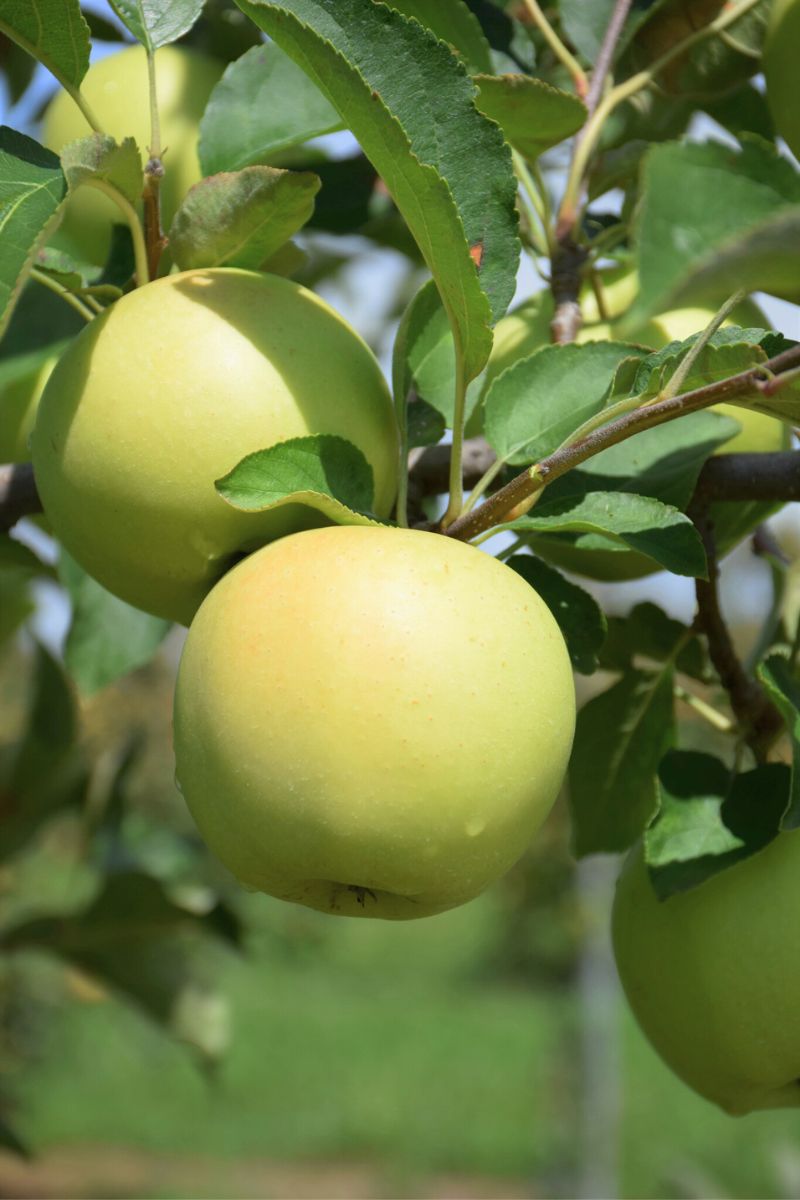
Yellow Delicious Apple is a small tree that is typically grown for its edible qualities. It produces large chartreuse round apples (which are botanically known as 'pomes') with yellow overtones and white flesh which are usually ready for picking from early to mid fall. The apples have a sweet taste and a crisp texture.
The apples are most often used in the following ways:


Black Tartarian Cherry is a medium-sized tree that is typically grown for its edible qualities. It produces dark red round fruit (technically 'drupes') with black overtones and dark red flesh which are usually ready for picking in mid summer. Note that the fruits have hard inedible pits inside which must be removed before eating or processing. The fruits have a sweet taste and a juicy texture.
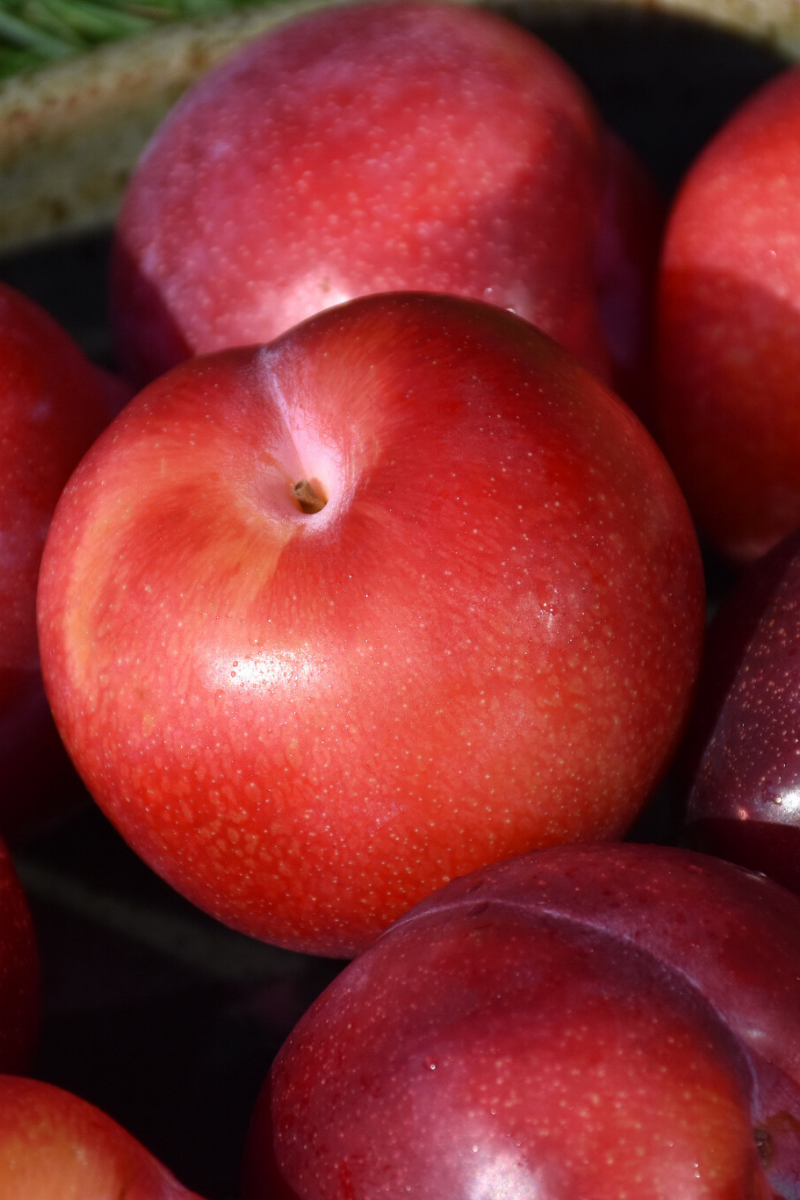
Santa Rosa Plum is a prized Japanese plum variety celebrated for its large, juicy crimson-red fruit with a delightfully sweet-tart flavor — one of the most widely loved home orchard varieties ever introduced. Clusters of fragrant pink spring flowers transform the branches before the leaves emerge, making this a genuinely ornamental tree even before harvest season arrives. It grows to 15–20 feet with an elegant vase-shaped form, well-suited as a specimen in a sunny yard or orchard planting. Fruit typically ripens in late summer and can be enjoyed fresh from the tree or used in cobblers, jams, and preserves. Birds are reliably attracted to the harvest, bringing extra life to the garden through summer. A classic variety that brings both beauty and bounty to the home landscape.


Common Persimmon is a beautiful native tree that doubles as an edible landscape specimen, offering ornamental merit across all four seasons alongside a generous harvest of sweet, richly flavored orange fruit in fall. Growing to an impressive 30–40 feet with an upright habit in full sun, it makes a striking specimen in a larger yard or naturalized setting. The fruit is best after a frost has softened the flesh and converted the starches to sugar — the result is a deeply sweet, honey-like flavor that’s exceptional fresh or dried. Vivid orange and gold fall foliage is among the most brilliant of any native tree. Fully resistant to deer, rabbits, insects, and disease, it supports birds and wildlife generously and tolerates Black Walnut. A durable, deeply rewarding tree for any landscape that has room for its full, impressive presence.

Red Delicious Apple is an iconic American variety loved for its deep crimson fruit with crisp, creamy-white flesh and satisfyingly sweet flavor that has made it a grocery-store and home-orchard staple for generations. Fragrant white spring blossoms are ornamentally beautiful, and the graceful vase-shaped tree grows 20–30 feet in full sun, making a handsome specimen in a larger yard or orchard planting. Fruit ripens from late summer to early fall, bringing birds to the garden and providing a generous harvest for fresh eating. The foliage puts on a lovely show of orange, burgundy, and gold as temperatures drop in autumn. Cold-hardy and adaptable, Red Delicious performs reliably in Midwestern gardens with moderate watering. For the best fruit set, plant alongside a compatible pollinator variety.

Bartlett Pear is the world’s most recognized pear variety, renowned for its intensely sweet, juicy, aromatic flesh and signature yellow skin that deepens as the fruit ripens in late summer. One of the most productive home orchard pears available, it reliably yields generous crops of large, classic bell-shaped fruits that are exceptional for fresh eating, canning, and preserving. Showy clusters of white blossoms put on a beautiful spring display before the broad, vase-shaped canopy leafs out in rich dark green. Plant in full sun with good drainage; pairing with another pear variety improves pollination and maximizes fruit set.

Red Fuji Apple is one of the world’s most celebrated apple varieties, prized for its large, strikingly beautiful red-blushed fruit with exceptional sweetness, juicy crunch, and remarkable shelf life. White spring blossoms are ornamentally lovely, and the upright tree grows 20–30 feet tall in full sun, making a fine specimen in a backyard orchard. Fruit ripens in midfall and is superb for fresh eating, juicing, and long storage. The foliage transitions to warm shades of orange and gold before dropping in autumn. Cold-hardy and adaptable, Red Fuji performs reliably in Midwestern gardens with full sun and moderate moisture. Pair with a compatible pollinator variety for the best crop yields.
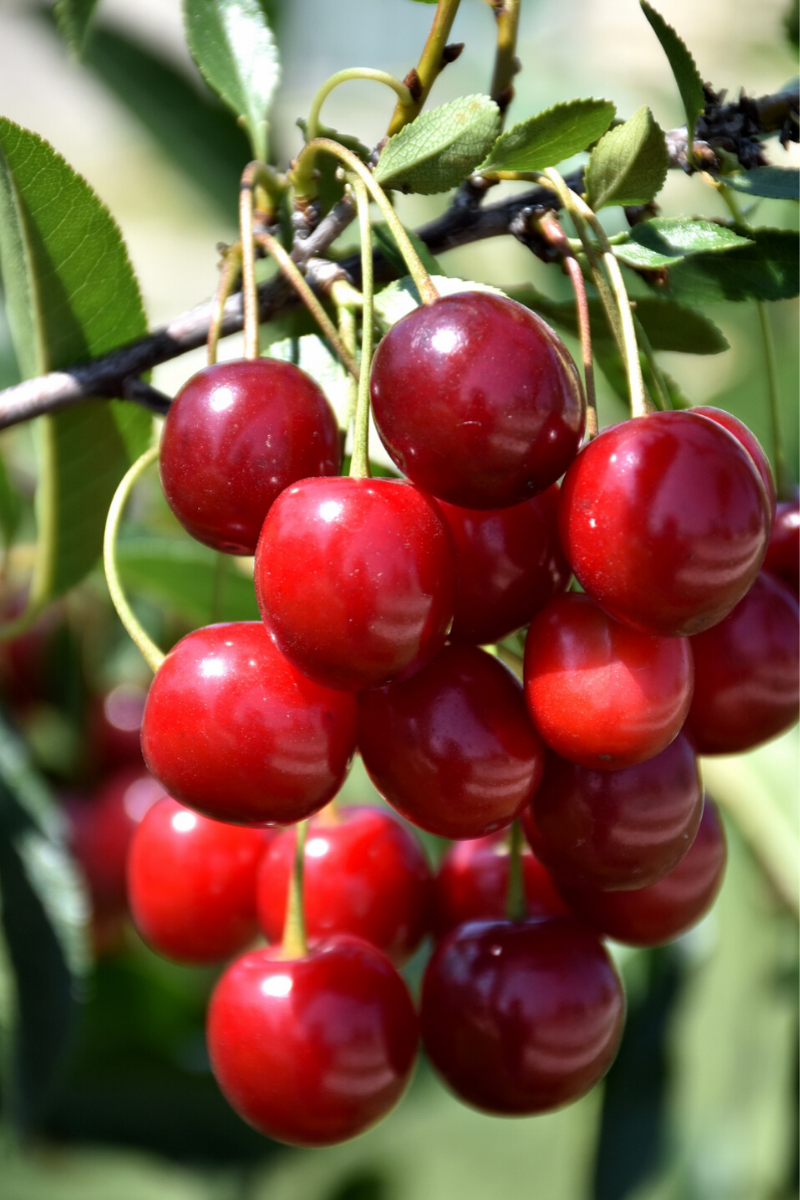
A compact, early bloomer with bright red cherries that are sweet and slightly astringent, fantastic for making jams. jellies, and pies; vigorous and hardy, it is perfect for a home garden or small orchard Sweet Cherry Pieâ„¢ Cherry is a large shrub that is typically grown for its edible qualities. It produces cherry red round fruit (technically 'drupes') which are usually ready for picking from early to mid summer. Note that the fruits have hard inedible pits inside which must be removed before eating or processing. The fruits have a sweet taste and a juicy texture. The fruit are most often used in the following ways: Baking Preserves Sweet Cherry Pieâ„¢ Cherry features showy clusters of fragrant white flowers along the branches in mid spring. It has green foliage throughout the season. The glossy oval leaves turn yellow in fall. The fruits are showy cherry red drupes carried in abundance from early to mid summer. This is a multi-stemmed deciduous shrub with a more or less rounded form. Its average texture blends into the landscape, but can be balanced by one or two finer or coarser trees or shrubs for an effective composition. This is a high maintenance plant that will require regular care and upkeep, and is best pruned in late winter once the threat of extreme cold has passed. It is a good choice for attracting birds to your yard. Gardeners should be aware of the following characteristic(s) that may warrant special consideration; Suckering Disease Aside from its primary use as an edible, Sweet Cherry Pieâ„¢ Cherry is sutiable for the following landscape applications; Accent Hedges/Screening General Garden Use Naturalizing And Woodland Gardens Orchard/Edible Landscaping This shrub is typically grown in a designated area of the yard because of its mature size and spread. It should only be grown in full sunlight. It does best in average to evenly moist conditions, but will not tolerate standing water. It is not particular as to soil type or pH. It is highly tolerant of urban pollution and will even thrive in inner city environments. This particular variety is an interspecific hybrid.

Contender Peach is a small tree that is typically grown for its edible qualities. It produces gold round fruit (technically 'drupes') with a scarlet blush and yellow flesh which are usually ready for picking in mid summer. Note that the fruits have hard inedible pits inside which must be removed before eating or processing. The fruits have a sweet taste and a juicy texture.
The fruit are most often used in the following ways:

We tasted hundreds of different blackberries so you wouldn’t have to! From amongst many, many trials, we selected Taste of Heaven thornless blackberry for its super large and super sweet berries. Unlike some options that are all seed and no juice, the ratio is perfect with these inch long fruits. You’ll get to enjoy harvesting for several weeks in the summertime and you won’t get cut once, as this variety is thornless. This variety produces fruit on second-year canes, so you don’t technically need to support it if you keep it well pruned. If you plan to plant a few of them, you’ll find it easier to harvest and trim them if they are trellised.

Jewel Black Raspberry is the premier black raspberry variety for home gardeners, producing large, glossy, intensely flavored black berries with a rich, deep sweetness that red raspberries simply can’t match. The trailing canes grow 3–5 feet tall and benefit from support on a trellis or stake in a sunny border or fruiting bed for the best berry production. White spring flowers attract pollinators before the fruit sets in early summer, and birds are enthusiastic competitors for the harvest. Disease resistant and cold-hardy, Jewel is a reliable and productive choice for the home edible garden. The foliage turns warm red-burgundy and copper-bronze in fall, adding a seasonal ornamental note. A delicious, distinctive variety that earns its devoted following among berry enthusiasts.


Reliance Peach lives up to its name as one of the most dependable peach varieties for northern gardens, producing large, round fruit with a vivid red blush over yellow skin and juicy, sweet yellow flesh. Pink spring blossoms are ornamentally beautiful before the fruit sets, and the tree grows 15–20 feet with a classic vase-shaped form in full sun. Fruit ripens in midsummer, delivering a generous harvest that’s superb for fresh eating, freezing, baking, and canning. Disease-resistant and exceptionally cold-hardy, Reliance was bred specifically to perform in climates where other peach varieties may not make it through the winter. The foliage turns a warm yellow-gold in fall, adding an ornamental note to cap the season. An outstanding choice for home orchards across the Midwest and northern United States.
Showing 27/32
Next
Have questions?
Shopping Consultation
Now you can book an in-person appointment with one of our product experts who'll help you find everything you need prefect for your home and garden, including outdoor and indoor plants, garden essentials, furniture, home décor, pet food and accessories, apparel, bath + body, and much more.


