
Share
We use cookies and similar technologies to provide the best experience on our website.
Gardening is a celebration of life, creativity, and connection to the natural world. For those of us living in the Chicago area, planting a pollinator-friendly garden is not only a rewarding way to support the environment—it’s also much safer than many people imagine. By welcoming bees and other pollinators into our gardens, we help nurture the delicate balance of our ecosystem while creating beautiful, thriving outdoor spaces. If you’re hesitant about attracting bees, let’s explore why a pollinator garden is a safe and joyful addition to any home, and how you can ensure peace of mind for yourself and your family.
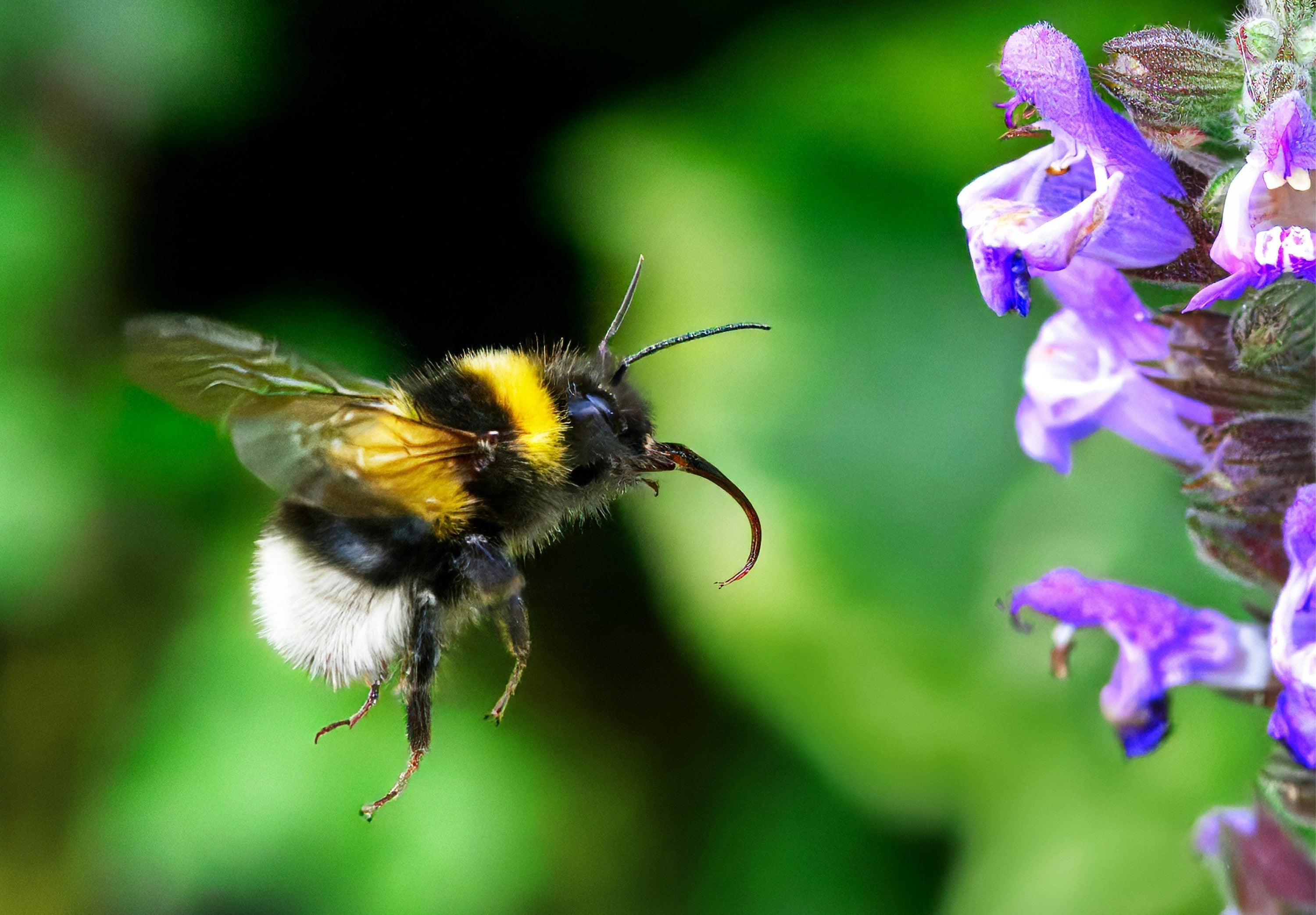
Pollinating plants are the heartbeat of a healthy garden. They attract a variety of pollinators—bees, butterflies, certain beetles, and of course birds—who all ensure the cycle of blooming continues season after season. In our region, bees are the most common and effective pollinators, yet many gardeners worry about the risk of getting stung. The good news is that most bees in the Chicago area are gentle and prefer to be left alone doing their work. Native bees such as bumblebees, mason bees, and leafcutter bees make up the majority of our garden visitors. These bees are solitary or social, but all share a non-aggressive nature. Unlike honey bees, who will only sting in defense (typically when their hive is threatened), our native bees are not inclined to sting at all. Mason bees, for example, are so docile that it is said their sting is no worse than a mosquito bite—and only occurs if they are trapped against the skin.
You may also notice sweat bees, identifiable by their metallic green or blue bodies. These bees are tiny and non-confrontational. Their sting is rare and so mild that most people never notice it. Leafcutter bees, another common sight, are essential pollinators whose sting is gentle to the point of being described as “almost imperceptible.” It’s worth noting that many wasps found among pollinator plants, such as the mud dauber, are solitary and peaceful. Mud daubers, though often mistaken for their more defensive cousins, are highly unlikely to sting and are considered beneficial insects.
Chicago’s gardens attract an array of pollinating insects, but let’s look at a few key species that make excellent neighbors:
The vast majority of bees and wasps you’llencounter in a pollinator garden are gentle, focused on flowers, and uninterested in bothering you or your family.

Simple Ways to Avoid Stings and Enjoy Your Garden
Safety and comfort in your pollinator garden are well within reach with a few easy habits:
Inspect Play Spaces: Regularly check outdoor play areas for signs of ground nests or hives, especially in hollow logs or under decks. Most pollinator bees nest above ground or in reeds, not in lawns or playsets.
Planting a pollinator garden in the Chicago area is a positive step that benefits both your family and the local environment. The bees, wasps, and other pollinators you’ll attract are gentle, vital allies in the cycle of growth and renewal. By understanding their habits and following a few simple guidelines, even families with young children can enjoy a vibrant pollinator garden safely and confidently.
Remember: most bees are not interested in humans and prefer to keep to themselves. With a spirit of curiosity and respect, your garden can buzz with life—without any drama. You’ll not only help support local ecosystems, but you’ll also create lasting memories of peaceful summer days filled with butterflies and the hum of happy bees.
Chalet's Sustainability Committee, among other goals, helps the local community learn about sustainable gardening and lifestyle practices. Thank you for reading our blog and consider sharing it with friends to get the word out about how we can make our local green spaces healthier and our community more sustainable.

Principal Author
Customer Service
