{ $store.xMobileNav.open() }, 0)"
role="button"
tabindex="0"
@keydown.enter="setTimeout(() => { $store.xMobileNav.open() }, 0)"
@keydown.space.prevent="setTimeout(() => { $store.xMobileNav.open() }, 0)"
aria-label="Menu"
class="relative w-11 h-8 pt-2.5 pb-2.5 pl-3 pr-3 -left-3 mobile-navigation-modern-icon-bg rounded-full cursor-pointer "
>
{ $store.xMobileNav.close() }, 0)"
>
Menu
{ $store.xMobileNav.close() }, 0)"
@keydown.enter="setTimeout(() => { $store.xMobileNav.close() }, 0)"
@keydown.space.prevent="setTimeout(() => { $store.xMobileNav.close() }, 0)"
role="button" tabindex="0"
aria-label="Close"
>
-
Shop{ $store.xMobileNav.close() }, 0)" >
-
We use cookies and similar technologies to provide the best experience on our website.
Fall Outdoor Décor
Bring the beauty of fall into your garden with rich autumn colors, textured kales, vibrant mums, and blooms that keep the season shining. Mix seasonal favorites with lasting foliage to create layers of color, texture, and interest throughout your garden beds. As the days grow cooler and the leaves begin to turn, embrace the warm, welcoming beauty of fall with plantings that make the most of the season.
Fall Looks For Garden Beds
Give garden beds an autumn glow with rich colors, textured kales, and blooms that keep the show going. Mix seasonal favorites with lasting foliage for layers of color and interest as the days grow cooler.
Seasonal Accents For Porch Styling
Make way for cozy with pumpkins, layered doormats, and harvest touches that bring fall to your front door. Add a welcoming wreath, warm lanterns, and a few well-placed accents to make your porch feel ready for the season.
Autumn Style For Containers
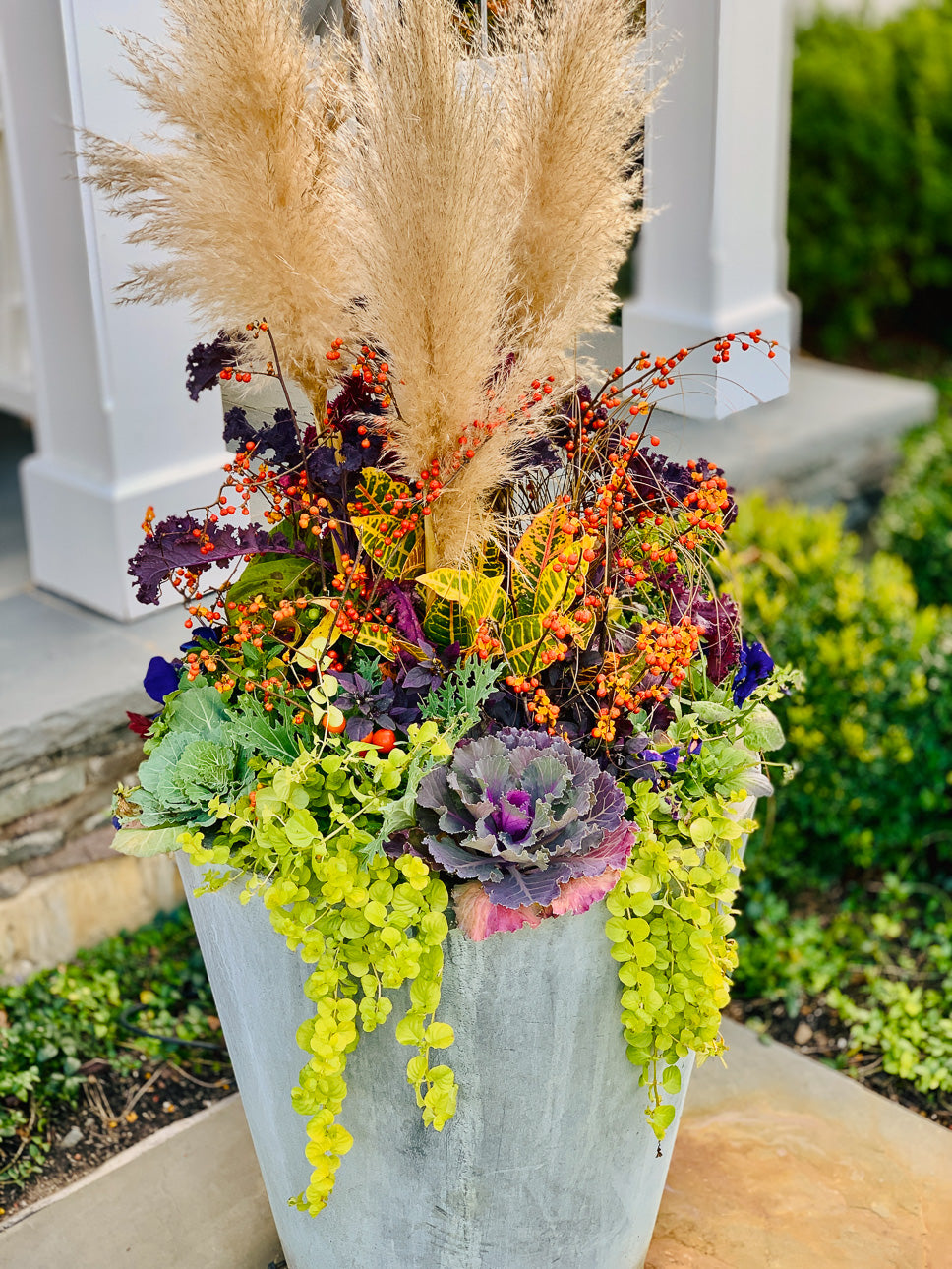
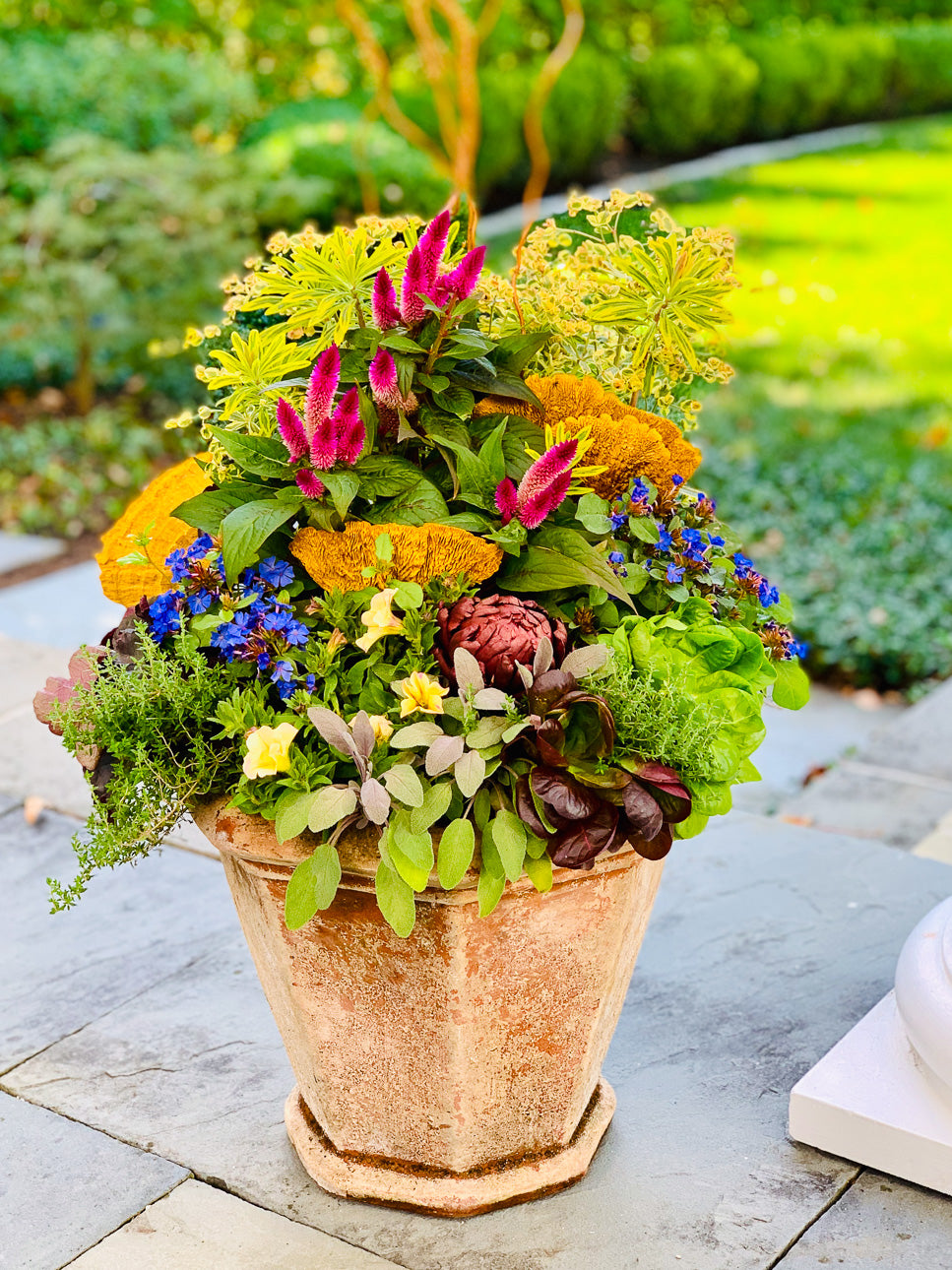
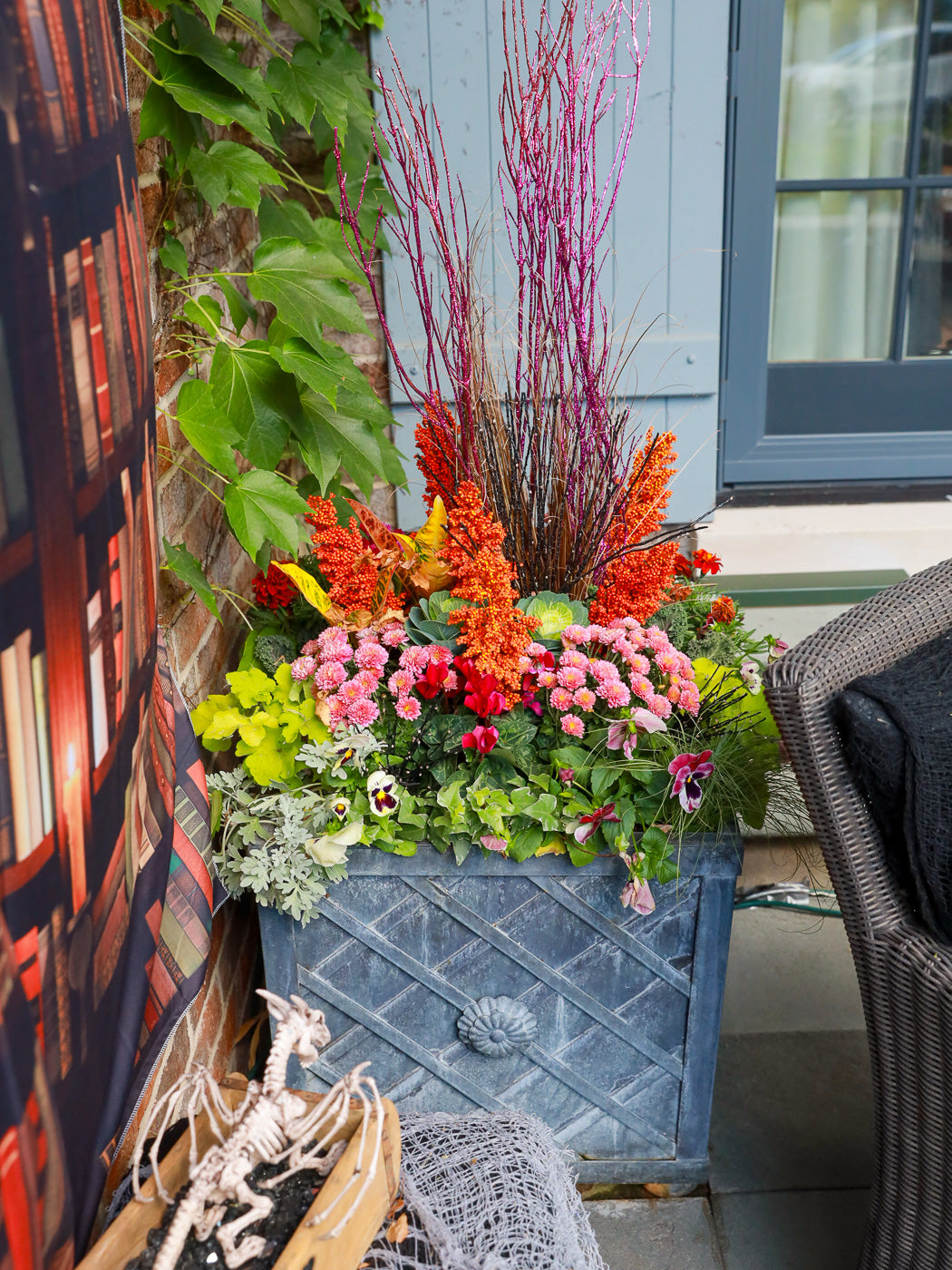
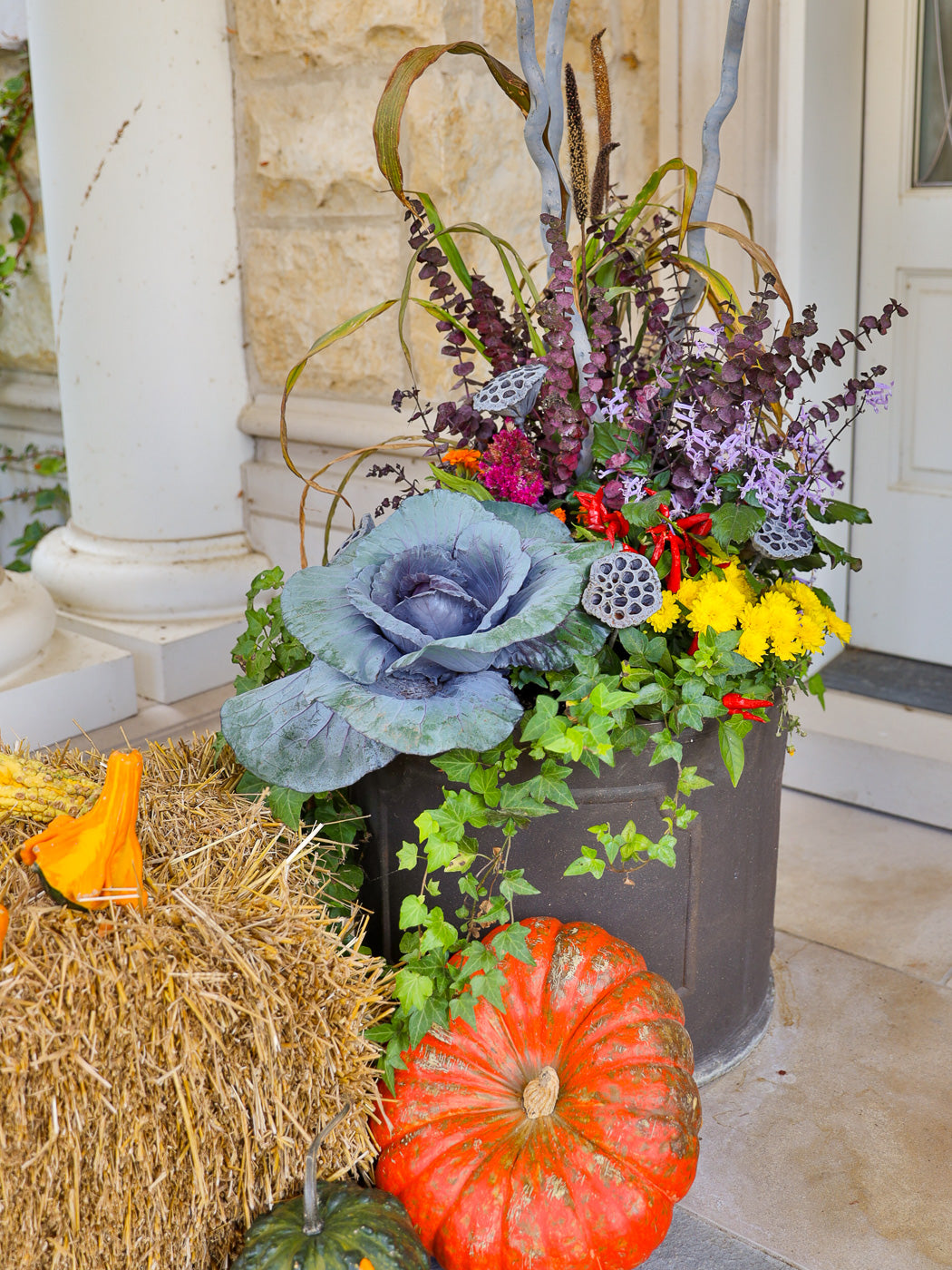
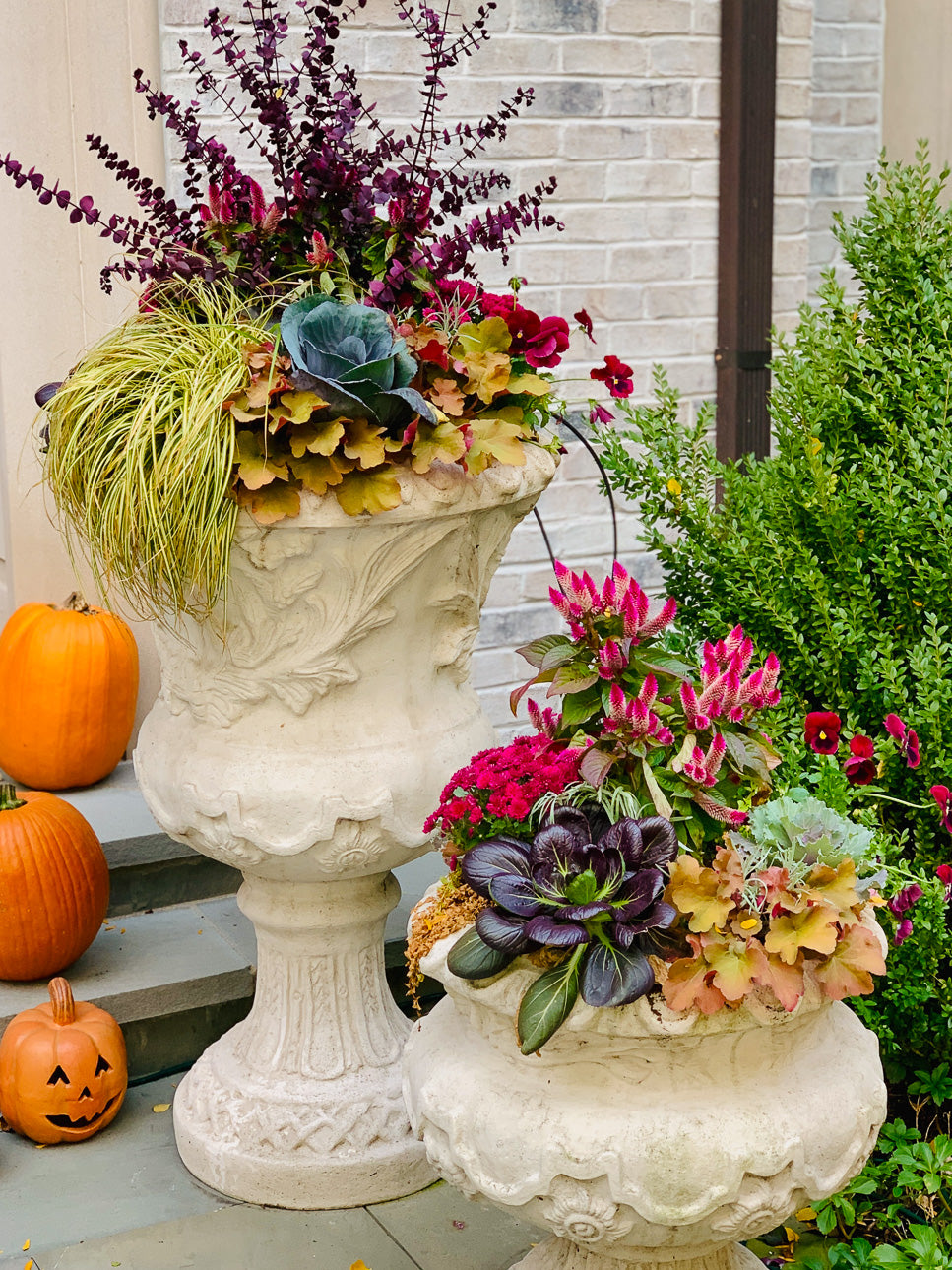
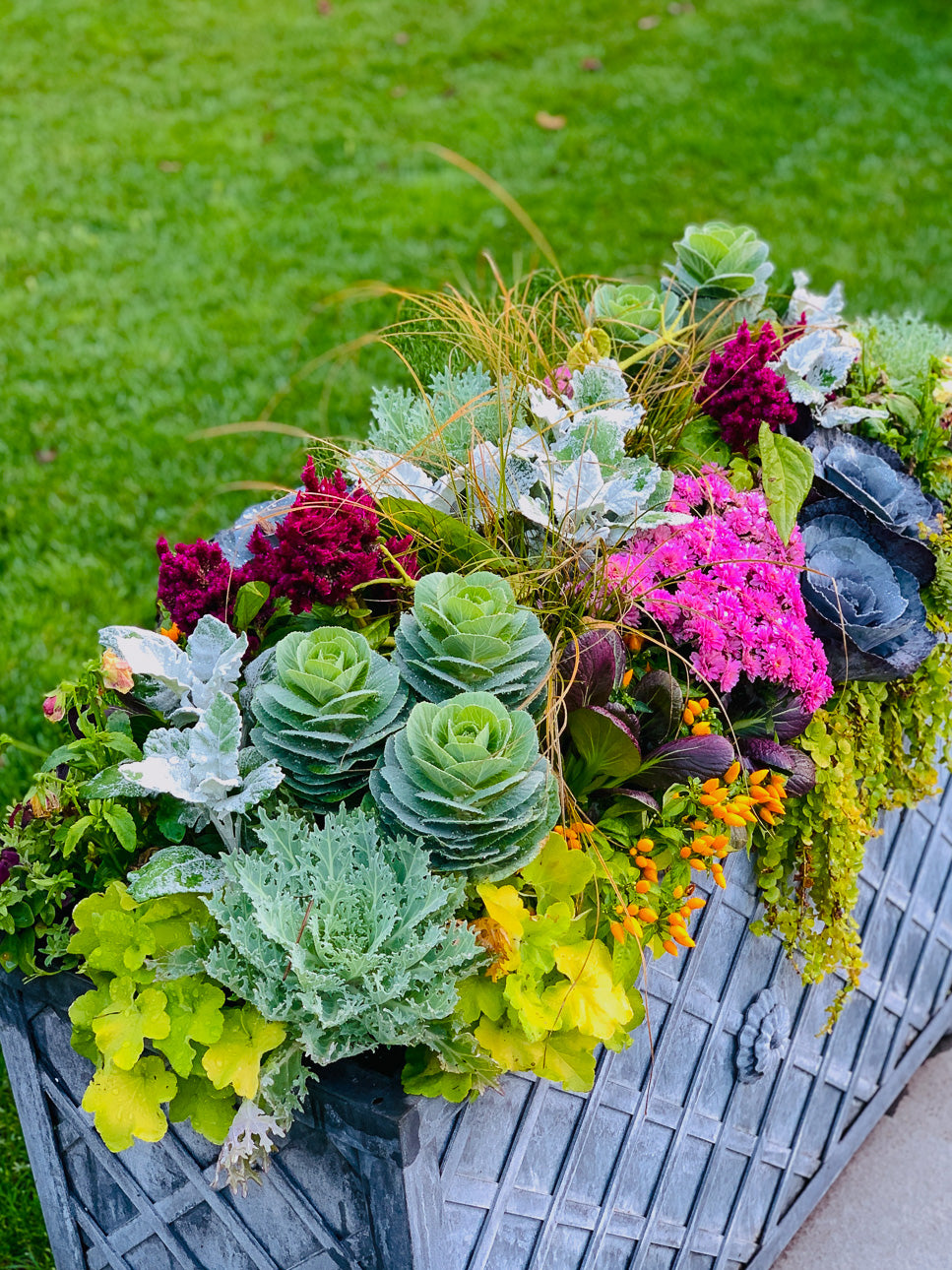
Fill pots with fall personality—pair colorful mums, ornamental kale, and trailing foliage for a fresh seasonal look. Play with height, texture, and autumn hues to create inviting arrangements beside the door or along your porch steps.
Fall Planter Inspiration


Blog posts
Spring-Flowering Bulbs: A Fall Planting Guide for North Shore Gardens
Learn when and how to plant tulips, daffodils, hyacinths, and crocuses for beautiful spring color in North Shore and Chicagoland gardens.
September Gardening To-Do List
Harvest - September is often the big harvest time for tomatoes, peppers, and hot season vegetables.
Plant Cool Season Annuals - Plant cool season annuals and ornamentals such as pansies, violas, snapdragons and ornamental cabbage.
Plant Cool Season Vegetables - You still have time to plant peas, broccoli, cauliflower, kale, brussel sprouts, leeks, lettuce, radish and onion. You may have to cover them for frost if you don’t have a cold frame, but if you get them in right away you should get a harvest if a freeze isn’t early.
Pick Up Wasp Spray - Wasps and yellow jackets become a problem this month. Be prepared with sprays. Shop.
Feed Annuals - Annuals need regular fertilizing for good bloom production, about every 4 weeks with Espoma granulars but every 8 weeks with Dr. Earth granular fertilizers
Check Containers and Baskets - Container gardens, hanging baskets and window boxes dry out quickly and need frequent watering. They will also need to be fertilized regularly.
Lower the Blade - You can begin lowering the blade on the lawn mower as temperatures cool. Lower slightly next month again too until you wind up mowing quite short the last time or two.
Lawn Repair - When summer starts to cool and the soil is still good and warm, which could be early September, lawn seed will establish quickly. If you plan to overseed the whole lawn, core-aerate first.
Divide Perennials - Perennials that are done blooming may be divided and/or moved. The roots will have time to reestablish before frost. Don’t divide or move plants that thrive in fall, such as asters, mums, Russian sage and ornamental grass.
Fertilize the Lawn - Apply a winterizing fertilizer later in the month, a lower nitrogen and higher potassium formula such as 18-0-12 ratio, to strengthen the lawn before winter without encouraging fast growth.
Core Aerate the lawn every few years in September. Chalet can provide that service.
Water - Plants, shrubs, trees will need regular watering right up until frost, and diminished rainfall in autumn isn’t enough. Evergreens especially need lots of water to prepare for winter since they keep their needles green all winter. To prevent needle drop and burn, make sure they get plenty of water right up until the ground freezes if you can. Apply broadleaf weed control Fall brings a fresh crop of lawn weeds.
Apply broadleaf weed control early in September. Although you can purchase fertilizer with broad leaf weed control, conditions should be ideal when you apply (read the package) for best results. Mixing up some weed killer in a tank sprayer is more effective. It also allows you to spot spray individual weeds and target small areas. Clover and creeping charlie require several applications. With a pump sprayer you can target those every 2 weeks. DO NOT spray young grass seedlings.
Remove Dead Plants - Shrubs, perennials or trees that have died should be removed.
Clean Up Fruit - Clean up and remove any fallen fruit. Decaying fruit will harbor pests and disease.
Slugs are Active - September brings slugs out in full force. Apply Sluggo with Iron Phosphate as the active ingredient.
Fill in with Compost - As you clean out the garden beds, fill in with compost so the soil is ready in spring.
Check for Web Worms - Prune the web out of the trees if possible and destroy. Otherwise treat chemically.
Be Prepared to Lift Bulbs - Tender bulbs should be lifted and stored next month. But if winter is coming early, you may need to get it done at the end of this month.
Needle Drop - Don’t be alarmed to see your evergreen drop some needles. Old inner needles will drop in Fall because new needles formed on the branch tips.
Plant Perennials - September is an excellent time to plant perennials. Days are warm and nights are cool, perfect for establishing roots.
Plant Fall Bloomers - You can still pick up mums and asters in bloom for planting right now.
Plant Peonies - Plant, or divide and transplant peonies between the end of August and October. September is usually perfect. Remember that peonies prefer not to be disturbed, so divide only if the clump has gotten way too large or needs to be in more sun.
Plant Bulbs - Plant spring blooming bulbs in September or early October. Use fertilizer on top of the planting holes for best results.
Be Prepared for Frost - Zone 5 generally does not experience frost until next month, but it does happen in September occasionally. Be prepared to cover your tender plants and crops if frost is forecast.
JENNIFER BRENNAN
Jennifer Brennan is the Horticulture Information Specialist, advising and coaching gardeners at Chalet for over 30 years.
Fall Lawn Care: The "-eeds of September" for Cool-Season Lawns
After a hot, dry summer, your cool-season lawn may be looking a little tired. The good news? Fall is the best time to bring it back to life. In USDA Zone 5, September is the golden month for rejuvenation, thanks to cooler nights, moderate daytime temperatures, and more consistent rainfall. Grass roots thrive in these conditions, repairing summer damage and preparing for winter.
That’s why I like to call this time of year the “-eeds of September”—the three key lawn-care actions that set the stage for a lush, healthy lawn in the year ahead:
Feed
Kill Weeds
Re-seed
Here’s how and when to tackle each one in September.
1. Feed (September 1–15)
Early September is the perfect time to give your lawn a slow-release fertilizer tailored for cool-season grasses like Kentucky bluegrass, fine fescue, or perennial ryegrass.
Fertilizing now helps roots recover from summer stress while promoting thick growth before winter dormancy.
A balanced fertilizer (with a slightly higher nitrogen content) supports both blade growth and underground root expansion.
Healthy fall roots mean a quicker green-up when spring arrives.
Pro Tip: Water the lawn after fertilizing to help nutrients soak down to the roots.
2. Kill Weeds (September 10–20)
Broadleaf weeds like dandelion, clover, and plantain often make a strong showing in late summer. Cooler fall weather is an ideal time to control them.
Apply a selective post-emergent herbicide during mid-September when weeds are still actively growing.
Fall treatments are more effective than spring applications because weeds store nutrients (and herbicide) in their roots at this time of year.
Removing weeds now also reduces competition with young grass seedlings from your re-seeding efforts.
3. Re-seed (September 15–30)
As the month winds down, focus on re-seeding thin or bare spots. September’s cooler nights and steady soil warmth create the best germination window for cool-season turf.
Choose disease-resistant cultivars of Kentucky bluegrass, tall fescue, or perennial ryegrass—these varieties withstand summer stress and reduce long-term disease problems.
Loosen soil before seeding to ensure good seed-to-soil contact, and keep the top 1 inch of soil consistently moist until seedlings establish.
Overseeding the entire lawn can thicken turf and crowd out future weeds.
Pro Tip: Cover seeded areas lightly with straw or compost to protect seed and hold moisture.
September Lawn Care Calendar (Zone 5)
Why the "-eeds of September" Matter
The feed, weed, and seed strategy works together to transform a stressed summer lawn into a resilient fall showpiece. Fertilizer restores vigor, weed control clears competition, and seeding ensures a dense, disease-resistant stand of turf for next year.
By following the timing specific to Zone 5—feeding in early September, killing weeds in mid-September, and seeding in late September—you’ll give your lawn the strong foundation it needs to face winter and thrive next spring.
Shop our Lawn Care collection online here.
Customer Service