
Shrubs exc Quince + Weigela Peach Kisses
764 products
Sort by:
764 products
764 products


Add a fluffy, lavender-pink cloud of fragrant flowers to your garden with this outstanding, compact selection. The big flower panicles are so prolific when in full bloom, the leaves almost can't be seen! There are plenty of flowers for cutting to bring indoors. Cooler nights bring purple fall color. Plant near pathways or patios where the delightful fragrance can be enjoyed.
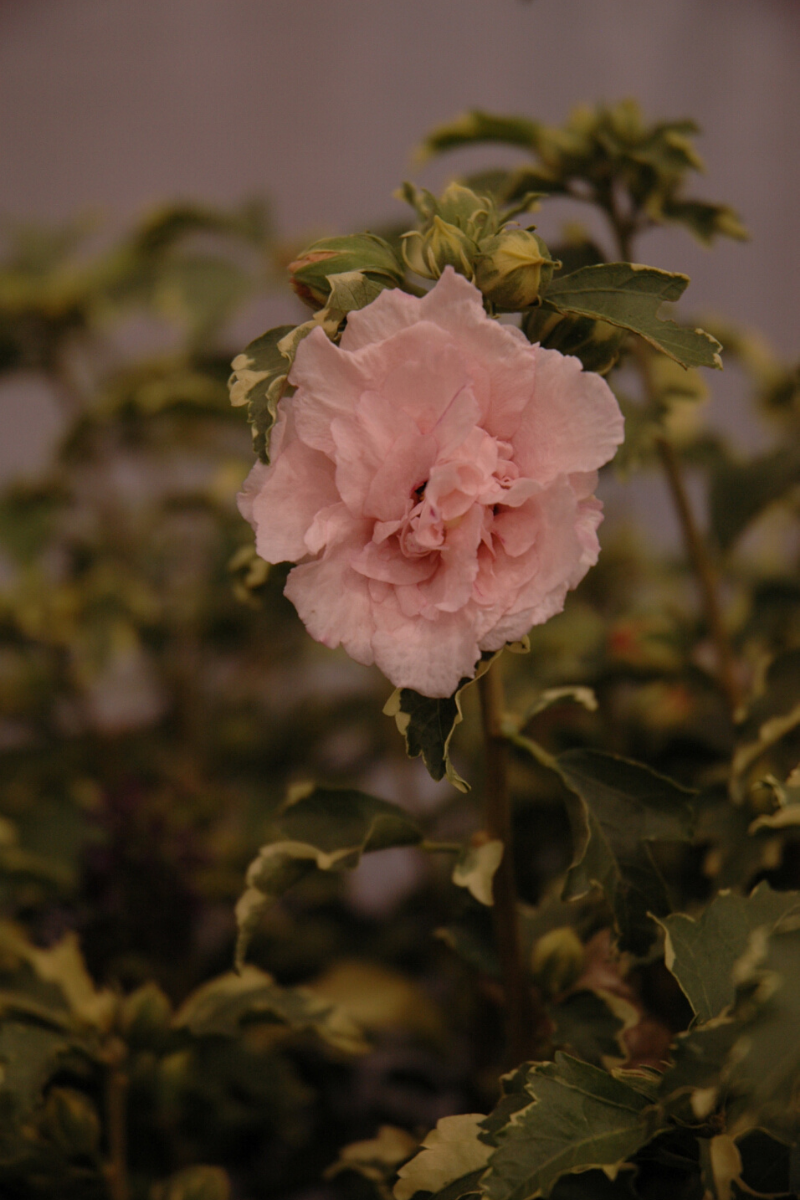
Brightly variegated sea-green and cream foliage lights up the landscape; a tall, stiffly upright shrub with vase shape habit; loaded with extremely showy, clear-pink, double flowers throughout summer; very adaptable plant, but prefers full sun Sugar Tip ® Rose of Sharon features bold pink round flowers along the branches from mid summer to early fall. It has attractive creamy white-variegated bluish-green foliage throughout the season. The lobed leaves are highly ornamental but do not develop any appreciable fall color. The fruit is not ornamentally significant. Sugar Tip ® Rose of Sharon is a multi-stemmed deciduous shrub with an upright spreading habit of growth. Its average texture blends into the landscape, but can be balanced by one or two finer or coarser trees or shrubs for an effective composition. This is a high maintenance shrub that will require regular care and upkeep, and is best pruned in late winter once the threat of extreme cold has passed. It is a good choice for attracting butterflies and hummingbirds to your yard, but is not particularly attractive to deer who tend to leave it alone in favor of tastier treats. Gardeners should be aware of the following characteristic(s) that may warrant special consideration; Insects Disease Sugar Tip ® Rose of Sharon is recommended for the following landscape applications; Accent Mass Planting Hedges/Screening General Garden Use Container Planting This shrub does best in full sun to partial shade. It prefers to grow in average to moist conditions, and shouldn't be allowed to dry out. It is not particular as to soil type or pH. It is highly tolerant of urban pollution and will even thrive in inner city environments. This is a selected variety of a species not originally from North America. Sugar Tip ® Rose of Sharon makes a fine choice for the outdoor landscape, but it is also well-suited for use in outdoor pots and containers. Its large size and upright habit of growth lend it for use as a solitary accent, or in a composition surrounded by smaller plants around the base and those that spill over the edges. Note that when grown in a container, it may not perform exactly as indicated on the tag - this is to be expected. Also note that when growing plants in outdoor containers and baskets, they may require more frequent waterings than they would in the yard or garden.
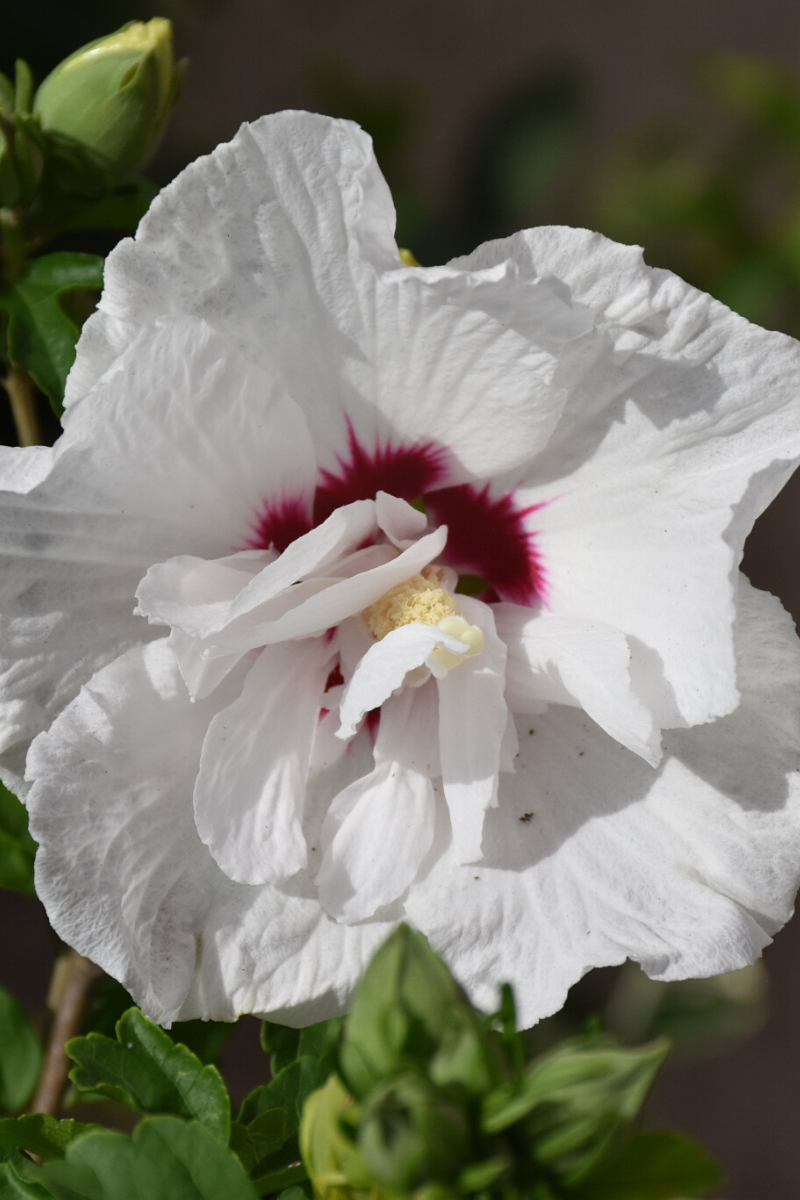
Bali Rose of Sharon is a stunning late-summer shrub that bears bold, semi-double white flowers with dramatic deep red throats from midsummer through early fall, creating an eye-catching display when much of the summer garden has peaked. Growing 5–9 feet tall with an upright habit and spreading 8–11 feet wide, it serves beautifully as a hedge, accent specimen, or mass planting in sun to partial shade. The large, showy blooms attract butterflies and hummingbirds in abundance, making it a standout for wildlife-friendly gardens. Green foliage transitions to warm red-burgundy and copper-bronze tones in fall, extending the season’s interest. Resistant to deer, rabbits, insects, and disease, it’s a reliable, low-maintenance shrub that cold-hardy gardens can count on. Train it as a small tree standard for a truly elegant landscape focal point.

Black Tartarian Cherry is a medium-sized tree that is typically grown for its edible qualities. It produces dark red round fruit (technically 'drupes') with black overtones and dark red flesh which are usually ready for picking in mid summer. Note that the fruits have hard inedible pits inside which must be removed before eating or processing. The fruits have a sweet taste and a juicy texture.
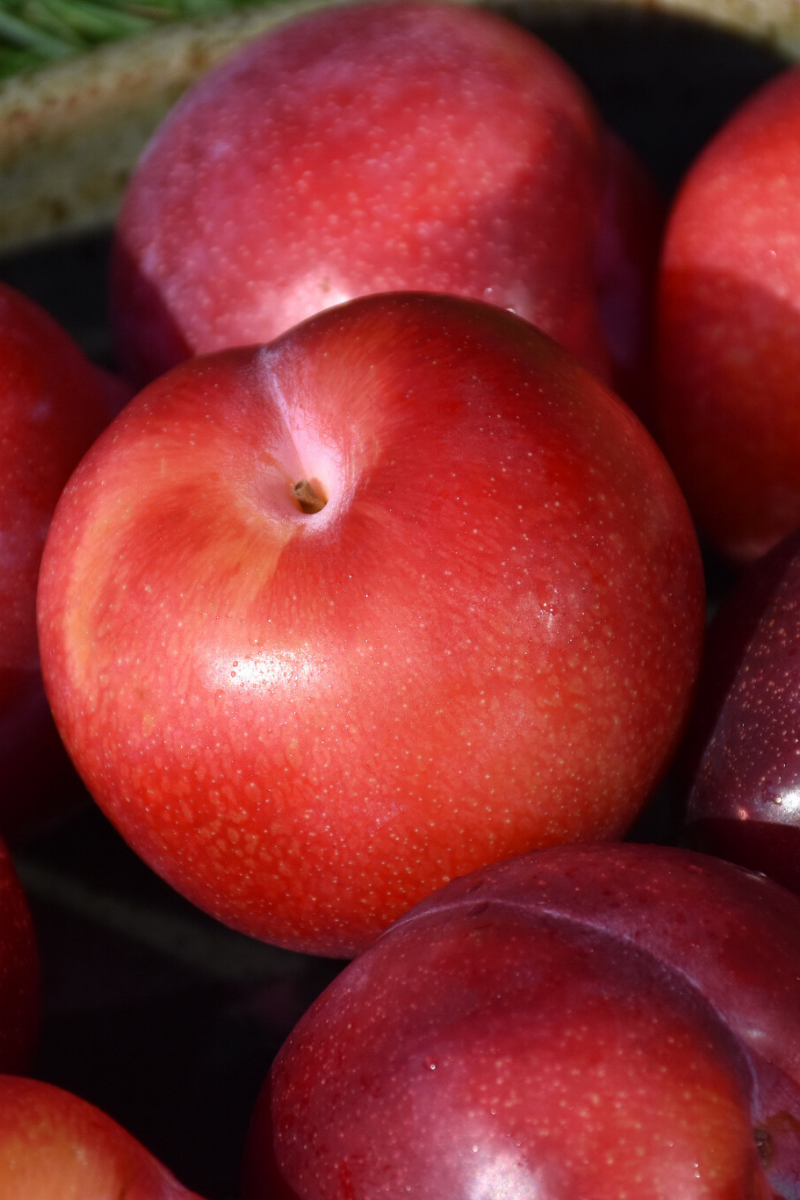
Santa Rosa Plum is a prized Japanese plum variety celebrated for its large, juicy crimson-red fruit with a delightfully sweet-tart flavor — one of the most widely loved home orchard varieties ever introduced. Clusters of fragrant pink spring flowers transform the branches before the leaves emerge, making this a genuinely ornamental tree even before harvest season arrives. It grows to 15–20 feet with an elegant vase-shaped form, well-suited as a specimen in a sunny yard or orchard planting. Fruit typically ripens in late summer and can be enjoyed fresh from the tree or used in cobblers, jams, and preserves. Birds are reliably attracted to the harvest, bringing extra life to the garden through summer. A classic variety that brings both beauty and bounty to the home landscape.

Firedance™ Dogwood has clusters of white flowers at the ends of the branches in late spring. It has green deciduous foliage. The pointy leaves turn an outstanding brick red in the fall. It produces white berries in late summer. The red branches are extremely showy and add significant winter interest. It is a compact Redtwig Dogwood cultivar that has a rounded, multi-stemmed growth habit. Prune back older stems to increase young stems for good color.
Mature Height: 3’ to 4’
Mature Width: 4’ to 5’
Sunlight: Full sun
Soil: Moist well-drained soil
Hardiness Zone: 2 - 7

Sweetfern has dark green deciduous foliage on a plant with a spreading habit of growth. The fragrant ferny leaves turn brown in fall.

Everbearing Fall Gold is a delicious addition to the home garden producing 2 crops of sweet golden raspberries: one in summer on 1-year-old canes, then a smaller one on new canes in fall. Remove canes to the ground after fruiting. Leave canes that have not fruited to bear later in the season and the following year. For a single, but bigger, summer crop, cut all canes back to ground after the fall crop—all the plants energy will go into this crop the following summer. Self-pollinating.

Pussywillow is a beloved harbinger of spring, producing the iconic soft, silver-gray catkins that appear on bare branches before the leaves emerge and signal winter’s end like nothing else in the garden. Growing 9–15 feet with graceful, weeping branches, it makes a beautiful focal point near water features, rain gardens, or naturalized areas in full sun. Fresh green foliage follows the catkins and holds through summer, turning warm gold and copper-bronze in fall. The cut branches are prized for spring arrangements — snip a few before the catkins fully open and bring them indoors. A native-region plant that supports birds and wildlife, it tolerates wet soils, erosion-prone sites, and Black Walnut with ease. A truly special shrub that connects us to the season’s first stirrings of life.

Sugar n' Spice™ Koreanspice Viburnum is smothered in stunning balls of fragrant white flowers with shell pink overtones at the ends of the branches in mid spring, which emerge from distinctive pink flower buds. It has green deciduous foliage. The heart-shaped leaves turn outstanding shades of red and burgundy in the fall. The black fruits are held in clusters from late summer to late fall.


Snowball Viburnum features showy balls of white flowers at the ends of the branches in late spring. It has dark green deciduous foliage. The large serrated lobed leaves turn an outstanding deep purple in the fall. However, the fruit can be messy in the landscape and may require occasional clean-up. The smooth gray bark and gold branches add an interesting dimension to the landscape.


Blackhaw Viburnum features showy creamy white flat-top flowers at the ends of the branches in mid spring. The royal blue fruits are held in abundance in spectacular clusters from early fall to late winter. It has dark green deciduous foliage. The pointy leaves turn an outstanding purple in the fall.

Summer Wine Ninebark features showy clusters of white flowers at the ends of the branches from late spring to early summer, which emerge from distinctive pink flower buds. It has attractive deep purple deciduous foliage which emerges crimson in spring. The serrated lobed leaves are highly ornamental and turn an outstanding red in the fall. It features abundant showy red capsules from early to mid fall. The peeling tan bark and dark red branches add an interesting dimension to the landscape.
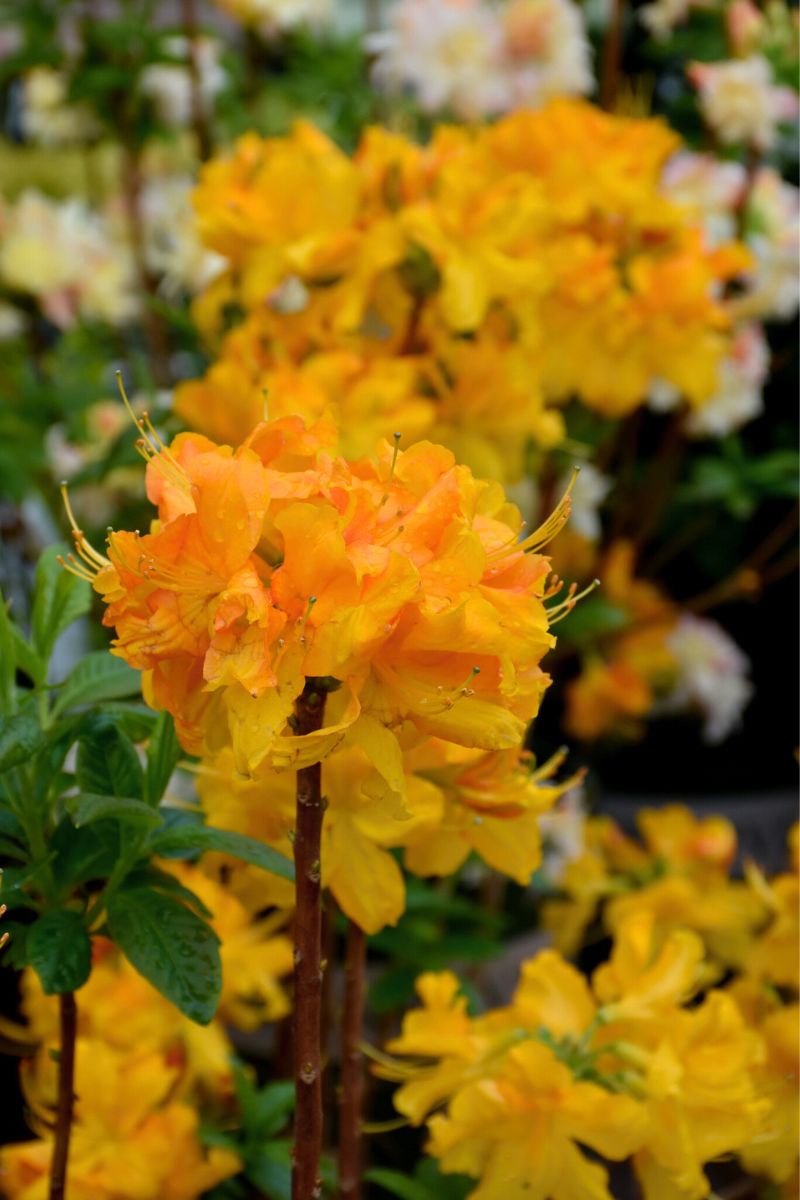
Klondyke Azalea is covered in stunning clusters of lightly-scented coral-pink trumpet-shaped flowers with yellow overtones and a gold blotch at the ends of the branches in mid spring before the leaves. It has green deciduous foliage. The glossy narrow leaves turn an outstanding red in the fall.

Cape May Hydrangea is a beautiful bigleaf variety that produces lush, rounded mophead blooms in sky-blue tones in acidic soils or soft pink-lavender in alkaline soils, bringing classic hydrangea romance to partially shaded garden spaces. Compact and mounding at 3–5 feet tall and wide, it fits perfectly in accent spots, foundation plantings, or large containers with regular moisture. The large, rounded flower clusters are excellent for fresh-cut and dried arrangements, and butterflies and birds are reliably attracted through the season. Foliage transitions to warm copper-bronze tones in fall, adding a pleasant seasonal note before the leaves drop. Plant with consistent moisture and shelter from harsh afternoon sun for the best flower color and performance. A lovely, classic hydrangea for bringing soft summer color to shaded garden spaces.

Pocahontas Lilac features showy panicles of fragrant purple flowers rising above the foliage in early spring, which emerge from distinctive burgundy flower buds. The flowers are excellent for cutting. It has bluish-green deciduous foliage. The heart-shaped leaves turn an outstanding deep purple in the fall.

The Crimson Comet Buttonbush is a fantastic addition to any garden or landscape. With its vibrant red foliage and unique spherical flowers, this plant is sure to stand out. Its beauty is not the only benefit, as it is also a great option for attracting beneficial insects and pollinators. The compact size of the Crimson Comet Buttonbush also makes it a great choice for small gardens and containers.


Manhattan Spreading Euonymus is primarily grown for its highly ornamental fruit. It features abundant showy pink capsules from mid to late fall. It has attractive dark green evergreen foliage. The glossy oval leaves are highly ornamental and remain dark green throughout the winter.


Common Persimmon is a beautiful native tree that doubles as an edible landscape specimen, offering ornamental merit across all four seasons alongside a generous harvest of sweet, richly flavored orange fruit in fall. Growing to an impressive 30–40 feet with an upright habit in full sun, it makes a striking specimen in a larger yard or naturalized setting. The fruit is best after a frost has softened the flesh and converted the starches to sugar — the result is a deeply sweet, honey-like flavor that’s exceptional fresh or dried. Vivid orange and gold fall foliage is among the most brilliant of any native tree. Fully resistant to deer, rabbits, insects, and disease, it supports birds and wildlife generously and tolerates Black Walnut. A durable, deeply rewarding tree for any landscape that has room for its full, impressive presence.


Marmalade® Potentilla features showy orange flowers at the ends of the branches from early summer to mid fall. It has dark green deciduous foliage. The small ferny compound leaves do not develop any appreciable fall color.
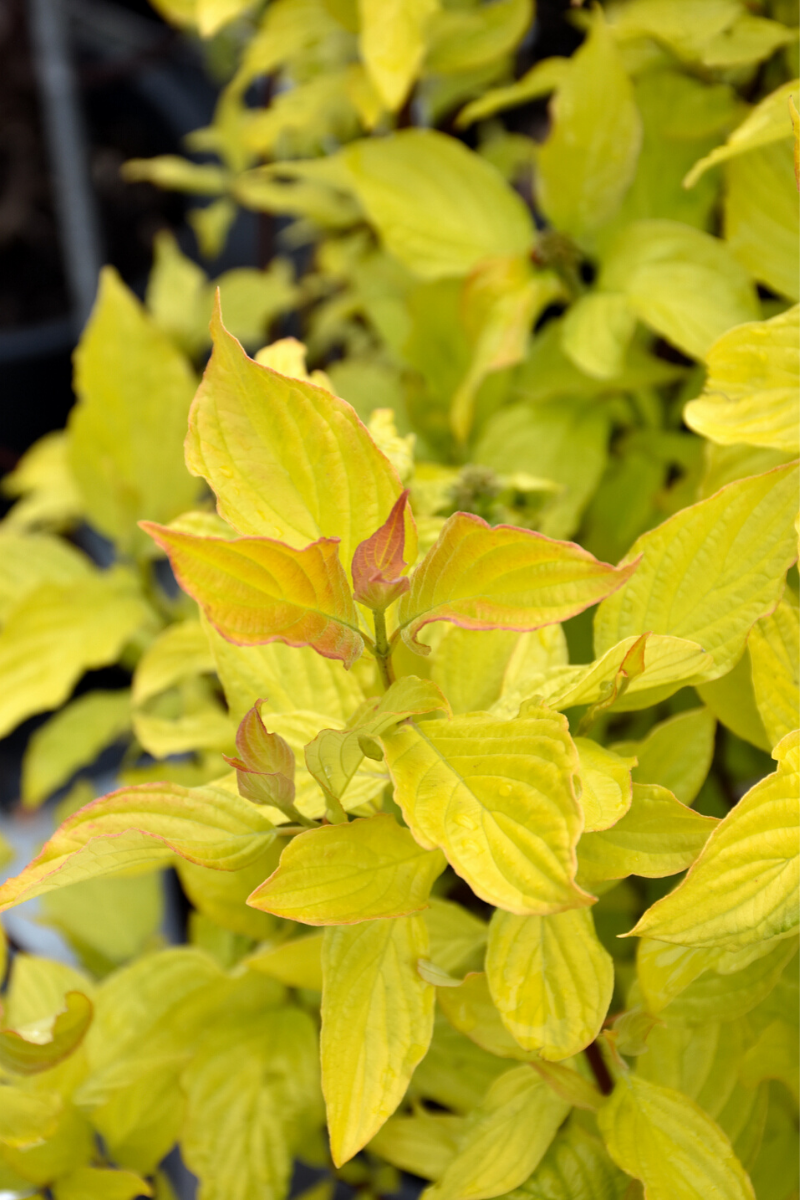
Neon Burst Dogwood earns its name with a dazzling season-long foliage display that brings electric chartreuse color to the garden even when the shrub isn’t in bloom. It’s a true multi-season performer with white spring flowers, brilliant fall color in shades of gold, red, and deep purple, and showy scarlet stems that command attention throughout winter when the garden needs it most. Growing 15–20 feet with a graceful vase-shaped form, it makes a striking specimen in partial shade with moderate water needs. Butterflies are drawn to the spring flowers, and birds appreciate the small fruit that follows. Cold-hardy and adaptable, it’s a straightforward, rewarding shrub for anyone seeking year-round interest. Give it a prominent spot where all four seasons can be fully appreciated.
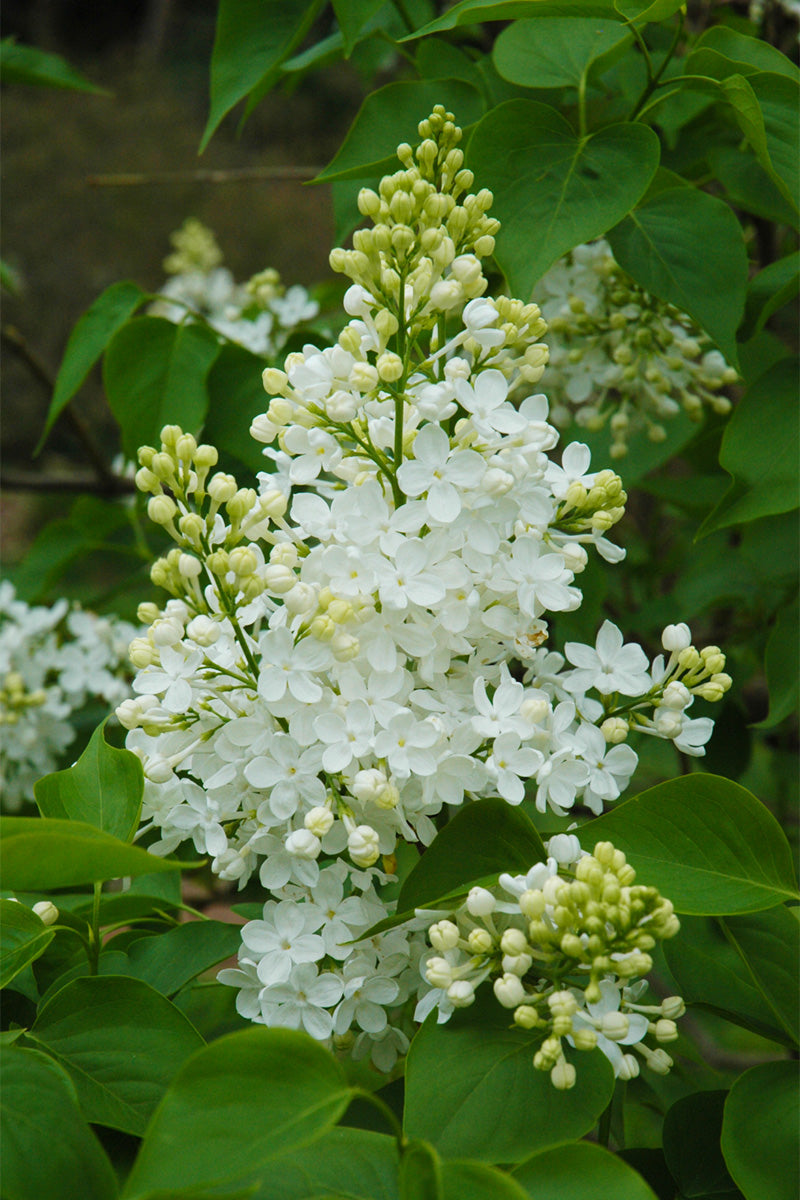
Betsy Ross Lilac brings classic fragrant beauty to the spring garden with clusters of purple blooms that perfume the air and draw butterflies in abundance. Growing to 9–15 feet with a graceful mounding form, it makes a striking specimen or informal hedge in full sun. Deep green foliage holds through the season, then transitions to warm copper-bronze tones in autumn. Like all great lilacs, it thrives in well-drained soils and delivers season after season with very little fuss. Deer, rabbits, and most pests give it a wide berth, making it one of the most carefree shrubs you can plant. It also tolerates Black Walnut, so it plays well in gardens where that can be a limitation. A timeless choice for anyone who loves the scent of a true spring garden.

Pink Lemonade Blueberry is a medium-sized shrub that is typically grown for its edible qualities. It produces clusters of rose round berries which are usually ready for picking from early to mid summer. The berries have a sweet taste and a firm texture.
The berries are most often used in the following ways:

Viburnum carlesii commonly called Koreanspice viburnum is a slow-growing, upright, rounded, deciduous shrub which typically matures to 4-5' tall but may reach a height of 8' in optimum growing conditions. Red buds open in late March/early April to pink-changing-to-white flowers which are arranged in snowball-like clusters (hemispherical cymes) to 3" across. Flowers are very fragrant. Flowers give way to non-showy, berry-like drupes which mature to blue-black in late summer. Broad ovate, serrate, dark green leaves (to 4" long) are infrequently flushed with copper. Foliage usually turns dull red in fall, but may sometimes display attractive shades of wine-red to burgundy.
Mature Height: 4’ to 6’
Mature Width: 4’ to 7’
Sun: Full sun to Part shade
Soil: Well-drained
Hardiness Zone: 4 - 7

Opening Day Doublefile Viburnum lives up to its celebratory name with a spectacular spring display of pristine white lacecap flower clusters arranged in perfect horizontal rows that layer the tiered branches in a stunning seasonal show. Growing into a broad, graceful mound with a naturally horizontal branching habit, it delivers multiple seasons of interest — spring flowers, summer dark green foliage and early fruit, and brilliant red-burgundy fall color. Deer, rabbit, and disease resistant, and tolerant of Black Walnut root competition, it anchors the back of a border or serves as an impeccable large specimen shrub with understated year-round elegance.

Red Prince Weigela is draped in stunning clusters of red trumpet-shaped flowers along the branches from late spring to mid summer. It has forest green deciduous foliage. The pointy leaves do not develop any appreciable fall color.

Yankee Doodle Lilac features showy panicles of fragrant purple flowers rising above the foliage in mid spring, which emerge from distinctive deep purple flower buds. The flowers are excellent for cutting. It has bluish-green deciduous foliage. The heart-shaped leaves do not develop any appreciable fall color.

Kobold Barberry is a compact, tidy landscape shrub prized for its neat mounding form and brilliant fall color without the fuss of fancy-foliage varieties. Dark green leaves hold through the season before turning vivid red-burgundy in autumn, creating a striking low hedge or border edging. Tiny yellow spring flowers give way to small berries that persist into winter and attract birds to the garden. Salt tolerant, deer resistant, and exceptionally tough, Kobold thrives in a wide range of conditions — from dry sites and poor soils to roadsides — with minimal care once established.
Showing 336/764
Next
Have questions?
Shopping Consultation
Now you can book an in-person appointment with one of our product experts who'll help you find everything you need prefect for your home and garden, including outdoor and indoor plants, garden essentials, furniture, home décor, pet food and accessories, apparel, bath + body, and much more.
You Recently Browsed ...


