
Shrubs (for programming)
781 products
Sort by:
781 products
781 products

Little Princess Spirea is draped in stunning clusters of pink flowers at the ends of the branches from late spring to early summer. It has emerald green deciduous foliage which emerges chartreuse in spring. The small serrated pointy leaves turn an outstanding coppery-bronze in the fall.

This dwarf, rounded selection features enormous lime green flower heads in mid summer, held upright on strong stems and lasting for a very long time; prune to a few inches from the ground in spring; blooms on new growth; great as an accent or border plant


Staghorn Sumac is a bold, architectural native that earns its name from the velvety, antler-like branches that give the plant a distinctive year-round presence. The dramatic tropical-looking compound leaves — sometimes 18–24 inches long — turn an extraordinary range of scarlet, orange, and gold in autumn, making this one of the most spectacular fall color shrubs native to the Great Lakes region. Dense, upright cones of deep red velvet fruit persist through winter, drawing birds and providing an ornamental focal point when the landscape is otherwise bare. Exceptionally tough, drought tolerant once established, and spreading naturally into colonies, it’s ideal for naturalizing slopes, banks, and areas where erosion control with a native plant is the goal.

A compact spreading version of this native shrub which features extremely long and narrow panicles of white flowers in early summer, consistently reddish-purple fall color; good for the garden or for naturalizing, spreads to form small colonies


Legend Of The Small® Fothergilla features showy spikes of fragrant white flowers rising above the foliage in mid spring before the leaves. It has bluish-green deciduous foliage. The textured oval leaves turn outstanding shades of scarlet, orange and yellow in the fall.


A hardy, rounded dwarf panicle hydrangea (cone-shaped flowers), Bobo is literally smothered in creamy white panicles at the branch tips from August through September. The flowers gradually take on pink to red tones before turning tan late in the season and make fantastic long-lasting fresh or dried flowers. Excellent for late season color in foundation plantings and shrub borders, either as an accent or in groups. Panicle hydrangea don't appreciate shade as much as other hydrangea, and are best planted in full to partial sun and kept evenly moist. Prune lighty in late fall or early spring, removing no more than 1/3 of the stem length.


American Hazelnut is a native multi-stemmed shrub that earns its place in the landscape many times over — with fuzzy yellow catkins in early spring, lush summer foliage, excellent golden fall color, and a nutritious crop of hazelnuts in autumn that birds and wildlife prize as much as we do. Growing 9–15 feet tall and spreading generously, it naturally forms a dense, mounding thicket that makes an outstanding hedge, screening border, or naturalized planting in sun to partial shade. Fully resistant to deer, rabbits, insects, and disease, it’s one of the most carefree native shrubs available. It tolerates Black Walnut and handles erosion-prone sites with ease. A genuinely rewarding plant that gives back to the garden and to local wildlife every single season.


Little Devil Ninebark features showy clusters of white flowers with shell pink overtones at the ends of the branches in early summer. It has burgundy foliage throughout the season. The small serrated lobed leaves turn purple in fall. It produces red capsules from early to mid fall. The peeling tan bark adds an interesting dimension to the landscape. Little Devil Ninebark is a dense multi-stemmed deciduous shrub with an upright spreading habit of growth. Its relatively fine texture sets it apart from other landscape plants with less refined foliage.

The arching stems of Cranberry Cotoneaster are a natural fit for spilling over walls and the edges of raised beds. Stiffly arching stems clothed in small, glossy dark green leaves create a broadly spreading mound. The leaves turn shades of red and deep burgundy in fall. Tiny pink flowers in May are followed by plump, bright red berries in fall that remain showy until the birds find them! Also excellent planted in groups in front of taller plants in foundation plantings and shrub borders. Drought tolerant once established.

Broad margins of lemon yellow pattern the green leaves of this relatively compact, densely branched Hamamelis (Witch Hazel) 'Little Prospect,' adding a long season of interest to the garden or shrub border. The leaves on this pyramidal shrub won’t scorch even in summer heat. Yellow flowers arrive in fall, carrying a light scent.


Walker Weeping Caragana is primarily valued in the landscape or garden for its highly ornamental weeping form. It has yellow pea-like flowers hanging below the branches in mid spring. It has light green deciduous foliage. The deeply cut ferny pinnately compound leaves turn yellow in fall. The smooth olive green bark adds an interesting dimension to the landscape.
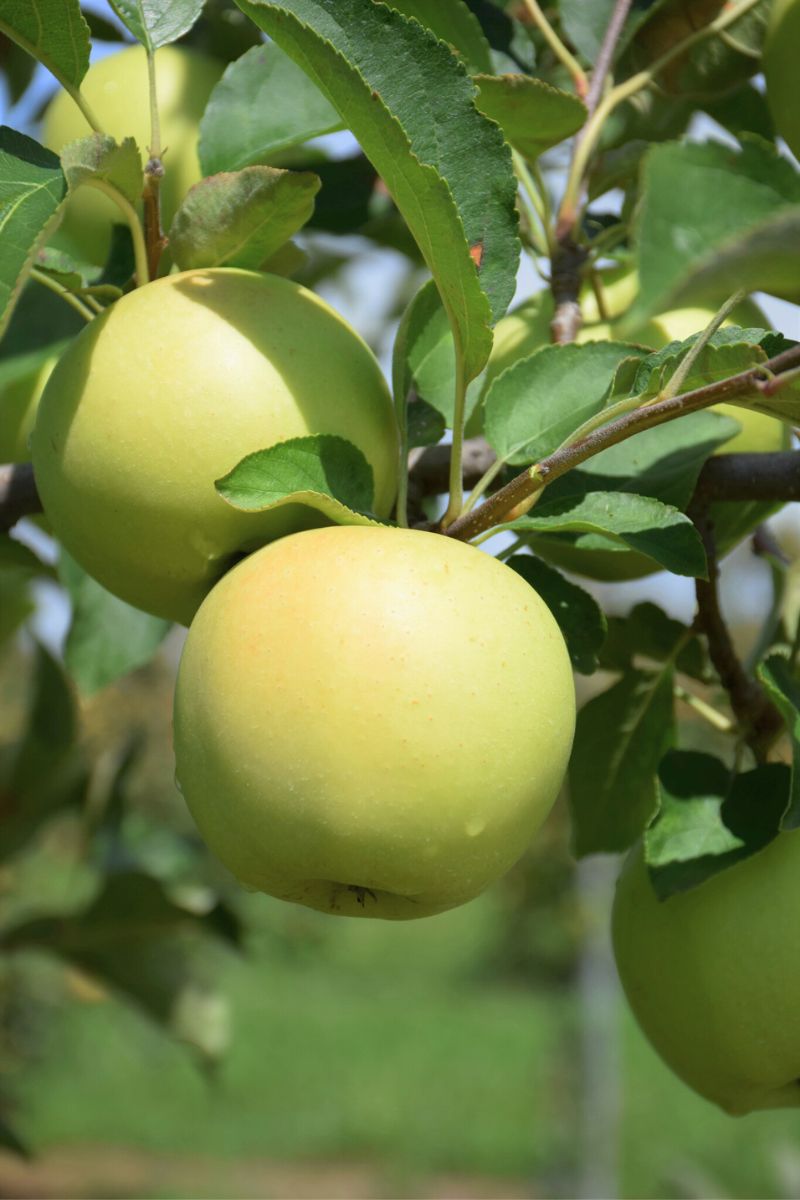
Yellow Delicious Apple is a small tree that is typically grown for its edible qualities. It produces large chartreuse round apples (which are botanically known as 'pomes') with yellow overtones and white flesh which are usually ready for picking from early to mid fall. The apples have a sweet taste and a crisp texture.
The apples are most often used in the following ways:


A beautiful long-season bloomer featuring large cones of white flowers which transition to hot pink from the bottom up; strong stems hold the flowers upright, great for cutting; early blooming

Victoria Rhubarb is commonly grown for its edible qualities, although it does have ornamental merits as well. The large cherry red stalks are typically harvested when mature. The stalks have a sweet taste and a crisp texture.
The stalks are most often used in the following ways:


An exotic yet hardy shrub with stout, pithy stems and fronds of tropical-looking leaves, can be rather leggy; very interesting upright spikes of red-purple fruit lasting into winter and brilliant fall colors; suckers vigorously, ideal for naturalizing

Sikes Dwarf Hydrangea features bold fragrant conical white flowers with pink overtones at the ends of the branches from early to mid summer. The flowers are excellent for cutting. It has dark green deciduous foliage which emerges grayish green in spring. The large fuzzy lobed leaves turn an outstanding burgundy in the fall.

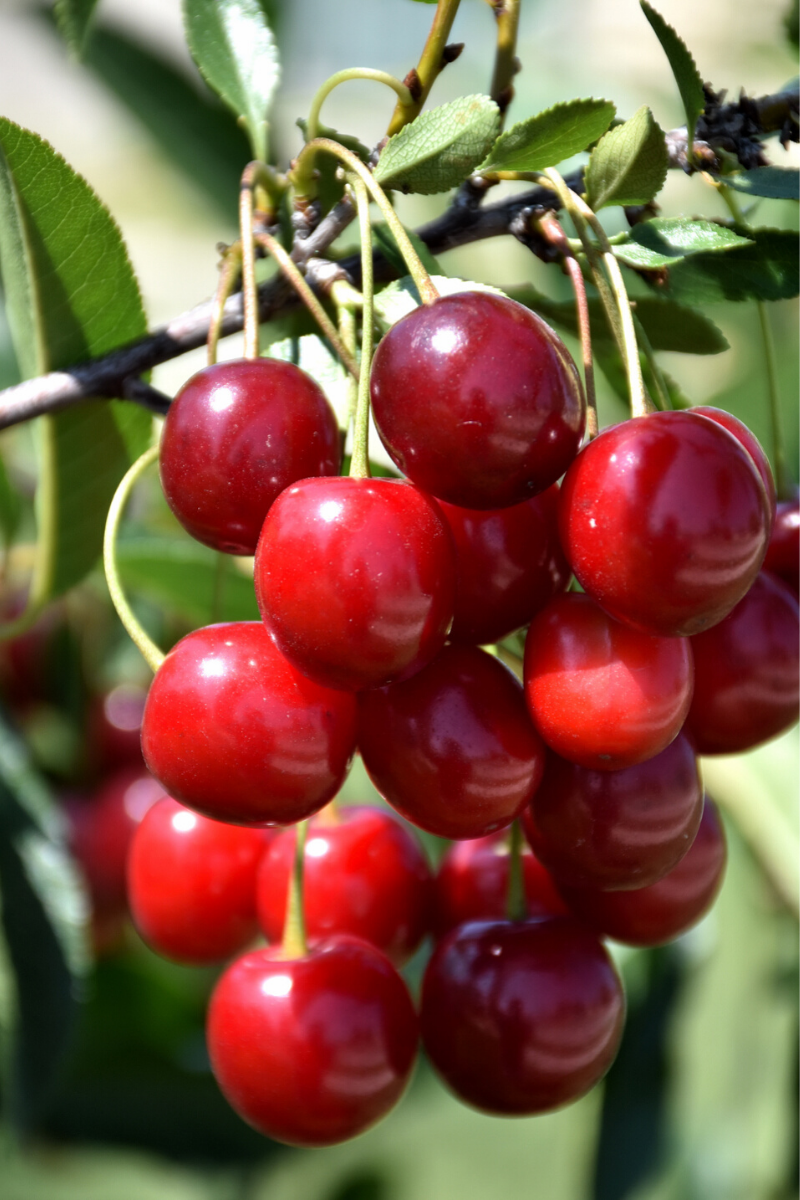
A compact, early bloomer with bright red cherries that are sweet and slightly astringent, fantastic for making jams. jellies, and pies; vigorous and hardy, it is perfect for a home garden or small orchard Sweet Cherry Pieâ„¢ Cherry is a large shrub that is typically grown for its edible qualities. It produces cherry red round fruit (technically 'drupes') which are usually ready for picking from early to mid summer. Note that the fruits have hard inedible pits inside which must be removed before eating or processing. The fruits have a sweet taste and a juicy texture. The fruit are most often used in the following ways: Baking Preserves Sweet Cherry Pieâ„¢ Cherry features showy clusters of fragrant white flowers along the branches in mid spring. It has green foliage throughout the season. The glossy oval leaves turn yellow in fall. The fruits are showy cherry red drupes carried in abundance from early to mid summer. This is a multi-stemmed deciduous shrub with a more or less rounded form. Its average texture blends into the landscape, but can be balanced by one or two finer or coarser trees or shrubs for an effective composition. This is a high maintenance plant that will require regular care and upkeep, and is best pruned in late winter once the threat of extreme cold has passed. It is a good choice for attracting birds to your yard. Gardeners should be aware of the following characteristic(s) that may warrant special consideration; Suckering Disease Aside from its primary use as an edible, Sweet Cherry Pieâ„¢ Cherry is sutiable for the following landscape applications; Accent Hedges/Screening General Garden Use Naturalizing And Woodland Gardens Orchard/Edible Landscaping This shrub is typically grown in a designated area of the yard because of its mature size and spread. It should only be grown in full sunlight. It does best in average to evenly moist conditions, but will not tolerate standing water. It is not particular as to soil type or pH. It is highly tolerant of urban pollution and will even thrive in inner city environments. This particular variety is an interspecific hybrid.


When in bloom, this cultivar is clothed in curious balls of snowy white flowers that resemble popcorn, held atop the branches in spring; has attractive upward branching and good fall color; fruit is produced sporadically; makes a fantastic specimen shrub

Chateau™ d'Amboise Rose of Sharon features bold hot pink round flowers with crimson centers along the branches from early summer to early fall. The flowers are excellent for cutting. It has green deciduous foliage. The lobed leaves do not develop any appreciable fall color.

Sugar n' Spice™ Koreanspice Viburnum is smothered in stunning balls of fragrant white flowers with shell pink overtones at the ends of the branches in mid spring, which emerge from distinctive pink flower buds. It has green deciduous foliage. The heart-shaped leaves turn outstanding shades of red and burgundy in the fall. The black fruits are held in clusters from late summer to late fall.


ight-O-Day Hydrangea features bold white lacecap flowers with shell pink centers at the ends of the branches from early to mid summer. The flowers are excellent for cutting. It has attractive white-variegated forest green foliage with hints of grayish green. The glossy pointy leaves are highly ornamental but do not develop any appreciable fall color.


Pink Dynamo™ Hydrangea features bold hot pink lacecap flowers with white overtones at the ends of the branches from late spring to late summer, which emerge from distinctive coral-pink flower buds. The flowers are excellent for cutting. It has attractive forest green-variegated deep purple foliage with hints of black which emerges brick red in spring. The serrated pointy leaves are highly ornamental but do not develop any appreciable fall color.
Showing 252/781
Next
Have questions?
Shopping Consultation
Now you can book an in-person appointment with one of our product experts who'll help you find everything you need prefect for your home and garden, including outdoor and indoor plants, garden essentials, furniture, home décor, pet food and accessories, apparel, bath + body, and much more.
You Recently Browsed ...


