





Even cats need their greens! This organic barley, oats, and wheat blend is rich in antioxidants, vitamins, minerals, and amino acids. Not only does cat grass help in digestion by moving the hairballs along, but it gives them a shiny coat and freshens breath! Because it's grown indoors, cat grass can be served year-round at its peak of freshness. The grass is ready to eat in as little as 2 weeks! Safe for dogs, too!
Seeds
Shop our big selection of edible and flowering seeds online or in store. Shop our collection of seed starting supplies.
Not sure how to start growing seeds? Schedule a 15-min appointment with a product specialist before your visit to Chalet.
74 products
Sort by:
74 products
74 products
One of the most popular hollyhocks of all time, 'Chater's Double' was named after the English horticulturist, Chater of Essex, who developed this variety in 1880s. Colors include golden-yellow, rose, maroon, salmon-pink, scarlet, and white. Flowers have a long bloom period and are edible! Fairly drought tolerant but performs best with ample moisture and rich soil.
When to Sow Outside: RECOMMENDED. 1 to 2 weeks after your average last frost date, or 2 months before your average first fall frost date.
When to Start Inside: 6 to 8 weeks before your average last frost date. Roots are sensitive to disturbance; sow in biodegradable pots that can be planted in the ground.
Days to Emerge: 10–14 days
Seed Depth: Press into surface
Seed Spacing: A group of 3 seeds every 24"–36"
Thinning: When 3" tall, thin to 1 every 24"–36"
Introduced by D. M. Ferry in 1898 but attributed to J.J. Harrison of Storrs & Harrison Co. of Painesville, Ohio. Starchy, nutty, fine-grained flesh—good for baking and roasting. Fruits are 8-12 pounds and store well. An all-time American favorite.
Growing Instructions: Sow seeds outdoors in 12" diameter hills after danger of frost has passed. Hills should be spaced 6' apart in all directions. Can also be started indoors 3 weeks before transplanting out.
- Direct Seed: 1" Deep
- Seeds to Hill: 6-8 Seeds
- Thin: To 3-4 Plants
- Light: Full Sun
- Mix of many varieties in multiple colors
- Nice addition to floral arrangements
- 100-110 days
- Contains 100 seeds
This historic variety originated in Japan and was introduced to the United States by the mid-1930s by seedsmen such as Henry A. Dreer of Philadelphia. Plants bear cream-colored, cylindrical-shaped fruits filled with spaghetti-like strands of delicately flavored flesh.
Instructions: Sow seeds outdoors in 12" diameter hills after danger of frost has passed. Hills should be spaced 6' apart in all directions. Can also be started indoors 3 weeks before transplanting out.
- Direct Seed: 1" Deep
- Seeds to Hill: 6-8 Seeds
- Thin: To 3-4 Plants
- Light: Full Sun
This stunning ornamental pepper makes a splash in both borders and containers. Bushy plants produce a dense canopy of dark-purple leaves and myriad small, conical peppers that ripen from purple to orange to dark red. The peppers measure about 3/4" long and stand erect on the plant; they are edible but very pungent and somewhat bitter.
Instructions: Sow seeds indoors ¼” deep. Peppers germinate best in warm soil, so gentle bottom heat may be helpful until seedlings emerge. Wait to transplant outdoors until soil is warm.
- Start Indoors: 8 weeks before last frost
- Germination: 14 Days
- Plant Outdoors: 12-24” Apart
- Light: Full Sun
The beauty, texture, and mingled flavors of these fresh sprouts will excite your palate! This special mix highlights the flavor of each component in a perfect balance. Alfalfa and red clover mix with a lively boost from the broccoli and kale. Burgundy amaranth adds a pop of color. Try these sprouts on sandwiches, hamburgers, tacos, and scrambled eggs or omelets. Add as a topper to soups and stews. The culinary possibilities are limited only by your imagination!
Broccoli sprouts contain higher levels of the cancer-fighting, phytochemical sulforaphane glucosinolate than mature heads of broccoli, while also contributing vitamins A, C, and E, calcium, and fiber to the diet. Extremely versatile in the kitchen, tangy broccoli sprouts will perk up almost any dish—fresh or cooked.
It's no wonder that birds covet the young sunflower greens that emerge in your garden. They know how delectable they are! High in iron, calcium, protein, and healthful unsaturated fat, the greens from these black oil sunflower seeds (loved by microgreen enthusiasts for their fabulous flavor and tender texture) are a nutritious addition to just about any dish that sprouts from your imagination.
Wheatgrass contains an abundance of nutrients. The seeds, also known as hard winter wheat berries, germinate rapidly into beautiful greens that can be juiced; the juice is packed with vitamins, minerals, and chlorophyll! Be sure to save some seeds to sow for beautiful greenery in indoor containers for table centerpieces (especially to nestle eggs in at Easter!).
Now you can grow your own calorie-free, carbohydrate-free, low-glycemic sweetener at home! Stevia, also called sweetleaf, is up to 300 times sweeter than sugar, so a little goes a long way. Some say the leaves have a slight, pleasant, anise aftertaste. The bushy, 18"-30" tall plants can be grown in 10"-12" diameter containers. Leaves are sweetest just before the plant flowers in late summer to fall. Grown as an annual, although perennial in USDA zones 10 and warmer.
When to Sow Outside: Not recommended.
When to Start Inside: RECOMMENDED. 8 to 10 weeks before your average last frost date. Optimal soil temperature is 70°–75°F.
Days to Emerge: 7–21 days
Seed Depth: ⅛" or barely cover
Seed Spacing: 18"
Row Spacing: 20"–24"
Thinning: Not required
Grown as an annual, 'Moss Curled' parsley can grow through fall and into winter because of its cold tolerance. It has a milder flavor than flat-leaved types and can enhance almost any food, in flavor and in beauty. It is a very nutritious herb (vitamins A, B, C), and freshens breath. Pair with flowers in ornamental plantings, and grow indoors in the winter!
Also called gold string melon, spaghetti squash is unique among winter squashes; when cooked, the flesh falls away from the shell in strands like spaghetti, and retains a tender, yet al dente, texture. Savory flavor that is delicious, and low calorie, with a simple bit of butter and salt. Each plant can yield 5 to 7 squash.
When to Sow Outside: RECOMMENDED. 1 to 2 weeks after your average last frost date, and when soil temperature is 70°–85°F.
When to Start Inside: Not recommended except in very short growing seasons, 2 to 4 weeks before transplanting. Roots are sensitive to disturbance; sow in biodegradable pots that can be planted directly into the ground. Transplant when soil temperature is at least 60°F.
Days to Emerge: 5–10 days
Seed Depth: ½–1"
Seed Spacing: 2–3 seeds per mound
Row Spacing: 6'
Thinning: When 3" leaves, thin to 1–2 per mound
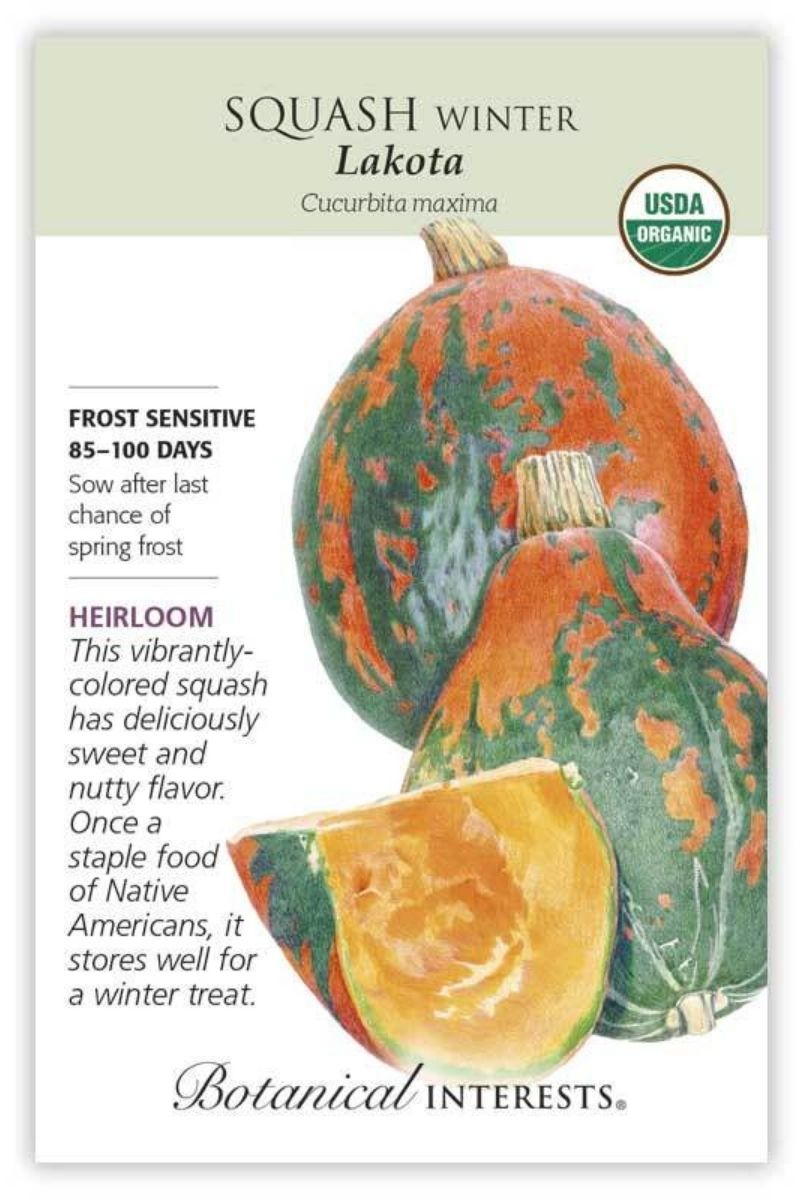
This gorgeous Lakota winter squash is much more than a decoration. A superior baking variety, it has fine-grained flesh with an enticing, sweet, nutty flavor. This adaptable winter squash stores well and, like all squash, is easy to grow from seed.
Jimmy Nardello Sweet peppers are 6"-12" long that have an exceptionally sweet, rich flavor, making them the quintessential Italian frying pepper. Delicious in chili and salsa, or dried and ground for paprika. Prolific plants grow well in most areas.
Introduced in 1916, 'Munstead' was named for Munstead Woods in England where it was a favorite of renowned garden designer, writer, and artist, Gertrude Jekyll. 'Munstead' flowers earlier than other lavenders and stays compact. English lavenders are preferred for culinary uses and oils. Heat- and drought-tolerant plants attract pollinators. Add the flowers to a simple syrup to make craft cocktails/mocktails or lavender lemonade. Bake into bread, cookies, or scones, and flavor jellies. Perennial in USDA zones 5-9.
When to Sow Outside: 4 to 6 weeks before your average last frost date, as soon as soil can be worked, or late fall in any climate.
When to Start Inside: RECOMMENDED. 10 to 12 weeks before your average last frost date. Transplant seedlings after your average last frost date.
Days to Emerge: 15–90 Days
Seed Spacing: Surface to ⅛"
Thinning: When 1" tall, thin to 1 every 18"–24"

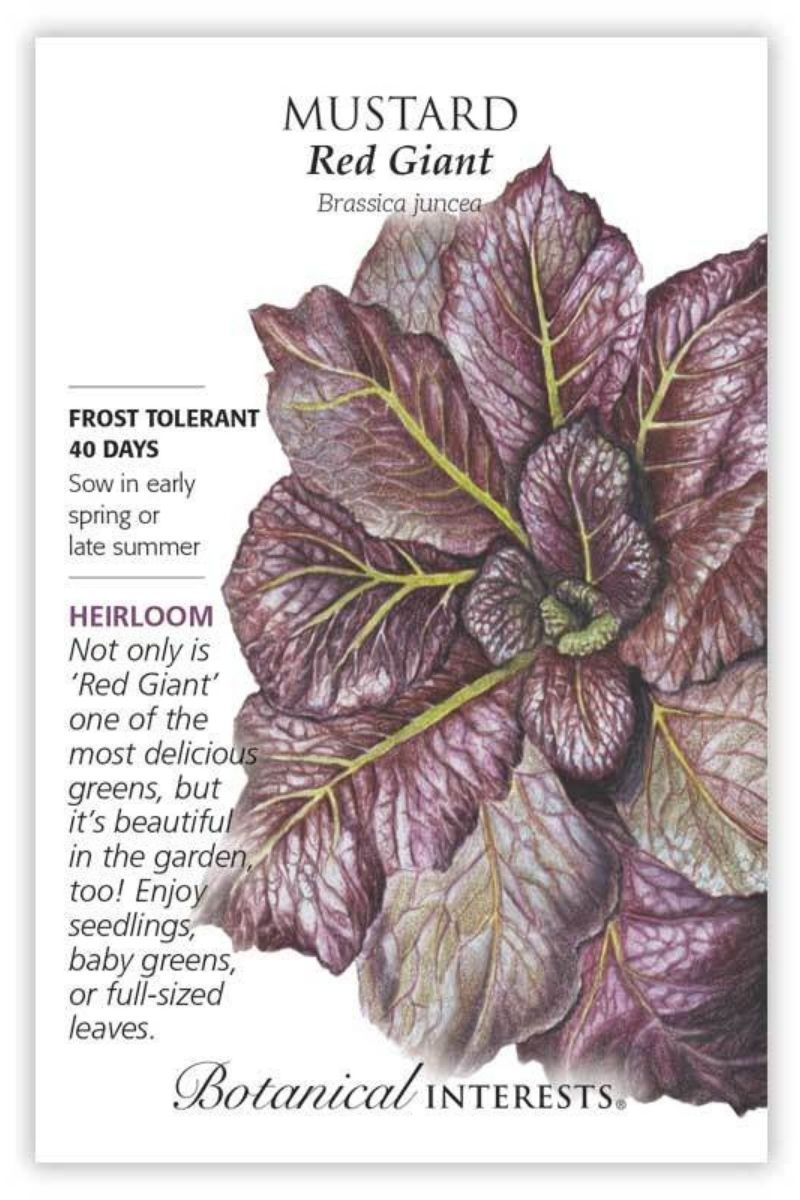
'Florida Broadleaf' Mustard can't be beaten—flavor and productivity have made it a long-time favorite of Southern gardeners and cooks. Small leaves can be harvested for baby greens and added fresh to salads. Large leaves can be prepared in a variety of ways.
Showing 74/74

Have questions?
Shopping Consultation
Now you can book an in-person appointment with one of our product experts who'll help you find everything you need prefect for your home and garden, including outdoor and indoor plants, garden essentials, furniture, home décor, pet food and accessories, apparel, bath + body, and much more.
You Recently Browsed ...

by Chris Hester on Oct 05 2026
A beautiful garden should not disappear when summer ends. With thoughtful plant selection and design, your landscape can offer color, texture, movement, and structure through late fall, winter, spring, and back into summer.
Fall is an especially valuable time to evaluate your North Shore landscape. As summer flowers fade and deciduous plants begin dropping their leaves, you can more easily see where the garden lacks structure or seasonal interest. It is also an excellent planting season for many trees, shrubs, and perennials. Creating a four season garden starts by looking beyond flowers. Interesting bark, colorful stems, persistent berries, evergreen foliage, ornamental seed heads, and early spring bulbs can all keep the landscape engaging throughout the year.
1. Plant Architectural Shrubs for Winter Structure
When leaves fall, the underlying structure of your garden becomes much more noticeable. Trees and shrubs provide the framework that keeps a landscape visually interesting even when perennial beds are dormant.
Red twig dogwood, including compact varieties such as Arctic Fire®, is especially effective for winter color. Once its leaves drop, vibrant stems stand out against snow and dormant garden beds. Witch hazel is another beautiful addition to a four season garden, bringing woody structure and distinctive seasonal flowers.
When selecting shrubs, think about what you will see from inside your home during winter. A strategically placed specimen outside a kitchen, family room, or dining room window can transform an otherwise empty winter view. For the strongest year-round design, consider shrubs with:
Colorful or textural stems and bark
Interesting branching habits
Persistent fruit or berries
Distinctive flowers or foliage in another season
Planting woody material in fall gives roots an opportunity to begin establishing before winter dormancy.
See Product
2. Fill Fall Color Gaps with Late-Blooming Perennials
A four season garden should transition gradually rather than suddenly fading at the end of summer.
Late-blooming perennials can bridge the gap between summer flowers and the quieter winter garden. Goldenrod and aromatic asters are excellent examples, providing rich seasonal color when many traditional garden perennials have finished flowering. These plants can also complement ornamental grasses, shrubs, and plants with changing fall foliage.
Shop
Shop
Shop
Design Fall Color in Layers
Instead of relying on a single fall-blooming plant, think about how several types of seasonal interest can work together. Consider combining:
Late-blooming perennials for flowers
Shrubs and perennials with colorful fall foliage
Ornamental grasses and seed heads for texture
Evergreens for a consistent backdrop
Amsonia is particularly useful in this kind of layered design. Its foliage develops beautiful golden tones in fall, providing contrast alongside asters, goldenrod, and deeper evergreen foliage. The goal is not simply to add more plants. It is to create intentional transitions from one season into the next.
3. Plan Now for Spring-Blooming Bulbs
Some of the most memorable moments in a four season garden need to be planned months in advance. Tulips, daffodils, alliums, and other spring-flowering bulbs bring the garden back to life after winter. Fall is the time to source your bulbs and determine where those first bursts of spring color will have the greatest impact. Wait until soil temperatures cool before planting, but use early fall to develop your plan.
Where Should You Plant Spring Bulbs?
Look at areas that feel empty in early spring and consider adding bulbs:
Along front walks and entryways
Beneath or around deciduous shrubs
Within established perennial beds
In generous groupings visible from inside the home
Near patios and other frequently used spaces
Think in groups rather than individual bulbs. Larger drifts often create a stronger visual impact and can make an established North Shore garden feel more intentional. Daffodils, tulips, and alliums can also be selected for different bloom times, helping extend the spring display instead of creating one brief burst of flowers.
Shop Spring-Blooming Bulbs
4. Add Berries and Groundcovers for Lasting Interest
Not all garden color needs to come from flowers. Fruit-bearing shrubs and groundcovers can provide another layer of seasonal interest as the landscape transitions into winter. Coralberry, bearberry, cotoneaster, and wintergreen are examples of plants that can contribute fruit, foliage, texture, or low-growing structure to a four season garden.
Groundcovers are particularly valuable because they help connect larger plants and soften open areas of soil. Rather than viewing the garden only at eye level, consider the entire composition from the ground plane upward. A well-designed landscape might combine a low evergreen groundcover, mid-height perennials, flowering shrubs, and taller woody plants. This layered approach creates depth and gives the landscape something interesting to offer even when flowers are limited.
Shop
Shop
Shop
5. Leave Valuable Seed Heads and Foliage Standing
A perfectly cut-back garden is not always the most interesting winter garden. Before cutting every perennial to the ground, consider what its dried form contributes to the landscape. Seed heads, stems, evergreen leaves, and distinctive plant forms can create beautiful texture against frost and snow.
Plants such as Coral Bell, Helleborus, Eastern prickly pear, Amsonia, Hydrangeas, and ornamental grasses can contribute seasonal interest beyond their primary bloom period. Leaving selected plants standing can also give a garden a softer, more natural transition into winter.
Shop
Shop
Shop
Decide What Stays and What Goes
Fall cleanup does not have to be all or nothing. Evaluate each plant individually. Consider leaving a plant standing when it offers:
Attractive seed heads
Interesting dried stems or structure
Evergreen or semi-evergreen foliage
Colorful fall foliage
A distinctive silhouette
Remove material that is diseased, damaged, or visually distracting, while allowing attractive structure to remain. This selective approach creates a winter garden that feels intentional rather than forgotten.
Choosing Plants for a Four Season Garden
The most successful four season gardens do not rely on one plant to perform all year. Instead, different plants take turns carrying the landscape. Think of the garden as a sequence, with each season introducing a new focal point while structural plants provide continuity.
Spring Garden Interest
As winter releases its grip on Chicagoland, early flowers become the stars of the landscape.
Consider:
Witch hazel
Hellebores
Daffodils
Tulips
Other spring-flowering bulbs
Spring is where your fall bulb planting pays off. A well-planned succession of blooms can help bridge the transition from late winter into the fuller perennial garden.
Shop Spring Blooming Bulbs
Shop
Summer Garden Interest
Summer provides the broadest palette, but it is still important to choose plants that contribute to later seasons.
Hydrangeas, coralberry, and cotoneaster can become part of the summer composition while continuing to provide structure or changing interest as the year progresses. Use summer as the garden’s fullest layer of growth, but avoid designing exclusively around peak-season flowers.
Shop Outdoor Plants
Shop
Fall Garden Interest
Fall is where thoughtful plant selection becomes especially noticeable. Amsonia develops golden foliage, while goldenrod and asters bring late flowers into the garden. American euonymus can add another layer of seasonal interest.
Rather than treating fall as the end of the garden, use foliage, flowers, grasses, berries, and texture to make it a distinct design season.
Shop Fall Favorites
Shop
Winter Garden Interest
Winter reveals whether a landscape has a strong underlying framework. Red twig dogwood can provide vibrant stems, while bearberry and wintergreen contribute lower-growing interest. Eastern prickly pear offers an unexpected architectural form in the winter landscape.
Evergreens can provide the visual anchor that connects these plants and prevents the landscape from feeling completely bare. In a Chicagoland winter, structure becomes just as important as color.
Shop Evergreens
Shop
Why Fall Is the Time to Plan a Four Season Garden
Autumn reveals your landscape in a way summer cannot. As lush foliage and flowers begin to recede, the garden’s framework becomes easier to evaluate. Empty spaces become more obvious, as do areas that depend too heavily on summer color. Use fall to take stock of those gaps and add the foundation for future seasons. For your four season garden, focus on three priorities:
Structure: Add woody plants, evergreens, and groundcovers that anchor the landscape.
Succession: Choose flowers, foliage, berries, bark, and bulbs that peak at different times.
Views: Place seasonal interest where it can be appreciated from both inside and outside the home.
You do not need to redesign the entire landscape at once. Adding a few thoughtfully selected plants each fall can gradually create a garden with stronger year-round impact.
Shop
Shop
Shop
Shop
Shop
Shop
Visit our store Chalet Home + Garden to explore spring-flowering bulbs, planting tools, trees, shrubs, and other seasonal garden essentials. You can also bring the beauty of the season closer to home with dried botanicals, decorative branches, and outdoor harvest décor while your garden prepares for the seasons ahead.
What is a four season garden?
A four season garden is designed to provide visual interest throughout spring, summer, fall, and winter. It combines flowers with foliage, berries, bark, evergreens, seed heads, and structural plants.
What should I plant in fall for winter interest?
Consider plants with colorful stems, berries, evergreen foliage, or interesting structure. Red twig dogwood, bearberry, wintergreen, and other plants with persistent seasonal features can contribute to a winter garden.
When should I plant spring bulbs in Chicagoland?
Shop and plan for bulbs in early fall, then plant tulips, daffodils, alliums, and other spring-flowering bulbs once the soil has cooled.
Should I cut back all my perennials in fall?
No. Some perennials provide attractive seed heads, foliage, and structure through winter. Leave visually interesting plants standing when appropriate, while removing diseased or damaged material.
How can I make my North Shore garden look better in winter?
Start with structure. Evergreens, shrubs with colorful bark or berries, persistent groundcovers, ornamental grasses, and selected perennial seed heads can keep the landscape visually interesting after leaves and flowers disappear.
Chris Hester
Chalet Home + Garden
Spring-Flowering Bulbs: A Fall Planting Guide for North Shore Gardens
Read more
Fool-Proof Fall Planting
Read more

by Chris Hester on Sep 21 2026
Follow our September gardening checklist for North Shore and Chicagoland gardens, including fall planting, pruning, lawn care, watering, and winter prep.

by Chalet Home + Garden on Aug 31 2026
Learn when and how to plant tulips, daffodils, hyacinths, and crocuses for beautiful spring color in North Shore and Chicagoland gardens.