
Native Plants (for programming)
493 products
Sort by:
493 products
493 products


Marmalade® Potentilla features showy orange flowers at the ends of the branches from early summer to mid fall. It has dark green deciduous foliage. The small ferny compound leaves do not develop any appreciable fall color.
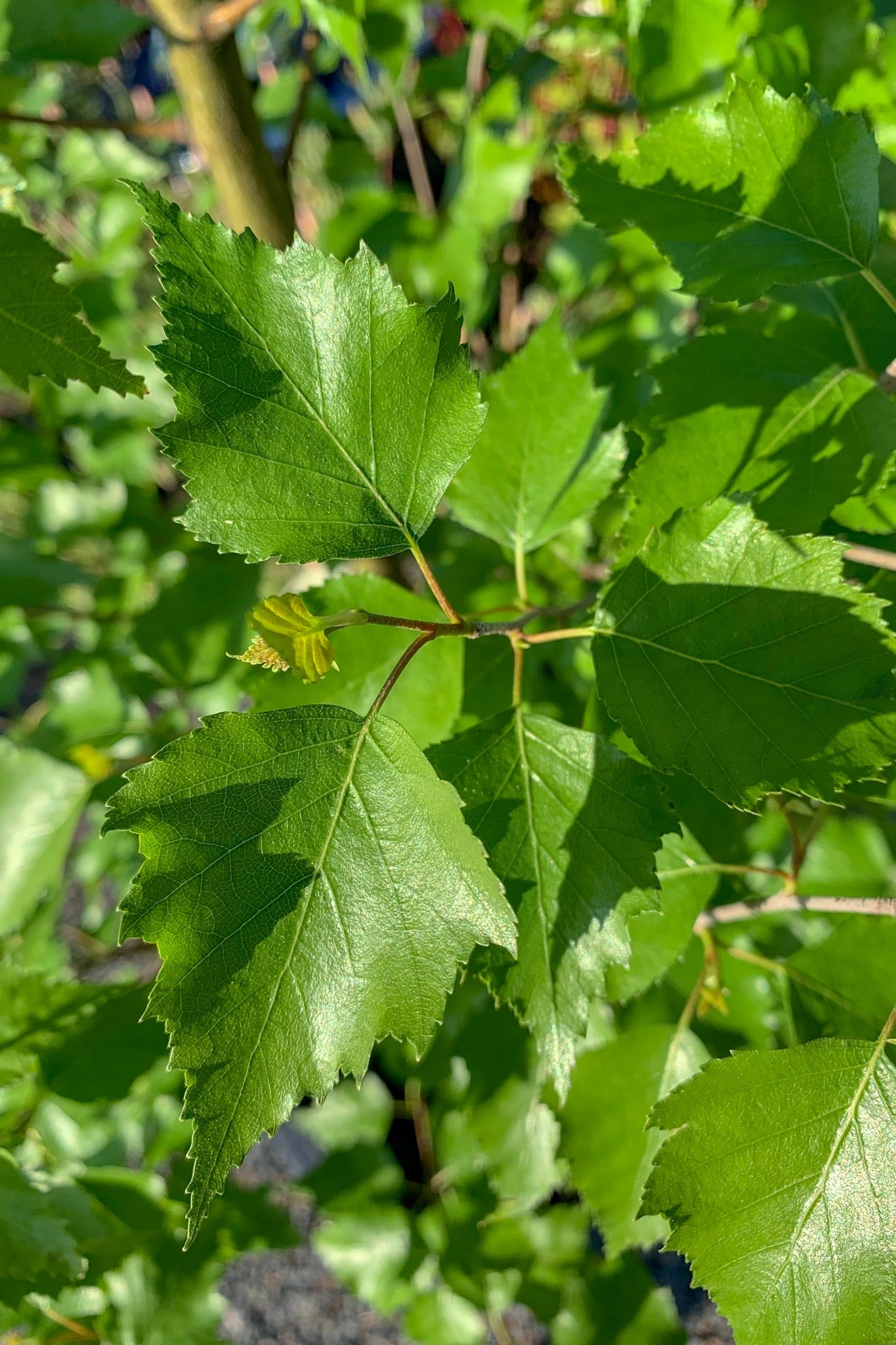
A fantastic new introduction from North Dakota that's hardier than the rest of the species. Smooth white bark gives way to a spire-like columnar habit of growth. has dark green foliage throughout the season. The pointy leaves turn yellow in fall. Known for its insect and drought tolerance.

Golden Splendor Hemlock is primarily valued in the landscape for its distinctively pyramidal habit of growth. It has attractive gold evergreen foliage. The needles are highly ornamental and remain gold throughout the winter.

The Crimson Comet Buttonbush is a fantastic addition to any garden or landscape. With its vibrant red foliage and unique spherical flowers, this plant is sure to stand out. Its beauty is not the only benefit, as it is also a great option for attracting beneficial insects and pollinators. The compact size of the Crimson Comet Buttonbush also makes it a great choice for small gardens and containers.

Michigan Lily is one of the most striking native wildflowers of the Great Lakes region, rising on graceful stems to 24 to 36 inches tall in midsummer and bearing vivid orange flowers whose swept-back petals and dark spotting create an unforgettable, natural drama in the partly shaded border. As a true native species, it supports native pollinators with genuine ecological importance and serves as a host plant for a range of beneficial insects throughout the growing season. Unlike many hybrid lilies, it thrives in partial shade and is perfectly adapted to the moisture and soil conditions of its home region, making it a low-maintenance and reliable garden plant once established. The upright, architectural stems and reflexed flowers draw the eye upward and create a wild, naturalistic effect that pairs beautifully with ferns, native grasses, and other woodland-edge perennials. Deer, rabbits, and most pests leave it alone, and it handles the challenging root chemistry of black walnut trees without missing a beat. A conservation plant with real ornamental value—one of the best reasons to garden with natives.


Common Persimmon is a beautiful native tree that doubles as an edible landscape specimen, offering ornamental merit across all four seasons alongside a generous harvest of sweet, richly flavored orange fruit in fall. Growing to an impressive 30–40 feet with an upright habit in full sun, it makes a striking specimen in a larger yard or naturalized setting. The fruit is best after a frost has softened the flesh and converted the starches to sugar — the result is a deeply sweet, honey-like flavor that’s exceptional fresh or dried. Vivid orange and gold fall foliage is among the most brilliant of any native tree. Fully resistant to deer, rabbits, insects, and disease, it supports birds and wildlife generously and tolerates Black Walnut. A durable, deeply rewarding tree for any landscape that has room for its full, impressive presence.

Pussywillow is a beloved harbinger of spring, producing the iconic soft, silver-gray catkins that appear on bare branches before the leaves emerge and signal winter’s end like nothing else in the garden. Growing 9–15 feet with graceful, weeping branches, it makes a beautiful focal point near water features, rain gardens, or naturalized areas in full sun. Fresh green foliage follows the catkins and holds through summer, turning warm gold and copper-bronze in fall. The cut branches are prized for spring arrangements — snip a few before the catkins fully open and bring them indoors. A native-region plant that supports birds and wildlife, it tolerates wet soils, erosion-prone sites, and Black Walnut with ease. A truly special shrub that connects us to the season’s first stirrings of life.


Blackhaw Viburnum features showy creamy white flat-top flowers at the ends of the branches in mid spring. The royal blue fruits are held in abundance in spectacular clusters from early fall to late winter. It has dark green deciduous foliage. The pointy leaves turn an outstanding purple in the fall.


Summer Wine Ninebark features showy clusters of white flowers at the ends of the branches from late spring to early summer, which emerge from distinctive pink flower buds. It has attractive deep purple deciduous foliage which emerges crimson in spring. The serrated lobed leaves are highly ornamental and turn an outstanding red in the fall. It features abundant showy red capsules from early to mid fall. The peeling tan bark and dark red branches add an interesting dimension to the landscape.


Coral Bells 'Evening Gown' creates dramatic visual impact with its large mounds of glossy black, ruffled foliage that adds striking contrast to garden beds and borders. Delicate pink flower buds on tall scapes open to reveal charming white bell flowers with soft pink undersides, extending the seasonal interest. This perennial thrives in partial shade but adapts well to full shade conditions, making it an excellent choice for challenging garden spots where other plants struggle.

An impressive color accent evergreen for the garden featuring soft green foliage with splashes of white on a compact globe-shaped shrub. The emerging foliage is a pure creamy white. Annual pruning will result in the showiest colors. Needs organic soil.

Rosin Plant is a true prairie original, prized by gardeners who love a landscape with authentic native character. A Midwest prairie native, it forms sturdy, upright clumps of bold green foliage that hold their presence from spring through summer. It settles in happily in full sun with average moisture and, once rooted, stands up to heat and lean soil with classic prairie resilience. Deer and rabbits typically leave it alone, making it an easygoing choice for naturalized plantings and restoration-style gardens. Use it as a structural accent among grasses and other natives, where its upright form lends height and backbone to the planting. It’s a wonderful way to bring a piece of the tallgrass prairie home.


Noble Spirits lends a soft, romantic air to the partly shaded garden, unfurling large, frothy plumes of creamy-white flowers above bold mounds of fresh green, fern-like foliage in summer. This sturdy, clumping perennial builds to a substantial three to five feet, holding its own as an anchor at the back of a shade border or along a woodland path. A more compact, garden-friendly take on the classic, it delivers the airy, astilbe-like blooms goat’s beard is loved for on an exceptionally strong frame. Native to North America, it’s well adapted to our conditions and offers welcome nectar to summer butterflies. Plant it where it receives dappled light and consistent moisture, and it will return more impressive each year. Best of all, deer and rabbits tend to overlook it, so the foliage stays lush from spring to frost.


'Amber Glow' is a compact arborvitae that gives some amazing color. 'Amber Glow' has bright yellow-green foliage during the summer. As fall approaches, the foliage turns a more bright yellow. During the winter months, 'Amber Glow' turns to a brilliant amber to give a unique winter interest. 'Amber Glow' may reach 3-4 ft in height and width in 10 years.


Red Buckeye features showy spikes of ruby-red flowers rising above the foliage from early to mid spring. It has dark green deciduous foliage. The palmate leaves do not develop any appreciable fall color.


Generally, you would need both a male and female bittersweet plant to get the much loved orange berries, but you’ll only need one with Autumn Revolution™ Bittersweet. This beloved native vine is covered in green leaves in the summer and joined by gorgeous orange berries that form in the late summer and get their color in early fall. The berries on Autumn Revolution™ are twice the size of other bittersweet varieties and are great for cut arrangements and other DIY crafts. The berries that aren’t used for crafts in the fall provide wonderful winter interest.

An improvement on native gray dogwood with more colorful winter stems, better disease resistance and a less aggressive habit. Clusters of creamy white, nectar-rich spring flowers are followed by white fruit on showy red stalks that attract cardinals, bluebirds and other songbirds. Shiny, dark gray-green, leaf spot resistant leaves turn deep maroon in fall, the color lasting for weeks. For added interest, new stems are a bright red color over the winter! Adaptable to sun or shade, dry or wet soils. Great for massing or hedging in large areas.


Pagoda Dogwood has clusters of fragrant creamy white flowers held atop the branches in late spring. It has emerald green deciduous foliage. The pointy leaves turn an outstanding burgundy in the fall. It produces navy blue berries in mid summer.


Wild Quinine offers the calm, architectural beauty of flat-topped clusters of crisp white flowers that hover like clouds above coarse, dark green foliage all summer long. Native to the tallgrass prairies of the Midwest, it’s a tough, drought-tolerant perennial that thrives in full sun and lean soil once established. Reaching two to three feet tall and spreading into a substantial clump, it makes a striking accent or a quiet foil for showier prairie companions. Pollinators, especially small native bees and butterflies, work the blooms, while the seed heads dry to a handsome bronze that holds its shape into winter. It’s remarkably trouble-free—deer-resistant once established and untroubled by rabbits, insects, or disease. The papery flower clusters are also long-lasting in fresh and dried arrangements alike.

Leaflets velvety on the lower surface, margins frequently almost parallel are often abruptly rounded at both ends and with a notch at the tip. Flowers small, purple to dark blue with yellow stamens extending beyond the single petal, crowded in narrow, 3-6 in., spike-like clusters at or near the ends of the branchlets, appearing from April to June.

Leatherwood Fern is a dependable, semi-evergreen native fern with attractive, leathery fronds that hold their deep green color well into winter—adding structure and interest to shaded gardens long after deciduous companions have gone dormant. Growing 18 to 24 inches, it forms a tidy, upright clump ideal for borders, mass plantings, or as a ground cover beneath shade trees. As a Great Lakes native, it supports birds and wildlife while naturalizing gracefully in woodland garden settings. Resistant to deer and rabbits, it tolerates Juglone from black walnut trees—a practical choice for challenging garden spots. Low maintenance and long-lived, it rewards reliable performance once established.

Plum Rosy False Indigo is a stunning Baptisia with upright spikes of rosy-pink pea-like flowers that emerge in spring above fresh blue-green foliage. As a Great Lakes native and deep-rooted perennial, it takes a few seasons to establish but rewards patience with decades of increasingly impressive performance. Growing 3 to 5 feet tall and wide, it forms a substantial, shrub-like clump that looks beautiful even when not in bloom—the blue-green foliage provides a refined backdrop for summer companions, and the inflated seed pods add ornamental interest into fall. Deer resistant, drought tolerant once established, and Juglone tolerant. One of the most long-lived and distinguished perennials for the native garden.
Showing 364/493
Next
Have questions?
Shopping Consultation
Now you can book an in-person appointment with one of our product experts who'll help you find everything you need prefect for your home and garden, including outdoor and indoor plants, garden essentials, furniture, home décor, pet food and accessories, apparel, bath + body, and much more.
You Recently Browsed ...


