
Evergreens exc boxwood (for programming)
325 products
Sort by:
325 products
325 products


Blue and beautiful are the two best words to describe Abies balsamea ‘Tyler Blue’. The distinctive blue foliage stands out in the landscape where this pyramidal tree commands attention. The lush needles are soft to the touch, typical of other balsam firs. It is a fairly compact grower that prefers well-drained soil. ‘Tyler Blue’ enjoys full sun but will maintain its attractive blue color in partial shade.
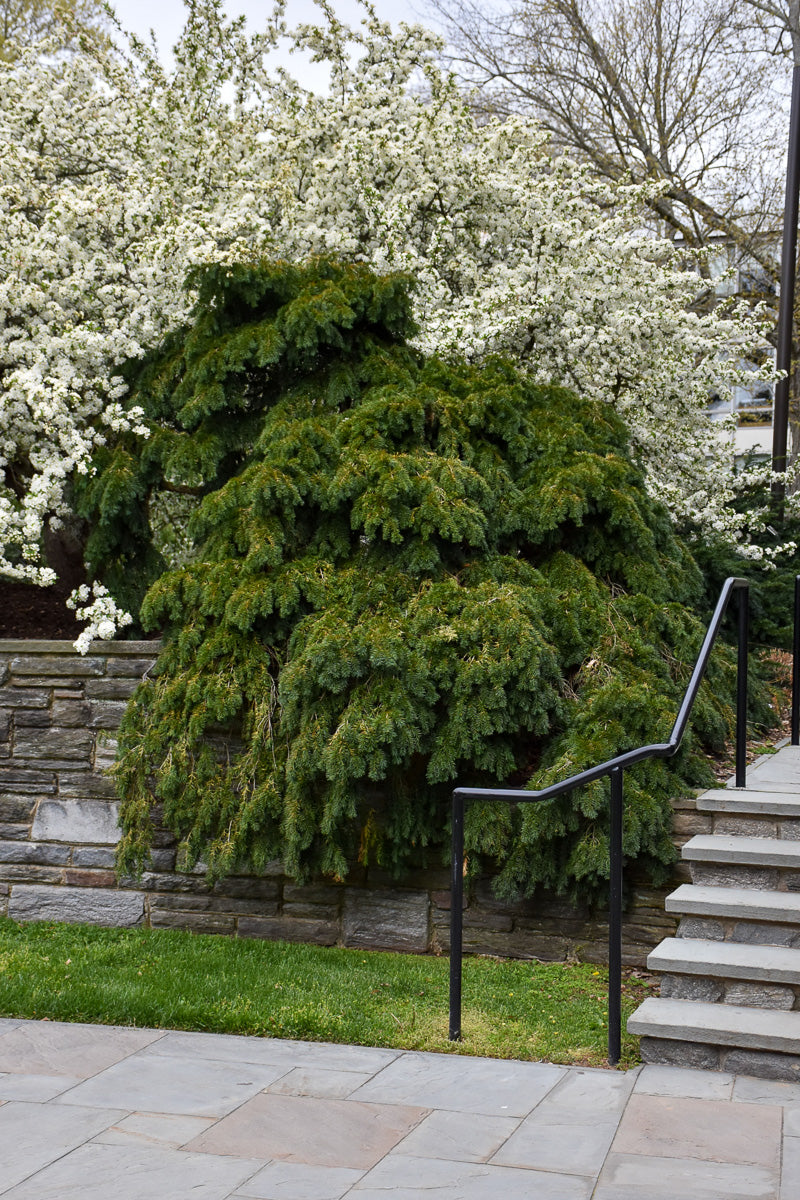
Repandens English Yew is a dwarf conifer which is primarily valued in the garden for its broadly spreading habit of growth. It has dark green evergreen foliage which emerges light green in spring. The ferny sprays of foliage remain dark green throughout the winter. The fruits are showy red drupes displayed from early to late fall.


A dense and compact spire-shaped evergreen accent tree for general landscape use with large stout branches and long, very pointy silvery-blue needles, very showy and colorful, an ideal size for smaller home landscapes, extremely hardy and rugged
Fat Albert Blue Spruce has attractive blue foliage which emerges silvery blue in spring. The needles are highly ornamental and remain blue throughout the winter. Neither the flowers nor the fruit are ornamentally significant. The rough gray bark adds an interesting dimension to the landscape.
Fat Albert Blue Spruce is a dense evergreen tree with a strong central leader and a distinctive and refined pyramidal form. Its average texture blends into the landscape, but can be balanced by one or two finer or coarser trees or shrubs for an effective composition.
This is a relatively low maintenance tree. When pruning is necessary, it is recommended to only trim back the new growth of the current season, other than to remove any dieback. It is a good choice for attracting birds to your yard, but is not particularly attractive to deer who tend to leave it alone in favor of tastier treats. It has no significant negative characteristics.
Fat Albert Blue Spruce will grow to be about 18 feet tall at maturity, with a spread of 10 feet. It tends to fill out right to the ground and therefore doesn't necessarily require facer plants in front, and is suitable for planting under power lines. It grows at a slow rate, and under ideal conditions can be expected to live for 80 years or more.
This tree should only be grown in full sunlight. It is very adaptable to both dry and moist growing conditions, but will not tolerate any standing water. It is considered to be drought-tolerant, and thus makes an ideal choice for xeriscaping or the moisture-conserving landscape. It is not particular as to soil type or pH, and is able to handle environmental salt. It is highly tolerant of urban pollution and will even thrive in inner city environments. This is a selection of a native North American species.
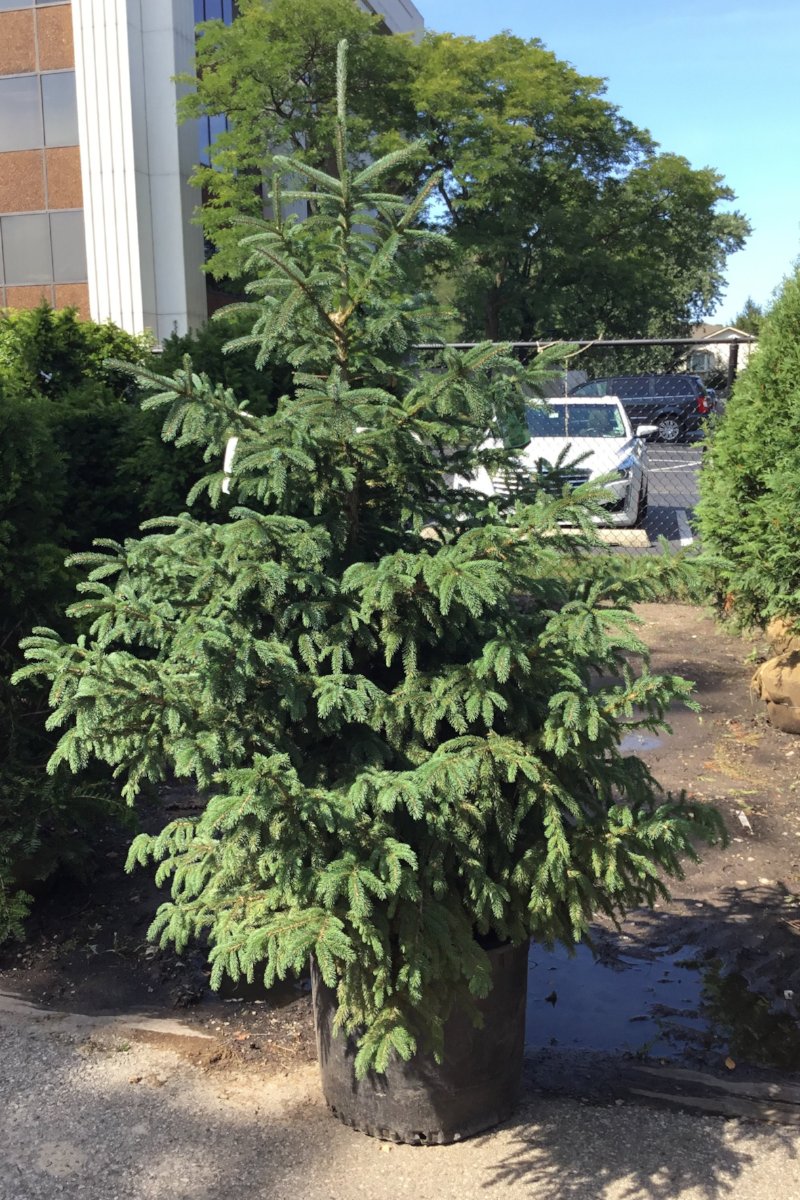
A spire-like evergreen, tall and stately with bluish-green needles, more densely branched and fuller than the rest of the species. It's very tough, adaptable, and makes a wonderful vertical accent for the larger home landscape. Works well as a windbreak or in a shelterbelt. This is a relatively low maintenance tree.


A fern-leaf form of 'Gold Mops', this forms a vigorous golden mound. The bright yellow foliage has a soft texture, and holds its color well in the summer and winter. It prefers a well-drained site. Use for foundation plantings or a colorful accent in the landscape. Discovered in Ohio.

April Snow Rhododendron is blanketed in stunning clusters of lightly-scented white trumpet-shaped flowers at the ends of the branches in early spring. It has dark green evergreen foliage. The narrow leaves turn an outstanding coppery-bronze in the fall, which persists throughout the winter.


White Spruce is primarily valued in the landscape for its distinctively pyramidal habit of growth. It has bluish-green evergreen foliage which emerges light green in spring. The needles remain bluish-green throughout the winter. The smooth gray bark adds an interesting dimension to the landscape.
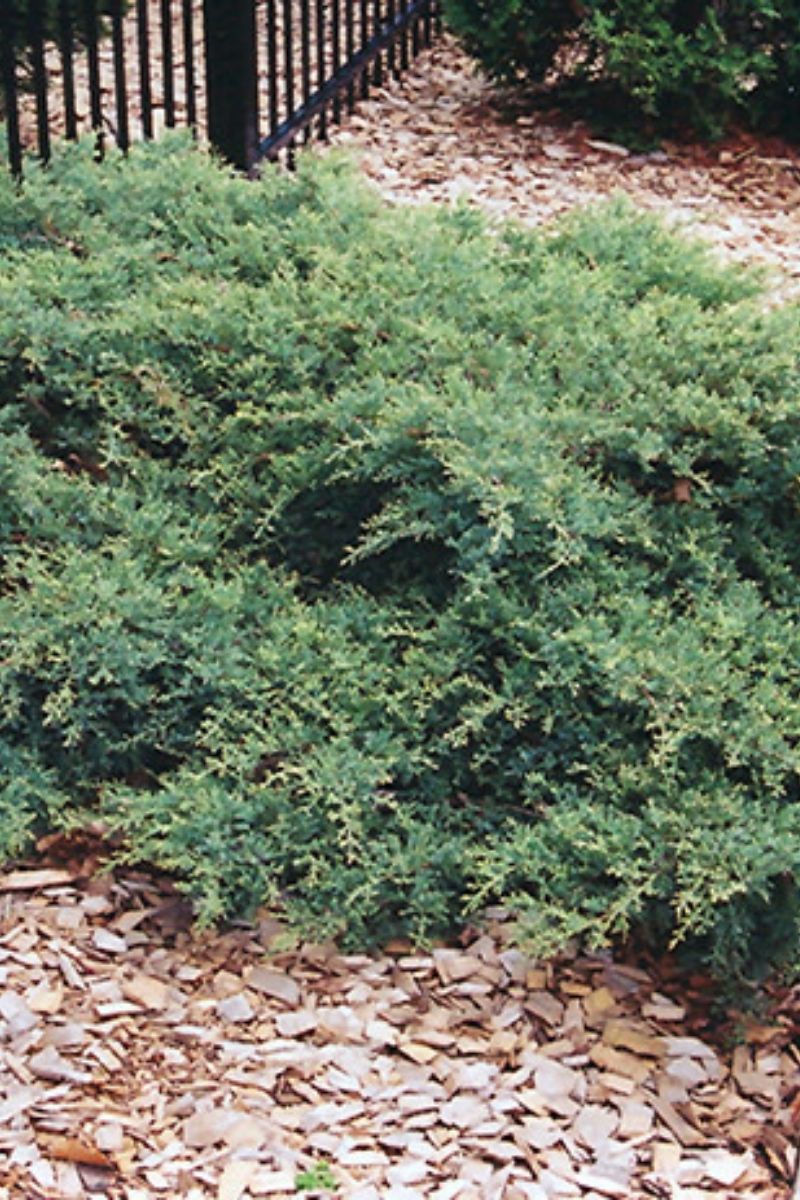
One of the most compact Pfitzer junipers available, yet maintaining the pleasantly arching sprays of foliage; bluish green needles impart a fine textural effect, great for a spreading groundcover or in masses in the garden


Kewensis Wintercreeper has attractive dark green evergreen foliage on a plant with a spreading habit of growth. The tiny glossy oval leaves are highly ornamental and turn an outstanding dark red in the fall, which persists throughout the winter.

Everest Azalea is covered in stunning clusters of lightly-scented semi-double white trumpet-shaped flowers with a lavender blotch at the ends of the branches from mid to late spring before the leaves. It has dark green deciduous foliage. The glossy narrow leaves do not develop any appreciable fall color.


Blue Korean Arborvitae is primarily valued in the landscape for its distinctively pyramidal habit of growth. It has attractive bluish-green foliage with silvery blue undersides and tinges of powder blue which emerges green in spring. The scale-like sprays of foliage are highly ornamental and remain bluish-green throughout the winter. The shaggy antique red bark adds an interesting dimension to the landscape.


Algonquin Pillar Swiss Stone Pine is primarily valued in the landscape for its distinctively pyramidal habit of growth. It has powder blue-variegated dark green foliage. The needles remain dark green throughout the winter.


Kamenz Serbian Spruce is a dwarf conifer which is primarily valued in the garden for its interestingly mounded form. It has attractive bluish-green foliage with silver undersides which emerges light green in spring. The needles are highly ornamental and remain bluish-green throughout the winter.


Compact Oregon Grape is primarily grown for its highly ornamental fruit. It features an abundance of magnificent blue berries from mid summer to early fall. It features showy racemes of fragrant yellow flowers hanging below the branches in early spring. It has dark green evergreen foliage which emerges burgundy in spring. The spiny pinnately compound leaves turn an outstanding coppery-bronze in the fall, which persists throughout the winter.
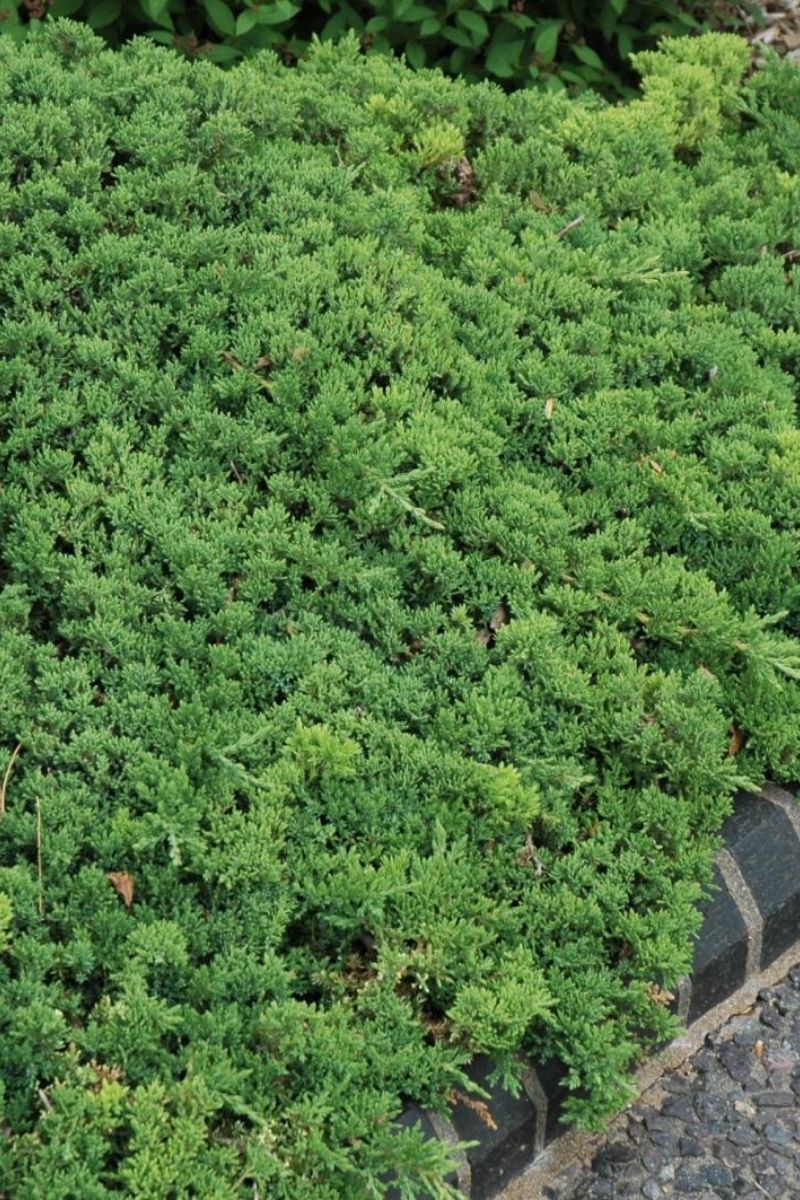
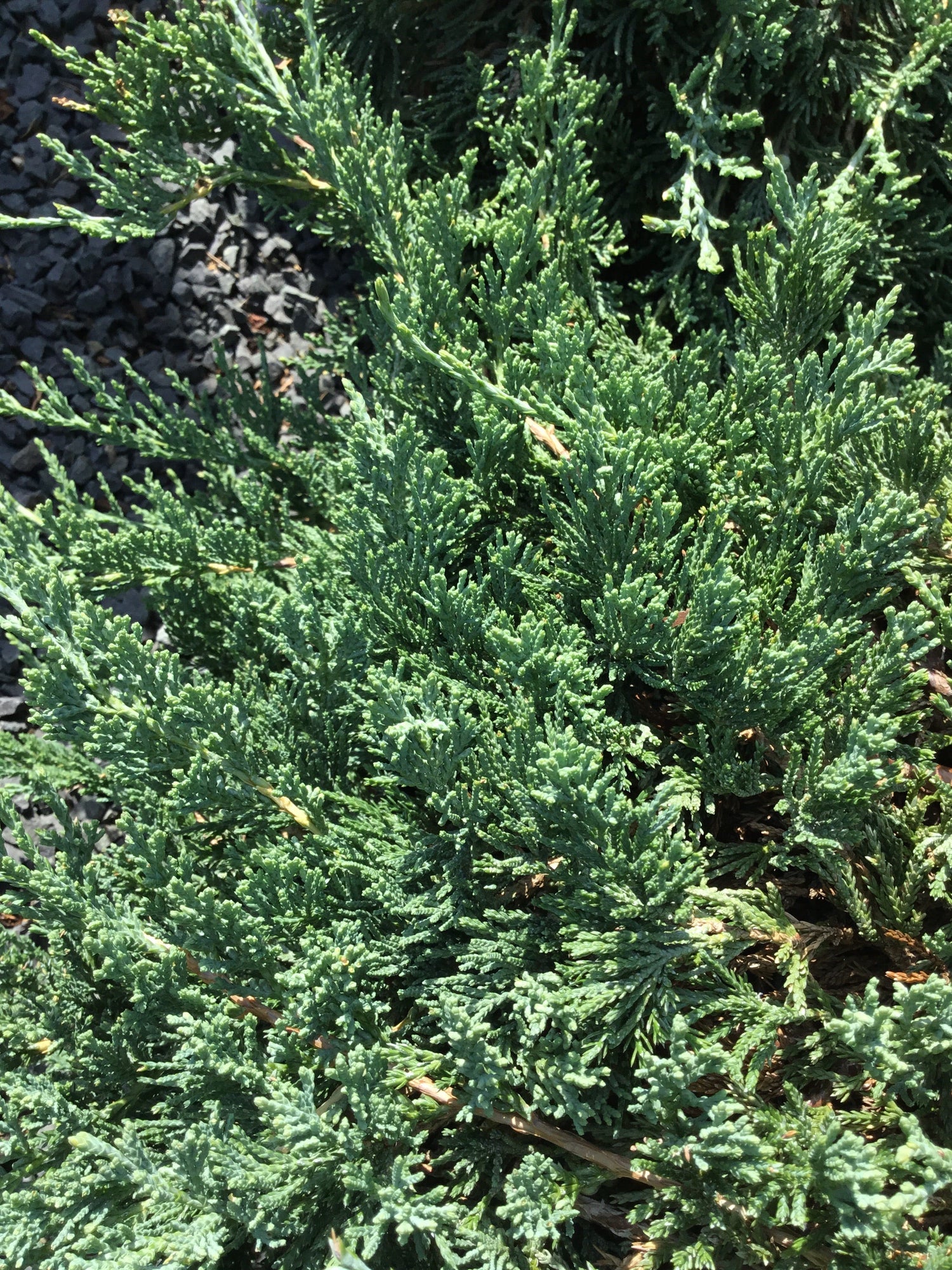


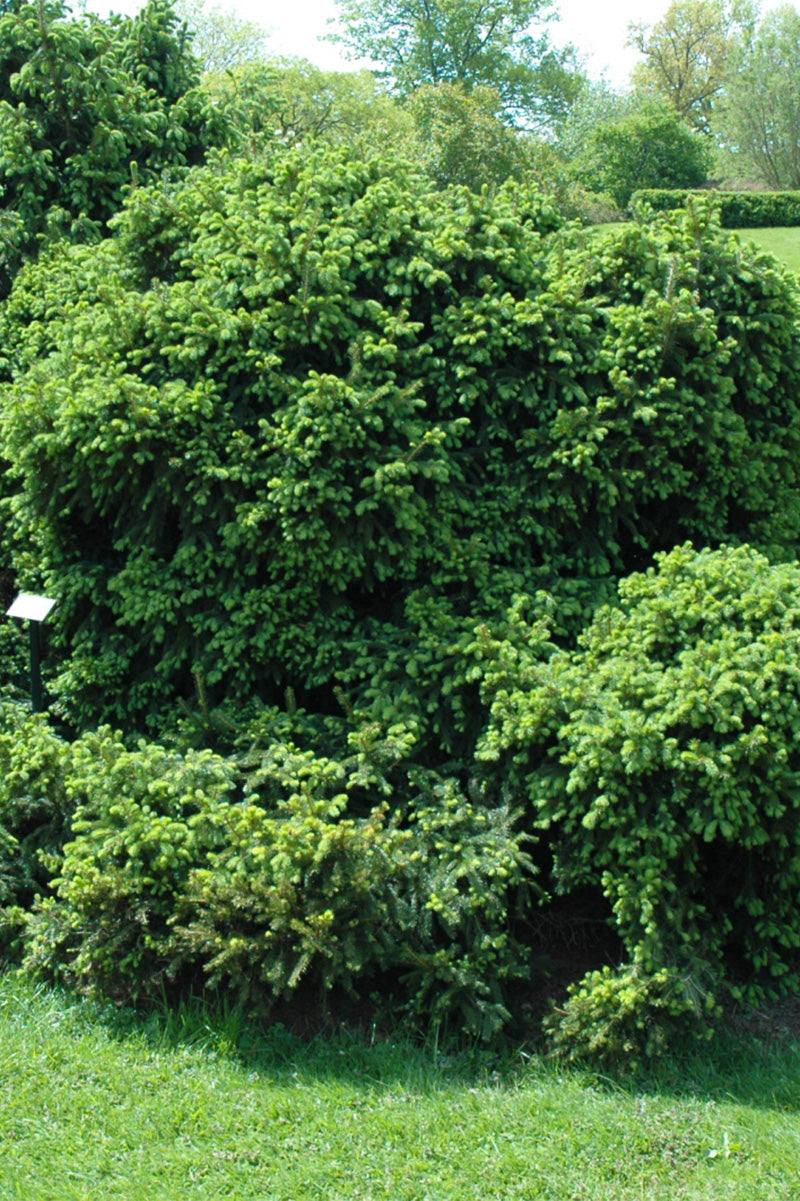


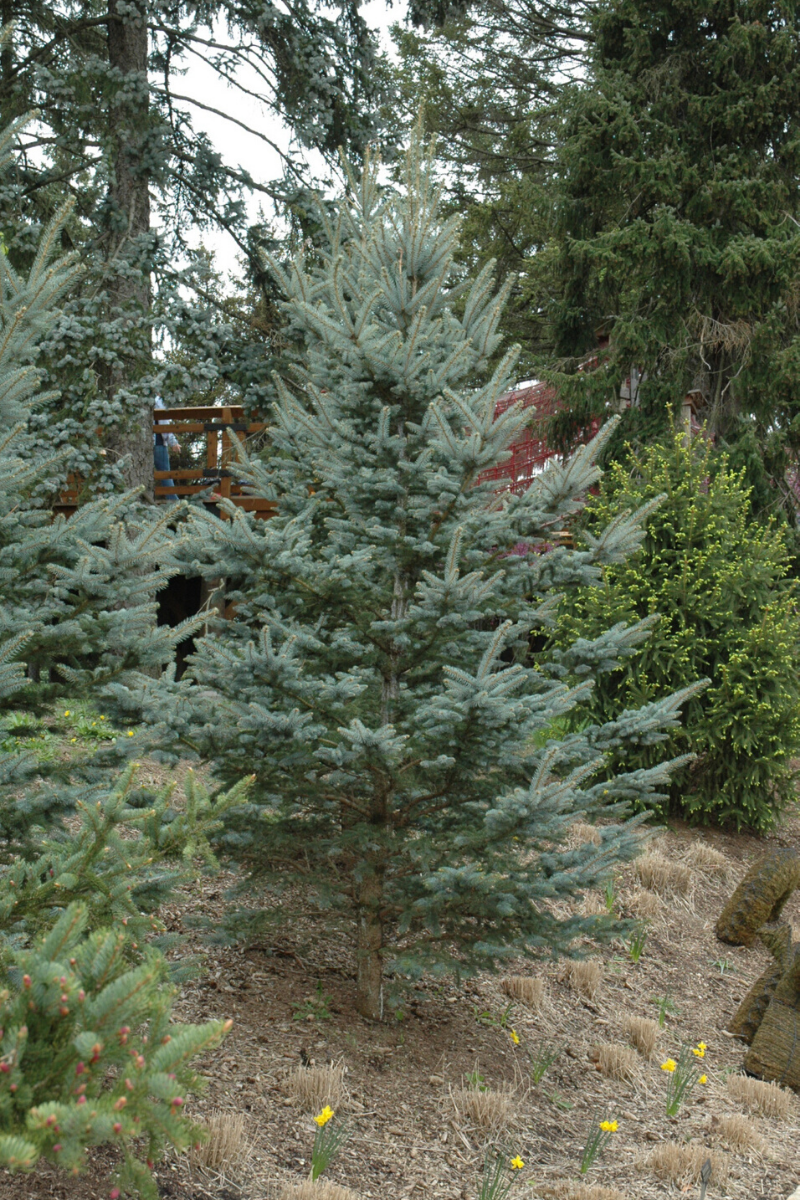
A truly different cultivar noted for the foxtail appearance of its new branches, with the bright blue needles at the branch tips shorter than the needles at the base; excellent for buffer planting and as a striking accent tree Iseli Foxtail Spruce has attractive blue foliage. The needles are highly ornamental and remain blue throughout the winter. Neither the flowers nor the fruit are ornamentally significant. Iseli Foxtail Spruce is a dense evergreen tree with a strong central leader and a distinctive and refined pyramidal form. Its relatively fine texture sets it apart from other landscape plants with less refined foliage. This is a relatively low maintenance tree. When pruning is necessary, it is recommended to only trim back the new growth of the current season, other than to remove any dieback. Deer don't particularly care for this plant and will usually leave it alone in favor of tastier treats. It has no significant negative characteristics. Iseli Foxtail Spruce is recommended for the following landscape applications; Accent Vertical Accent This tree should only be grown in full sunlight. It is very adaptable to both dry and moist growing conditions, but will not tolerate any standing water. It is considered to be drought-tolerant, and thus makes an ideal choice for xeriscaping or the moisture-conserving landscape. It is not particular as to soil type or pH, and is able to handle environmental salt. It is highly tolerant of urban pollution and will even thrive in inner city environments. This is a selection of a native North American species.


Showing 308/325
Next
Have questions?
Shopping Consultation
Now you can book an in-person appointment with one of our product experts who'll help you find everything you need prefect for your home and garden, including outdoor and indoor plants, garden essentials, furniture, home décor, pet food and accessories, apparel, bath + body, and much more.
You Recently Browsed ...


