
Products
879 of 25001 products
Sort by:
879 of 25001 products
879 of 25001 products

Frostbite™ Apple is a small tree that is typically grown for its edible qualities. It produces small dark red apples (which are botanically known as 'pomes') with hints of gold and white flesh which are usually ready for picking from early to mid-fall. The apples have a sweet taste and a crisp texture.
The apples are most often used in the following ways:


An exceptional apple tree featuring showy light pink flowers in spring and delicious golden-yellow fruit on short spurs along the trunk in fall, tightly columnar habit of growth; makes a great accent for smaller areas needs well-drained soil and full sun

Honeycrisp Apple has earned its reputation as one of the most beloved apple varieties in the world, combining an extraordinary crisp, juicy texture with a perfectly balanced sweet-tart flavor that makes every bite an event. White spring blossoms are a beautiful ornamental display, and the vase-shaped tree reaches 20–30 feet at maturity in full sun. Fruit ripens from early to midfall, and the gorgeous red apples are outstanding for fresh eating — though they preserve, bake, and juice beautifully as well. Rich burgundy and gold fall foliage adds seasonal color after harvest. Cold-hardy and reliable, Honeycrisp is a natural fit for Midwestern home orchards. For best fruit production, plant with a compatible pollinator variety nearby.

Honeygold Apple is a small tree that is typically grown for its edible qualities. It produces large yellow round apples (which are botanically known as 'pomes') with hints of red and white flesh which are usually ready for picking from mid to late fall. The apples have a sweet taste and a crisp texture.
The apples are most often used in the following ways:

Macintosh Apple is a small tree that is typically grown for its edible qualities. It produces red round apples (which are botanically known as 'pomes') with hints of light green and white flesh which are usually ready for picking from early to mid fall. The apples have a tart taste and a crisp texture.
The apples are most often used in the following ways:


Red Delicious Apple is an iconic American variety loved for its deep crimson fruit with crisp, creamy-white flesh and satisfyingly sweet flavor that has made it a grocery-store and home-orchard staple for generations. Fragrant white spring blossoms are ornamentally beautiful, and the graceful vase-shaped tree grows 20–30 feet in full sun, making a handsome specimen in a larger yard or orchard planting. Fruit ripens from late summer to early fall, bringing birds to the garden and providing a generous harvest for fresh eating. The foliage puts on a lovely show of orange, burgundy, and gold as temperatures drop in autumn. Cold-hardy and adaptable, Red Delicious performs reliably in Midwestern gardens with moderate watering. For the best fruit set, plant alongside a compatible pollinator variety.

Red Fuji Apple is one of the world’s most celebrated apple varieties, prized for its large, strikingly beautiful red-blushed fruit with exceptional sweetness, juicy crunch, and remarkable shelf life. White spring blossoms are ornamentally lovely, and the upright tree grows 20–30 feet tall in full sun, making a fine specimen in a backyard orchard. Fruit ripens in midfall and is superb for fresh eating, juicing, and long storage. The foliage transitions to warm shades of orange and gold before dropping in autumn. Cold-hardy and adaptable, Red Fuji performs reliably in Midwestern gardens with full sun and moderate moisture. Pair with a compatible pollinator variety for the best crop yields.

SnowSweet® Apple is a small tree that is commonly grown for its edible qualities. It produces red round apples (which are botanically known as 'pomes') with coppery-bronze overtones and white flesh which are usually ready for picking from late summer to early fall. The apples have a sweet taste and a juicy texture.
The apples are most often used in the following ways:

A very hardy and popular red-streaked apple with a greenish blush, good tart flavor, keeps well; eating apples are high maintenance and need a second pollinator; the perfect combination of accent and fruit tree, needs well-drained soil and full sun

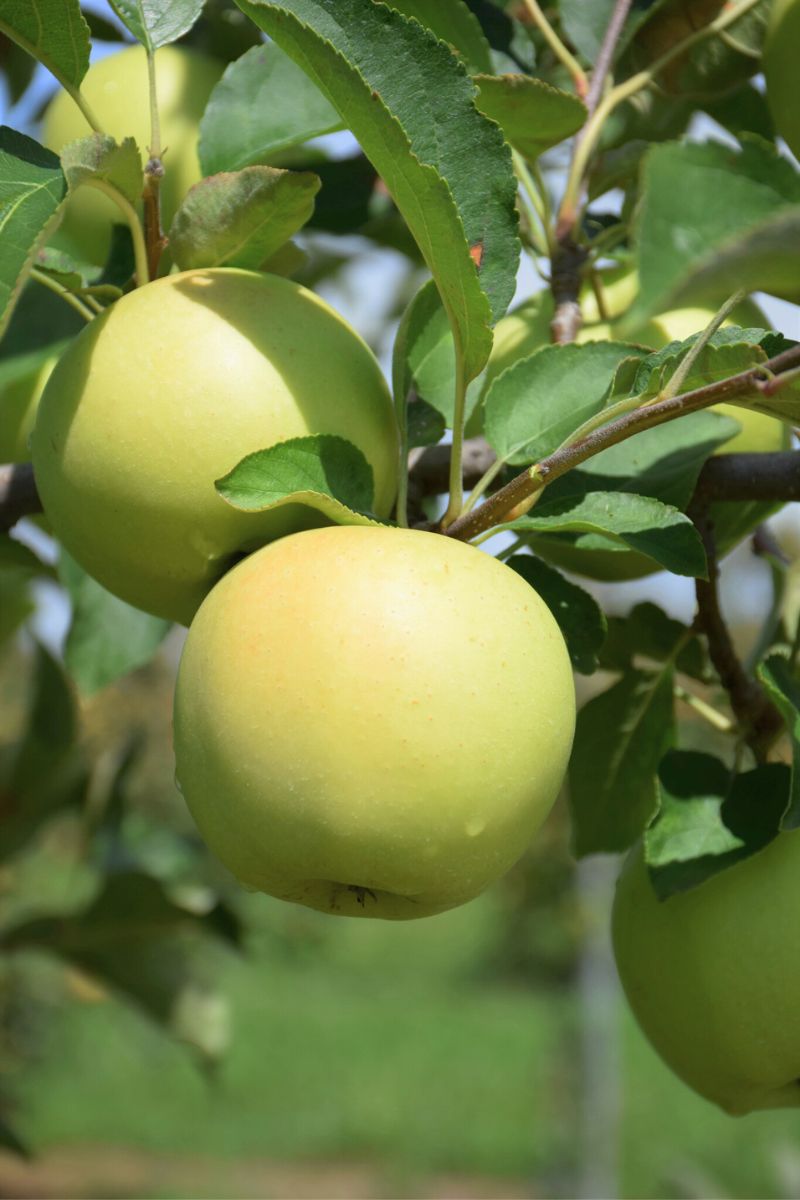
Yellow Delicious Apple is a small tree that is typically grown for its edible qualities. It produces large chartreuse round apples (which are botanically known as 'pomes') with yellow overtones and white flesh which are usually ready for picking from early to mid fall. The apples have a sweet taste and a crisp texture.
The apples are most often used in the following ways:


Tawara Asian Pear has an upright oval shape with glossy green foliage that looks great all season long. White flowers in spring develop into unusual dark tan to light brown crisp fruit that tastes like a cross between apple and pear. The fruit is excellent for eating or canning. Asian pear cultivars are partially self-fruitful, but better crops are set where two or more cultivars are planted together. European pears or Asian pears, such as ‘Seckel,’ ‘Bosc,’ or ‘Bartlett’ can be used for pollination.


Baby Cakes® is a dwarf, thornless blackberry perfect for patio pots with its compact habit. In summer, large, classic and sweet tasting berries present on the plant in a fireworks-like spray of fruit. In most regions, this blackberry will produce twice in one season!
Height: 3 feet
Spread: 3 feet
Sunlight:

Black Satin Thornless Blackberry is a small shrub that is typically grown for its edible qualities. It produces large clusters of black oval berries which are usually ready for picking in mid summer. The berries have a sweet taste and a juicy texture.
The berries are most often used in the following ways:

Bred by the Scottish Crop Research Institute, Rubus fruticosus ‘Loch Ness’ is both thornless and compact, making it ideal for growing in smaller gardens. Despite the size of the plants, the berries are huge – each one weighing around 4 grams.
Rubus 'Loch Ness' is known for attracting bees, beneficial insects, birds, butterflies​/​moths and other pollinators. It nectar-pollen-rich-flowers, has seeds for birds and is a caterpillar food plant.

We tasted hundreds of different blackberries so you wouldn’t have to! From amongst many, many trials, we selected Taste of Heaven thornless blackberry for its super large and super sweet berries. Unlike some options that are all seed and no juice, the ratio is perfect with these inch long fruits. You’ll get to enjoy harvesting for several weeks in the summertime and you won’t get cut once, as this variety is thornless. This variety produces fruit on second-year canes, so you don’t technically need to support it if you keep it well pruned. If you plan to plant a few of them, you’ll find it easier to harvest and trim them if they are trellised.

A revolutionary new blackberry variety! The best of eastern and western blackberry genetics have been crossed to create Twilight, a new distinctive, hardy, thornless, semi-erect blackberry variety out of Oregon State. It is fairly early ripening for a semi-erect blackberry, and it produces large sized, very firm berries with durable, glossy midnight purple skin and a distinguished crisp textured "pop" when eaten! Less bleeding and handles better than other blackberry cultivars.


Blue Crop Blueberry is a small shrub that is commonly grown for its edible qualities. It produces clusters of blue round berries which are usually ready for picking in mid-summer. The berries have a sweet taste and a juicy texture.
The berries are most often used in the following ways:


Bonus Blueberry is a medium-sized shrub that is commonly grown for its edible qualities. It produces clusters of blue round berries which are usually ready for picking in mid summer. The berries have a sweet taste and a juicy texture.
The berries are most often used in the following ways:


Perfect in pots, this exciting dwarf variety produces full-size fruit on a small-sized plant. Features dainty clusters of white bell-shaped flowers with shell pink overtones in mid spring followed by sweet blueberries in mid-summer. Glossy, elongated leaves with red highlights turn yellow and red in the fall. Blueberries require acidic, well-drained soil and full sun for best performance. For heavier clay soils, the addition of soil sulfur helps to lower the pH while shredded pine or pine fines will improve aeration and drainage. While self-pollinating, a different blueberry planted nearby will improve both the fruit size and quantity.

Showing 224/879
Next
Have questions?
Shopping Consultation
Now you can book an in-person appointment with one of our product experts who'll help you find everything you need prefect for your home and garden, including outdoor and indoor plants, garden essentials, furniture, home décor, pet food and accessories, apparel, bath + body, and much more.
You Recently Browsed ...


