
Search results
961 results
Search results

Pussywillow is a beloved harbinger of spring, producing the iconic soft, silver-gray catkins that appear on bare branches before the leaves emerge and signal winter’s end like nothing else in the garden. Growing 9–15 feet with graceful, weeping branches, it makes a beautiful focal point near water features, rain gardens, or naturalized areas in full sun. Fresh green foliage follows the catkins and holds through summer, turning warm gold and copper-bronze in fall. The cut branches are prized for spring arrangements — snip a few before the catkins fully open and bring them indoors. A native-region plant that supports birds and wildlife, it tolerates wet soils, erosion-prone sites, and Black Walnut with ease. A truly special shrub that connects us to the season’s first stirrings of life.

A hardy large shrub for use in trimmed hedges. Takes shearing exceptionally well. It's also known as the European Privet. If left unpruned, it grows interesting white flowers followed by black berries in the fall. Its relatively fine texture sets it apart from other landscape plants with less refined foliage. This is a selected variety of a species not originally from North America, however, it is adaptable and thrives even in urban environments.

Peach Drift Rose features showy clusters of lightly-scented peach cup-shaped flowers at the ends of the branches from late spring to mid fall. The flowers are excellent for cutting. It has dark green deciduous foliage. The oval compound leaves do not develop any appreciable fall color.

Pinktini Lilac is a refined, upright selection that produces beautifully fragrant panicles of soft pink flowers rising above lush green foliage in spring, bringing one of the season’s most beloved fragrances to a larger landscape form. Growing 15–20 feet with a graceful mounding habit, it makes a stunning specimen, informal screen, or back-of-border anchor in full sun. Butterflies flock to the blooms, and birds shelter in the dense foliage through the growing season. Lush green leaves hold cleanly through summer, providing a handsome neutral backdrop after the flowers fade. Fully resistant to deer, rabbits, insects, and disease, and tolerant of Black Walnut and cold conditions, it’s a dependable, long-lived choice for any garden. A timeless lilac for gardeners who want both fragrance and a strong landscape presence.


Lemon Burst® Arborvitae is moderately sized with broadly conical form and tight habit. This evergreen thrives in warm climates, does equally well in cold climates, and is resistant to Passalora/Cercospora needle blight. Yellow new growth keeps its color even when grown in full sun. In cool climates during winter, the foliage takes on lovely orange tones. Lemon Burst® is a great choice for year-round color and stunning winter interest.

A hybrid between hibiscus syriacus and hibiscus paramutabilis, Rose Moon is a hardy, large flowering hibiscus also referred to as the Rose of Sharon. Growing up to 9 ft. tall in an upright, bushy habit, Rose Moon produces blooms that grow to almost 8 in. in diameter! This hibiscus blooms summer through fall and makes a fantastic hedge plant.


Produces spectacular clusters of light lavender-blue flowers without winter chilling! A midseason bloomer that typically flowers in mid-May. Bright green foliage maintains its attractive appearance all summer. Plant near a window or pathway where the fragrant blooms can be enjoyed. Deciduous.


Iroquois Beauty Black Chokeberry features airy panicles of white flowers with brick red anthers at the ends of the branches in mid spring. It features an abundance of magnificent deep purple berries from late summer to late winter. It has dark green deciduous foliage. The glossy oval leaves turn an outstanding burgundy in the fall.

Brindabella Roses™, a collection of tough shrub roses selected for superior garden performance and show-stopping flowers. These roses have a bushy growth habit, excellent disease resistance, and fragrant doubled flowers in an array of traditional and modern colors.


A beautiful, adaptable and hardy shrub offering four-seasons of interest. Vibrant red twigs are stunning in the winter garden. Spring flowers yield small ornamental fruit that is attractive to birds. Colorful fall foliage. Spreading habit is helpful in controlling erosion. Tolerates clay, wet soil. Deciduous.
Mature Height: 6’ to 9’
Mature Width: 8’ to 12’
Sunlight: Full sun to part shade
Soil: Rich, consistently moist soil
Hardiness Zone: 3 - 8
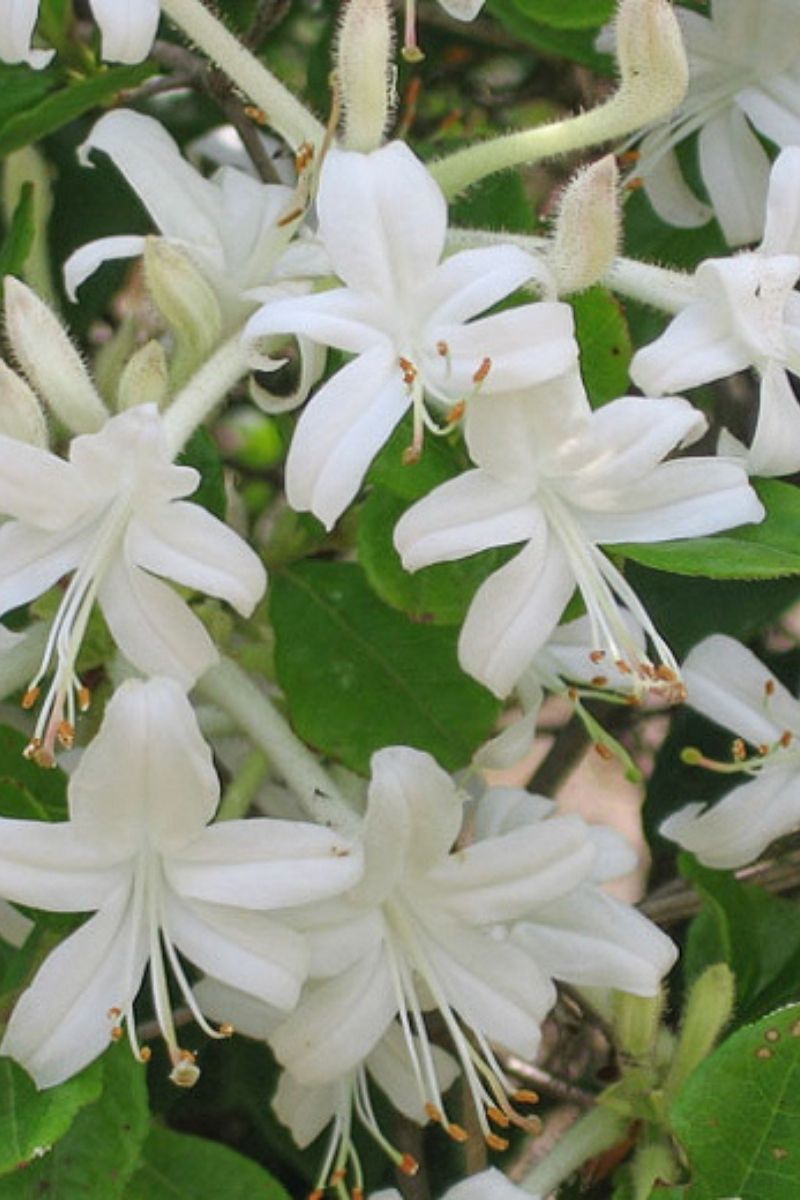
Prized for its strongly-scented flowers and beautiful fall foliage Swamp Azalea is a very appealing native to the swamps of the eastern United States, from Maine to Alabama, and westward to Texas. This bushy, medium-sized, deciduous shrub bears funnel-shaped, white flowers, often tinged pink, with long slender tubes. Held in small clusters of 3-12 flowers, they bloom profusely after the leaves emerge, in early summer and exude a strong clove-like perfume. The foliage of lustrous, elliptic, dark green leaves turns brilliant shades of yellow, orange and purple in fall, for a great colorful show. Exceptionally cold-hardy, this late season Azalea can withstand temperatures as low as to -20 °F (-29 °C). A wonderful landscape plant that deserves a place near a patio, deck or living area, where its delightful fragrance can be enjoyed.

This compact rounded shrub is bathed in pure white double flowers all season long, beautifully contrasting the fine textured, rich green foliage. It's hardy, tough and adaptable to all conditions, but dislikes wet soils. The stunning white flowers feature gold eyes at the ends of the branches from late spring to early fall. It has dark green foliage throughout the season. Use it anywhere in the garden or even as a groundcover of sorts. It will do well in containers too.


Forsythia ‘Lynwood Gold’ is the definitive herald of Michigan spring, draping every arching branch in brilliant golden-yellow blossoms before a single leaf appears. Its vigorous, fountaining habit makes it a showstopper along borders and fence lines, delivering an annual curtain of color that signals the end of winter with unmistakable flair. Deer, rabbit, pest, and disease resistant, it rewards minimal care with dependable season-after-season performance in full sun. Hardy through the coldest winters and tolerant of Black Walnut root competition, ‘Lynwood Gold’ is a proven Great Lakes landscape stalwart.
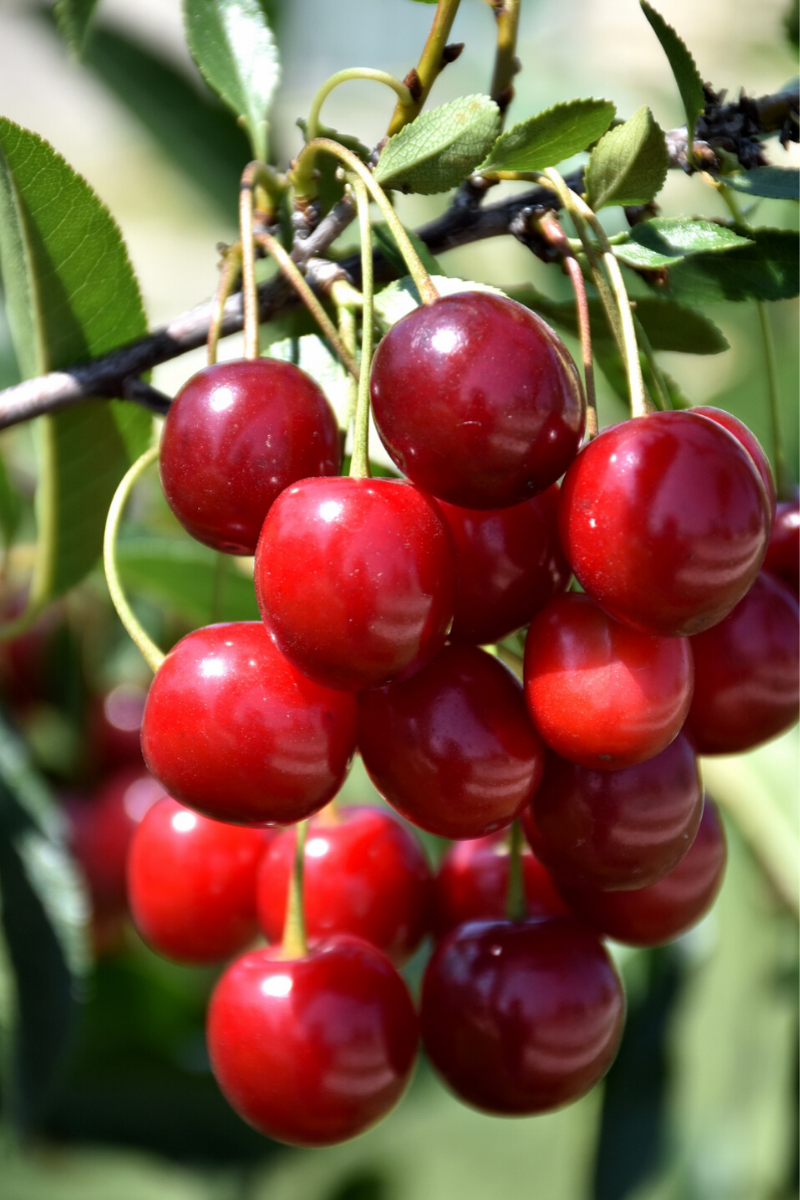
A compact, early bloomer with bright red cherries that are sweet and slightly astringent, fantastic for making jams. jellies, and pies; vigorous and hardy, it is perfect for a home garden or small orchard Sweet Cherry Pieâ„¢ Cherry is a large shrub that is typically grown for its edible qualities. It produces cherry red round fruit (technically 'drupes') which are usually ready for picking from early to mid summer. Note that the fruits have hard inedible pits inside which must be removed before eating or processing. The fruits have a sweet taste and a juicy texture. The fruit are most often used in the following ways: Baking Preserves Sweet Cherry Pieâ„¢ Cherry features showy clusters of fragrant white flowers along the branches in mid spring. It has green foliage throughout the season. The glossy oval leaves turn yellow in fall. The fruits are showy cherry red drupes carried in abundance from early to mid summer. This is a multi-stemmed deciduous shrub with a more or less rounded form. Its average texture blends into the landscape, but can be balanced by one or two finer or coarser trees or shrubs for an effective composition. This is a high maintenance plant that will require regular care and upkeep, and is best pruned in late winter once the threat of extreme cold has passed. It is a good choice for attracting birds to your yard. Gardeners should be aware of the following characteristic(s) that may warrant special consideration; Suckering Disease Aside from its primary use as an edible, Sweet Cherry Pieâ„¢ Cherry is sutiable for the following landscape applications; Accent Hedges/Screening General Garden Use Naturalizing And Woodland Gardens Orchard/Edible Landscaping This shrub is typically grown in a designated area of the yard because of its mature size and spread. It should only be grown in full sunlight. It does best in average to evenly moist conditions, but will not tolerate standing water. It is not particular as to soil type or pH. It is highly tolerant of urban pollution and will even thrive in inner city environments. This particular variety is an interspecific hybrid.