
Search results
965 results
Search results

34'' x 70'' 80% viscose 20% cotton Designed By JC Hand wash; dry flat Super Soft


Few blues in the garden rival the cool, clear sky-blue of Cape Leadwort, whose phlox-like flower clusters open in waves from summer well into fall. Its loose, mounding form spills gracefully over the edge of a container, low wall, or sunny bed, reaching two to three feet as it settles in. A true sun-lover that blooms most generously in summer heat, it’s a wonderful way to carry fresh, true-blue color into the season when many other flowers begin to fade. Butterflies frequent the nectar-rich blooms, and it rewards you with repeat flowering right up to frost. Deer and rabbits tend to leave its glossy foliage untouched, keeping the plant looking its best. Give it a warm, sunny spot with well-drained soil and it will bloom with abandon.
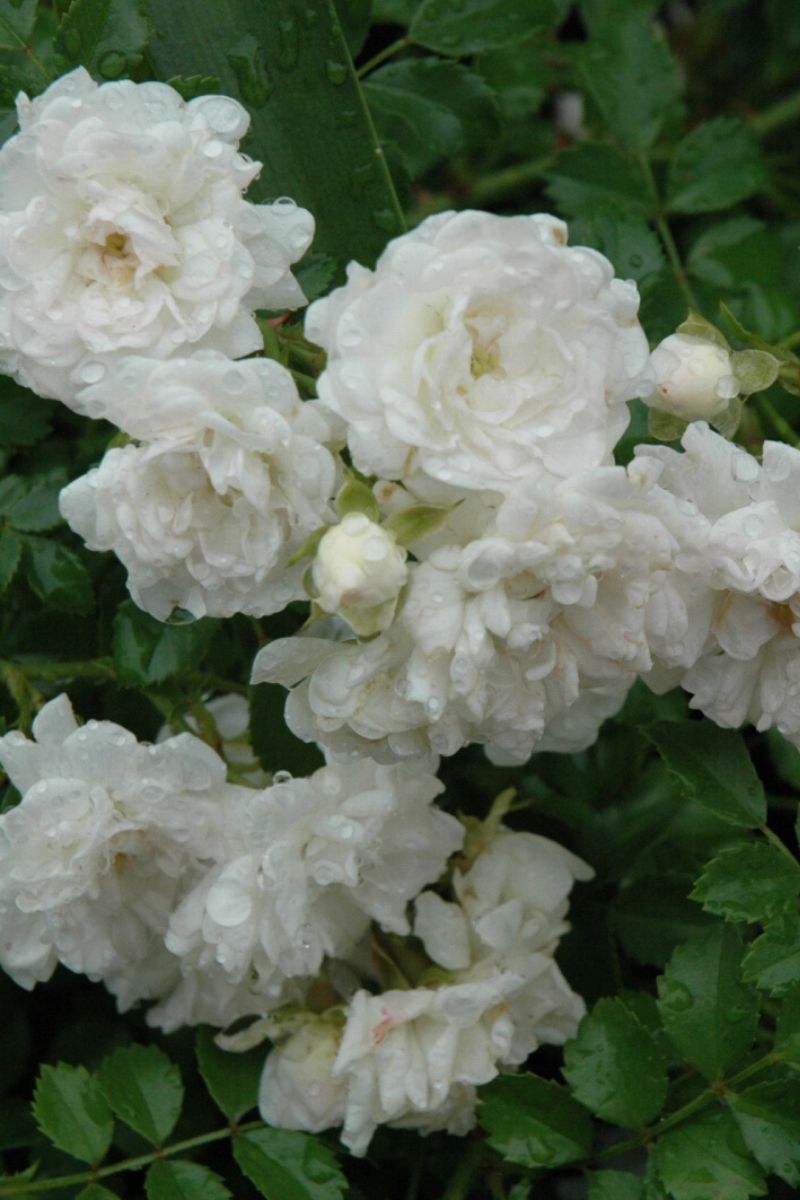
White Drift blankets itself in clouds of small, double white blooms on a low, spreading plant. Part of the easygoing Drift series, it’s perfectly scaled for edging, containers, and the front of the border. Plant it in full sun, where it flowers continuously from spring through fall with excellent disease resistance. The crisp white blossoms resemble tiny old-fashioned roses and pair effortlessly with any color scheme. Self-cleaning and low-maintenance, it needs no deadheading to keep blooming. For carefree white that works anywhere, White Drift is a gem.


Hers Manchurian Lilac features showy panicles of fragrant lavender flowers rising above the foliage in late spring. The flowers are excellent for cutting. It has bluish-green deciduous foliage which emerges coppery-bronze in spring. The small heart-shaped leaves turn an outstanding deep purple in the fall.

Perfect in pots, this exciting dwarf variety produces full-size fruit on a small-sized plant. Features dainty clusters of white bell-shaped flowers with shell pink overtones in mid spring followed by sweet blueberries in mid-summer. Glossy, elongated leaves with red highlights turn yellow and red in the fall. Blueberries require acidic, well-drained soil and full sun for best performance. For heavier clay soils, the addition of soil sulfur helps to lower the pH while shredded pine or pine fines will improve aeration and drainage. While self-pollinating, a different blueberry planted nearby will improve both the fruit size and quantity.

Agincourt Beauty Lilac features showy panicles of fragrant purple flowers rising above the foliage in mid spring, which emerge from distinctive deep purple flower buds. The flowers are excellent for cutting. It has bluish-green deciduous foliage. The heart-shaped leaves do not develop any appreciable fall color.


Big, delightfully fragrant blooms provide the classic romance of roses with the added benefit of disease resistance brought to you by modern breeding. Blush pink blooms form a lovely bud, then slowly unfurl to its full glory. The lush foliage makes these excellent shrubs in the garden. Blooming repeatedly from early spring until first frost, you'll be provided with plenty of roses for bouquets. Deciduous.


President Grevy Lilac features showy panicles of fragrant powder blue flowers rising above the foliage in mid spring, which emerge from distinctive violet flower buds. The flowers are excellent for cutting.


Manhattan Spreading Euonymus is primarily grown for its highly ornamental fruit. It features abundant showy pink capsules from mid to late fall. It has attractive dark green evergreen foliage. The glossy oval leaves are highly ornamental and remain dark green throughout the winter.

Slender Deutzia is clothed in stunning racemes of lightly-scented white trumpet-shaped flowers along the branches from mid to late spring. It has green deciduous foliage. The serrated pointy leaves do not develop any appreciable fall color.

Legacy Blueberry is primarily grown for its highly ornamental fruit. It features an abundance of magnificent blue berries in mid summer. It features dainty clusters of pink bell-shaped flowers with shell pink overtones hanging below the branches in mid spring, which emerge from distinctive red flower buds. It has bluish-green deciduous foliage. The glossy oval leaves turn an outstanding orange in the fall. The smooth tan bark adds an interesting dimension to the landscape.
This plant is primarily grown as an ornamental, but it's also valued for its edible qualities. The round sweet berries are most often used in the following ways:
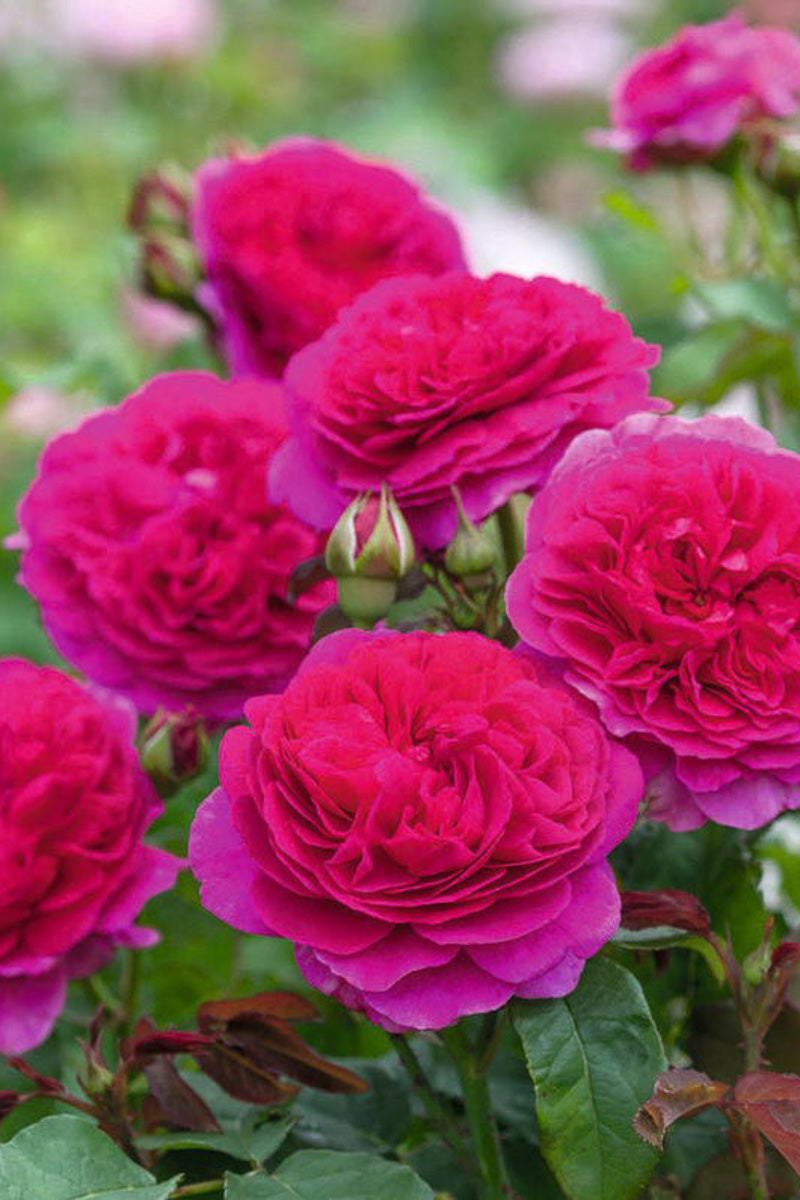

A magnificent variety, bearing medium sized, many petalled rosette blooms. They are a striking shade of deep pink, the outer petals of each bloom paling slightly over time. The beauty of the blooms is enhanced by a wonderful, strong fruity fragrance. A vigorous rose; it forms a very shapely, broad, rounded shrub with mulberry purple stems and dark green foliage, giving the overall impression of richness and abundance. Named after the beloved character in Thomas Hardy’s novel, Far from the Madding Crowd.


FloralBerry™ Rosé St. John's Wort has masses of beautiful yellow buttercup flowers at the ends of the branches from early to mid summer, which are most effective when planted in groupings. The flowers are excellent for cutting. It features an abundance of magnificent pink berries with rose overtones from late summer to mid fall. It has dark green foliage with grayish green undersides. The pointy leaves do not develop any appreciable fall color. The brick red stems can be quite attractive.

Sunseeker Pumpkin Pie Coneflower celebrates the warm tones of autumn with rich, pumpkin-orange petals surrounding a prominent dark center cone that deepens beautifully as the flower matures. Part of the Sunseeker series, it brings compact, self-supporting growth with a generous bloom season stretching from midsummer through fall. The warm orange flowers pair naturally with purple, chocolate, and gold tones in the mixed border, making it a versatile and visually satisfying choice. Deer and rabbit resistant, it draws butterflies and seed-seeking birds throughout the season. A reliably carefree perennial with excellent cold hardiness and disease resistance.