

Fall Lawn Care: The "-eeds of September" for Cool-Season Lawns
After a hot, dry summer, your cool-season lawn may be looking a little tired. The good news? Fall is the best time to bring it back to life. In USDA Zone 5, September is the golden month for rejuvenation, thanks to cooler nights, moderate daytime temperatures, and more consistent rainfall. Grass roots thrive in these conditions, repairing summer damage and preparing for winter.
That’s why I like to call this time of year the “-eeds of September”—the three key lawn-care actions that set the stage for a lush, healthy lawn in the year ahead:
- Feed
- Kill Weeds
- Re-seed
Here’s how and when to tackle each one in September.

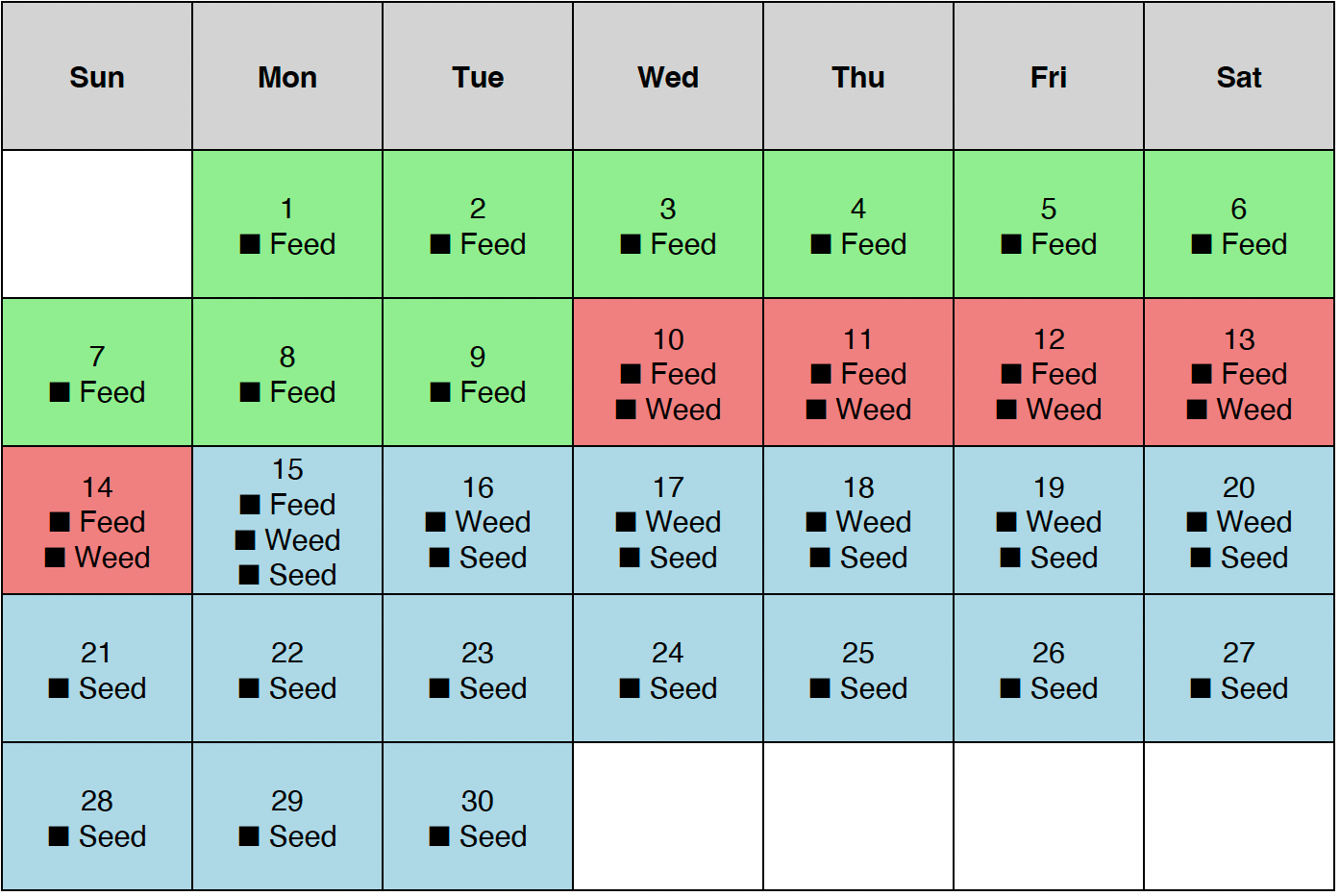
1. Feed (September 1–15)
Early September is the perfect time to give your lawn a slow-release fertilizer tailored for cool-season grasses like Kentucky bluegrass, fine fescue, or perennial ryegrass.
- Fertilizing now helps roots recover from summer stress while promoting thick growth before winter dormancy.
- A balanced fertilizer (with a slightly higher nitrogen content) supports both blade growth and underground root expansion.
- Healthy fall roots mean a quicker green-up when spring arrives.
Pro Tip: Water the lawn after fertilizing to help nutrients soak down to the roots.
2. Kill Weeds (September 10–20)
Broadleaf weeds like dandelion, clover, and plantain often make a strong showing in late summer. Cooler fall weather is an ideal time to control them.
- Apply a selective post-emergent herbicide during mid-September when weeds are still actively growing.
- Fall treatments are more effective than spring applications because weeds store nutrients (and herbicide) in their roots at this time of year.
- Removing weeds now also reduces competition with young grass seedlings from your re-seeding efforts.
3. Re-seed (September 15–30)
As the month winds down, focus on re-seeding thin or bare spots. September’s cooler nights and steady soil warmth create the best germination window for cool-season turf.
- Choose disease-resistant cultivars of Kentucky bluegrass, tall fescue, or perennial ryegrass—these varieties withstand summer stress and reduce long-term disease problems.
- Loosen soil before seeding to ensure good seed-to-soil contact, and keep the top 1 inch of soil consistently moist until seedlings establish.
- Overseeding the entire lawn can thicken turf and crowd out future weeds.
Pro Tip: Cover seeded areas lightly with straw or compost to protect seed and hold moisture.
September Lawn Care Calendar (Zone 5)
Why the "-eeds of September" Matter
The feed, weed, and seed strategy works together to transform a stressed summer lawn into a resilient fall showpiece. Fertilizer restores vigor, weed control clears competition, and seeding ensures a dense, disease-resistant stand of turf for next year.
By following the timing specific to Zone 5—feeding in early September, killing weeds in mid-September, and seeding in late September—you’ll give your lawn the strong foundation it needs to face winter and thrive next spring.
Shop our Lawn Care collection online here.
Share